
 EN
EN
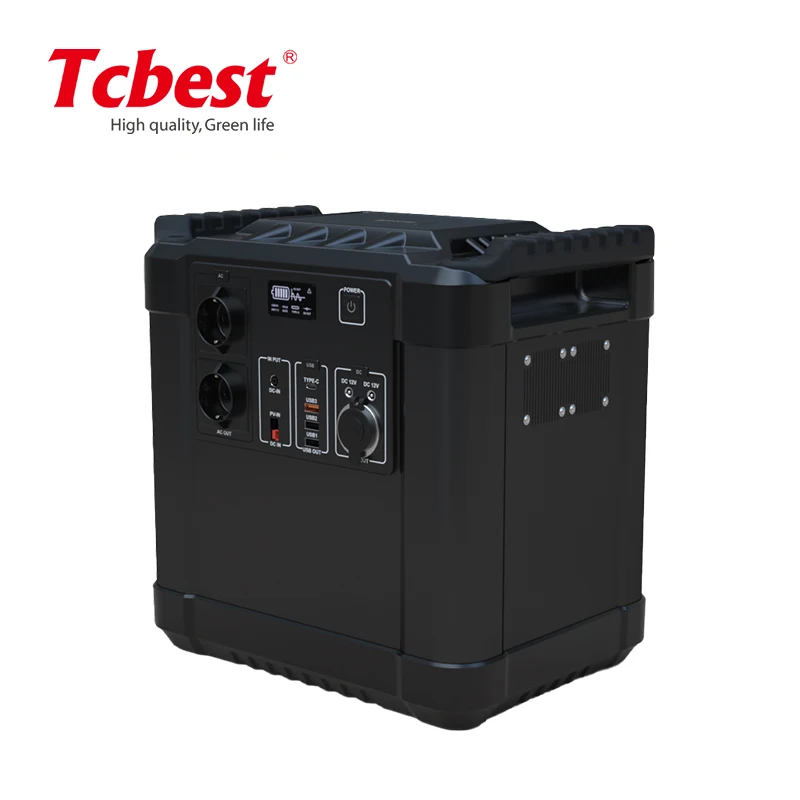
An energy storage battery is only as reliable as the factors governing its performance. Whether powering renewable energy systems, industrial backup power, or portable devices, understanding what influences how an energy storage battery operates is critical for achieving consistent results and maximizing return on investment. Performance degradation, capacity loss, and efficiency decline are costly problems that proper knowledge can help prevent.
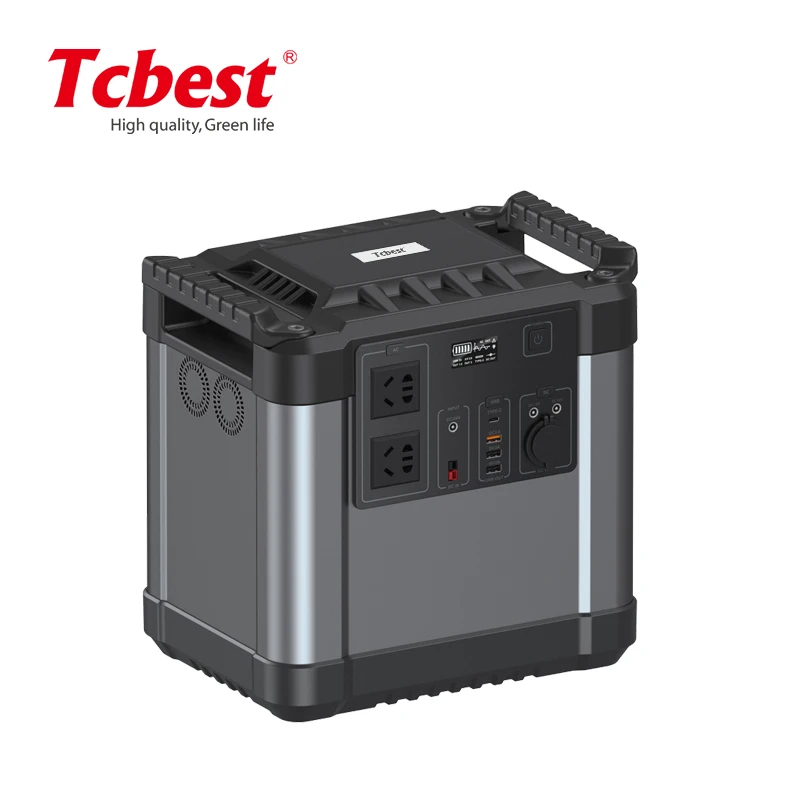
The performance of an energy storage battery depends on multiple interconnected variables that extend far beyond simple chemistry. Temperature fluctuations, charge-discharge cycles, circuit design, material composition, and operational environment all shape how an energy storage battery behaves under real-world conditions. Engineers and facility managers who recognize these factors can design systems that operate safely, efficiently, and predictably over extended periods.
Temperature and Thermal Management
How Temperature Impacts Energy Storage Battery Performance
Temperature stands as one of the most significant factors affecting energy storage battery performance. Cold environments slow chemical reactions inside the battery, reducing available capacity and power output. An energy storage battery operating at freezing temperatures may deliver only 50 percent of its rated capacity compared to room temperature conditions. Conversely, excessive heat accelerates internal chemical degradation, shortening the overall lifespan of the energy storage battery and increasing the risk of thermal runaway in certain chemistries.
Optimal Temperature Range and Cooling Solutions
Most lithium-based energy storage battery systems perform optimally between 15°C and 35°C. Maintaining this range requires proper thermal management infrastructure, including cooling systems, insulation, and ventilation protocols. Industrial applications of energy storage battery systems increasingly incorporate active temperature monitoring and automated cooling to sustain performance during peak demand periods or in harsh climates. Without temperature control, an energy storage battery will experience accelerated capacity fade and reduced cycle life.
Charge-Discharge Cycling and Cycle Life
Understanding Cycle Depth and State of Charge
Every charge and discharge cycle incrementally degrades an energy storage battery, a phenomenon known as cycle aging. The depth of each cycle directly influences how quickly an energy storage battery degrades: shallow cycles stress the battery less than deep discharge cycles. An energy storage battery cycled between 20 and 80 percent state of charge extends its useful life significantly compared to repeated full depth-of-discharge operations. Facility managers configuring energy storage battery systems should design charge controllers to avoid unnecessary full discharges when partial cycling meets operational requirements.
Cycle Rate and Power Demands
The speed at which an energy storage battery charges and discharges influences both performance and longevity. Rapid discharge rates force higher current flow through the battery, generating internal heat and stress that degrades the energy storage battery faster than moderate rates. Commercial energy storage battery installations balance power delivery requirements against cycle life by implementing current limiting and load management strategies. Applications demanding extremely high power density from an energy storage battery must accept shorter cycle life unless advanced thermal and electrical management is added to the system.
Chemistry, Materials, and Internal Resistance
Battery Chemistry Selection for Energy Storage Battery Systems
Different energy storage battery chemistries exhibit distinct performance characteristics suited to different applications. Lithium iron phosphate chemistry offers an energy storage battery solution with excellent cycle life and thermal stability but lower energy density. Nickel-based chemistries provide higher energy density in an energy storage battery but may sacrifice cycle life or require more sophisticated thermal management. The choice of chemistry fundamentally determines the performance envelope within which an energy storage battery operates, making this decision critical during system design.
Internal Resistance and Efficiency Losses
Every energy storage battery possesses internal resistance that converts some electrical energy into unwanted heat during charge and discharge. Higher internal resistance in an energy storage battery reduces overall system efficiency and generates additional thermal stress. As an energy storage battery ages, internal resistance typically increases, explaining why older batteries deliver less power and charge more slowly than new units. Quality materials, proper cell construction, and adequate thermal management all work together to keep internal resistance in an energy storage battery as low as possible throughout its operational life.
Environmental Conditions and Operational Context
Humidity, Vibration, and External Stress Factors
Beyond temperature, environmental conditions significantly influence energy storage battery performance and reliability. High humidity can corrode external terminals and connectors, reducing the electrical connection quality to an energy storage battery. Vibration from machinery or transportation can damage internal battery components and create microscopically fractured electrode interfaces within an energy storage battery. Industrial environments requiring harsh-duty energy storage battery deployments must address these environmental stressors through robust enclosure design, protective materials, and regular maintenance.
State of Health Monitoring and Predictive Maintenance
Modern energy storage battery systems increasingly incorporate state-of-health monitoring to track degradation patterns and predict failure windows. Continuous measurement of voltage, current, and temperature allows facility managers to detect when an energy storage battery approaches end-of-life before performance becomes critically impaired. Predictive maintenance schedules based on energy storage battery health metrics prevent unexpected failures and optimize replacement timing. Investment in monitoring infrastructure for an energy storage battery system often reduces total operating costs despite higher initial capital expenditure.
FAQ
What is the typical lifespan of an energy storage battery?
An energy storage battery lifespan varies by chemistry and usage patterns. Lithium-based energy storage battery systems typically last 10 to 15 years or 5,000 to 10,000 cycles under ideal conditions. Lead-acid energy storage battery solutions may last 3 to 7 years. Operating conditions, temperature management, and cycle depth directly influence whether an energy storage battery reaches its rated lifespan. Proper maintenance and environmental control can extend energy storage battery life significantly beyond minimum specifications.
How does temperature affect energy storage battery capacity?
Temperature directly reduces the available capacity of an energy storage battery through slowed chemical reaction rates in cold conditions and accelerated degradation in excessive heat. A cold energy storage battery at 0°C may deliver only 50 percent of rated capacity compared to 25°C operation. Heat accelerates the aging process, reducing the total cycle count an energy storage battery can endure. Maintaining an energy storage battery within the 15°C to 35°C range preserves both immediate capacity and long-term lifespan. Facilities deploying energy storage battery systems in extreme climates must invest in thermal management to maintain performance.
Can I improve energy storage battery performance through better management?
Yes, intelligent system design and operational management can substantially improve energy storage battery performance and longevity. Implementing partial cycle strategies where an energy storage battery operates between 20 and 80 percent state of charge extends cycle life dramatically. Temperature regulation, avoiding rapid discharge rates, and using quality charge controllers all enhance energy storage battery reliability. Regular monitoring of an energy storage battery system enables early detection of problems and predictive maintenance. The combination of proper chemistry selection, energy storage battery quality components, and disciplined operational practices delivers maximum performance and return on investment.