
 EN
EN
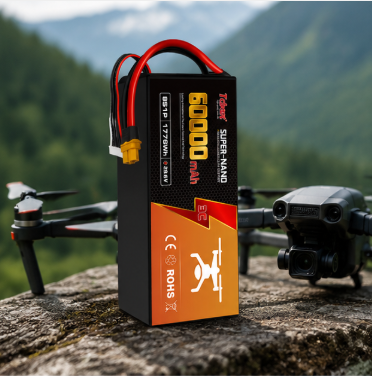
Drone batteries are one of the most important parts of any drone system. Whether you use a drone for photography, FPV racing, industrial inspection, agriculture, or outdoor exploration, battery performance directly affects your flight experience.
A good battery does not only provide longer flight time. It also helps your drone maintain stable power, improves flight safety, and reduces the cost of replacing batteries too frequently.
Many drone batteries today use lithium-based technology, including LiPo, Li-ion, and other advanced battery designs. Like all rechargeable batteries, drone batteries have a limited service life. Every charge, discharge, flight, and exposure to heat will slowly affect battery performance.
However, a battery being a consumable product does not mean it needs to be replaced quickly. With proper charging habits, correct storage methods, and careful daily use, a high-quality drone battery can provide hundreds of reliable charging cycles.
At Tcbest, we believe battery performance is not only determined by battery design but also by how users maintain and use their batteries. Simple habits can make a big difference in extending battery life and keeping every flight safer and more stable.
This guide explains the most practical ways to protect your drone batteries and help them perform better for a longer time.
1. Use New Drone Batteries Carefully During the First Flights
When you receive a new drone battery, it may be tempting to immediately test its maximum performance. However, the first few flights are an important period for understanding how the battery performs.
Modern lithium batteries do not require the old-style “memory effect” training used by some older battery technologies. But this does not mean a new battery should immediately be pushed to its limits.
During the first several flights, avoid:
- Long periods of full-speed flying
- Frequent aggressive acceleration
- Heavy payload operations
- Extremely deep discharges
Instead, start with normal flying conditions and observe the battery performance.
Pay attention to:
- How long the drone can fly
- Whether the battery becomes unusually hot
- Whether the power output remains stable
- Whether the battery voltage drops quickly
A gentle beginning allows you to identify possible problems early. If a new battery shows abnormal heating, swelling, unstable performance, or unusual voltage changes, it is better to stop using it and check the battery condition.
For most users, the first few flights are not about achieving maximum flight time. They are about allowing the battery to operate under normal conditions and ensuring everything works properly.
2. Charge Your Drone Battery in the Right Way
Charging is one of the most important factors affecting battery lifespan.
Many battery problems happen because of incorrect charging methods, unsuitable chargers, or charging under unsafe conditions. A good charging routine can significantly reduce battery stress and help maintain battery performance.
Use the Correct Charger and Settings
Always use a charger that matches your battery type and specifications.
Different drone batteries have different voltage requirements. Selecting the wrong charging mode may damage the battery or reduce its lifespan.
Before charging, always check:
- Battery type
- Cell number
- Charging voltage
- Charger settings
Do not use unknown chargers or incorrect charging programs just because they appear convenient.
Avoid Charging Too Quickly Too Often
Some batteries support fast charging, but charging at the highest possible speed every time is not always the best choice for long-term battery health.
Faster charging usually creates more heat. Repeated high-temperature charging can accelerate battery aging.
For daily use, a moderate charging speed is usually a better balance between convenience and battery lifespan.
If you are preparing for an important flight and need faster charging, make sure:
- The battery is in good condition
- The battery is not hot after flying
- The charger is reliable
- The charging process is monitored
Do Not Charge a Hot Battery
After a flight, drone batteries are often warm. This is normal, especially after high-power operations.
However, charging a hot battery immediately adds more stress to the cells.
Allow the battery to cool naturally before charging. A battery that returns closer to room temperature will charge more safely and experience less chemical stress.
Always Monitor Charging
Never leave a drone battery charging completely unattended.
During charging, pay attention to signs such as:
- Unusual heat
- Swelling
- Strange smell
- Charging errors
- Abnormal voltage differences
Charging in a safe location away from flammable materials is also an important safety habit.
3. Store Your Drone Battery Properly
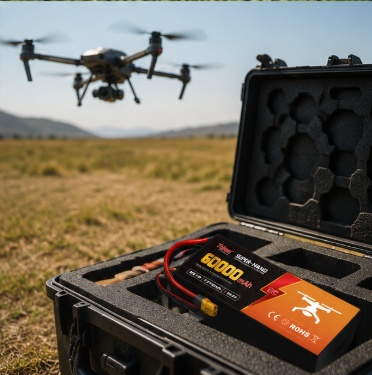
Storage is one of the easiest areas to improve, but it is also one of the most commonly ignored.
Many users finish flying, fully charge their batteries, and leave them ready for the next trip. While this seems convenient, keeping lithium batteries at full charge for a long time can accelerate aging.
For batteries that will not be used for several days or weeks, storage at a moderate charge level is recommended.
Avoid Long-Term Full Charging
A fully charged battery has higher internal stress. When it stays at this condition for a long period, the battery chemistry gradually changes, which may reduce future capacity and performance.
If your flight plan changes after charging, do not leave the battery fully charged for a long time. Adjust it back to a suitable storage level when possible.
Avoid Storing Empty Batteries
Some users believe that storing a battery with very little power is safer. In reality, leaving a lithium battery almost empty for a long time can also cause problems.
A battery may continue losing power slowly during storage. If the voltage becomes too low, permanent damage may occur.
A good habit is to check batteries regularly, especially if they are stored for long periods.
Choose the Right Storage Environment
Where you store your batteries is just as important as how much power they have.
Avoid storing batteries in:
- Direct sunlight
- Hot cars
- Damp environments
- Places with extreme temperature changes
A cool, dry, and protected location is ideal.
For better management, you can also label batteries with:
- Purchase date
- Battery model
- Usage frequency
- Condition
This helps you track battery performance and identify older packs before they become unreliable.
4. Temperature Management: Keep Batteries Away from Extreme Conditions
Temperature has a major impact on drone battery performance.
Both excessive heat and very cold conditions can affect battery operation.
Protect Batteries from Heat
Heat is one of the biggest causes of battery aging.
High temperatures speed up internal chemical reactions and can reduce battery capacity over time.
To protect your battery:
- Do not leave batteries inside a hot vehicle
- Avoid direct sunlight during storage
- Let batteries cool before charging
- Avoid using damaged batteries that become unusually hot
If a battery regularly becomes extremely hot after normal flights, check your drone setup. Possible reasons include excessive load, unsuitable battery selection, or demanding flight conditions.
A properly matched battery should provide stable power without unnecessary overheating.
Flying in Cold Weather
Cold temperatures affect batteries differently.
A cold battery may still contain energy, but it cannot release power as effectively. This can result in shorter flight time and faster voltage drops.
Before flying in cold conditions:
- Keep batteries warm before use
- Store them in an insulated bag
- Avoid charging extremely cold batteries
- Expect shorter flight times
During winter flights, it is also better to land earlier than usual because battery performance can change quickly in low temperatures.
5. Avoid Excessive Discharge
Completely draining a drone battery may seem like the best way to use all available power, but frequent deep discharge can shorten battery life.
During flight, avoid continuing until the battery reaches extremely low levels.
Landing with some remaining power helps reduce stress on the battery cells.
A healthy flying habit is to:
- Monitor battery status during flight
- Follow low-battery warnings
- Avoid unnecessary emergency landings
- Recharge before the battery becomes deeply discharged
This is especially important for professional drone operations where reliability matters.
6. Choose a Battery That Matches Your Drone
Battery maintenance is important, but battery selection also plays a major role.
A battery that does not match your drone requirements may experience unnecessary stress, reduced performance, and shorter service life.
When choosing a drone battery, consider:
Capacity
A higher-capacity battery can provide longer flight time, but it also increases weight.
The best choice is not always the largest battery. It should provide a good balance between flight time and drone efficiency.
Voltage Compatibility
The battery voltage must match the drone system.
Using an unsuitable voltage may affect motor performance and electronic components.
Power Output
A battery should be able to provide enough power for your drone’s requirements.
A poor-quality battery may experience faster voltage drops, especially during high-power flight.
At Tcbest, we focus on providing reliable battery solutions with stable performance, suitable specifications, and consistent quality control for different drone applications.
Whether for consumer drones, FPV platforms, or customized UAV projects, choosing the right battery helps improve flight reliability and battery lifespan.
7. Know When to Replace Your Drone Battery
Even with excellent maintenance, every battery will eventually age.
Using an old or damaged battery can affect flight safety and may cause unexpected problems.
Common signs that a battery may need replacement include:
- Noticeably shorter flight time
- Battery swelling
- Unstable power output
- Excessive heating
- Physical damage
- Slow charging or abnormal charging behavior
A swollen battery should never be ignored. It may indicate internal damage and continued use can create safety risks.
Replacing an aging battery at the right time is much safer than waiting until a problem happens during flight.
8. Simple Battery Care Routine from Tcbest
Taking care of drone batteries does not need to be complicated.
A few simple habits can help extend battery life:
- Check the battery condition before every flight
- Use the correct charger
- Avoid extreme temperatures
- Do not store batteries fully charged for long periods
- Let batteries cool before charging
- Avoid deep discharge
- Keep batteries in a dry and safe place
- Replace damaged batteries promptly
These small steps can help your batteries deliver more stable performance and longer service life.
Conclusion
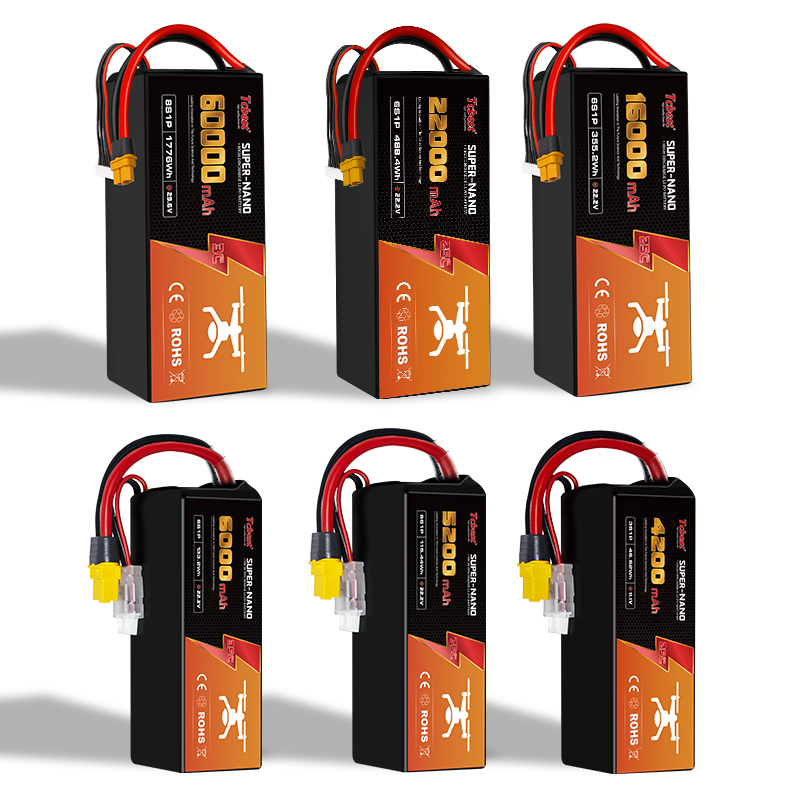
Extending drone battery life is not about using complicated maintenance methods. It is about developing good daily habits.
Proper charging, correct storage, temperature control, careful flying, and choosing a suitable battery all contribute to better battery performance.
A well-maintained battery provides longer flight time, more reliable power, and better value over its lifetime.
With reliable battery technology and proper care, Tcbest helps drone users enjoy safer, longer, and more consistent flights.
Learn how to extend drone battery life with proper charging, storage, temperature control, and flying habits. This guide explains practical tips to reduce battery aging, improve flight safety, and maintain stable performance. Whether for photography, FPV, agriculture, or industrial drones, smart battery care helps achieve longer flight time and better value.
Table of Contents
- 1. Use New Drone Batteries Carefully During the First Flights
- 2. Charge Your Drone Battery in the Right Way
- 3. Store Your Drone Battery Properly
- 4. Temperature Management: Keep Batteries Away from Extreme Conditions
- 5. Avoid Excessive Discharge
- 6. Choose a Battery That Matches Your Drone
- 7. Know When to Replace Your Drone Battery
- 8. Simple Battery Care Routine from Tcbest
- Conclusion