
 EN
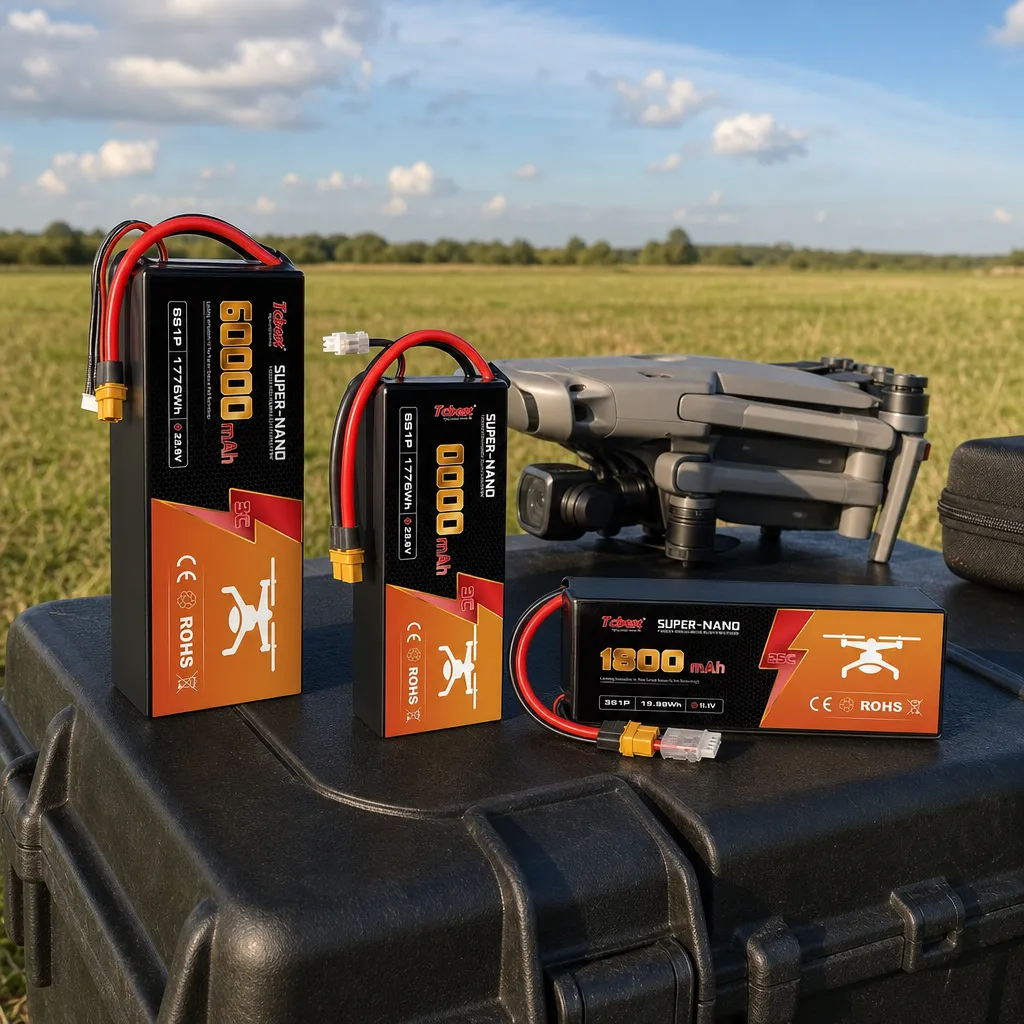
If you fly drones, you likely own multiple lithium batteries. They power your flights and keep your equipment working, but they will age and reach end-of-life eventually. What should you do when a drone battery wears out? Never throw it in the trash, and there are critical reasons why.
This guide walks you through safe, responsible and legal disposal of drone lithium batteries, whether they are aged but healthy, or damaged and hazardous.
1. Never Throw Them in Household Trash
Let’s start with the most important rule: never place drone lithium batteries in household waste or curbside recycling bins. This is not just a recommendation — it is a serious safety concern.
Lithium-ion and LiPo batteries are very different from alkaline batteries you toss into a drawer. They store large amounts of energy in a compact package. If crushed, punctured or short-circuited inside garbage trucks or recycling facilities, they can rapidly overheat and ignite. These fires are notoriously hard to put out and can spread quickly across garbage trucks, recycling plants and landfills.
The US EPA specifically advises sending lithium batteries to dedicated battery recyclers or household hazardous waste programs. These facilities have equipment to manage the risks and recover valuable materials such as lithium, cobalt and nickel. Recycling also keeps toxic chemicals out of the environment, which benefits everyone.
The first rule is simple: keep drone batteries out of trash cans and ordinary recycling bins.
2. Inspect Battery Condition First
Before taking further action, carefully inspect your battery. Not all old batteries are the same; disposal procedures depend on their condition.
2.1 If the battery appears normal
A naturally aged battery may have reduced capacity (shorter flight time), but shows no physical damage. There should be no swelling, leakage, strange odors, abnormal heat or visible damage.
If the battery looks intact, prepare it for disposal following these simple steps:
- Discharge it to a low state of charge if your charger has storage/discharge mode. This reduces stored energy and makes handling safer.
- Do not puncture, crush, bend, open or submerge the battery. Any of these actions may damage internal cells and trigger fire.
- Cover terminals with electrical tape. This prevents positive and negative terminals from touching metal objects and causing short circuits.
- Put each battery individually into a separate plastic bag or LiPo safety bag. Isolating batteries lowers the risk that one failing battery triggers a chain reaction.
EPA recommends taping terminals or bagging batteries separately to reduce fire risk. These steps take only a few minutes but greatly improve safety.
2.2 If the battery is swollen, damaged, hot, leaking or smells abnormal
If your battery shows any of these warning signs, treat it as hazardous. A swollen battery is a clear indicator of internal cell failure. Damaged or overheated batteries may ignite without warning, so handle with extreme caution.
What you should do:
- Stop using it immediately. Do not charge, fly or test it again.
- Move it away from flammable materials, including paper, cardboard, fabric, solvents and any other combustible items.
- Place it inside a fire-resistant container if available: metal ammo boxes, ceramic canisters or dedicated LiPo safety bags can contain fire if thermal runaway occurs.
- Do not charge, discharge, puncture or transport it. Any of these actions may trigger thermal runaway.
- Deliver it to a household hazardous waste facility, or check local waste programs for guidance on damaged lithium batteries. Many programs have special requirements for damaged batteries, and some require special containers for drop-off.
Key point: damaged batteries are not ordinary waste. They are a fire hazard and require professional handling.
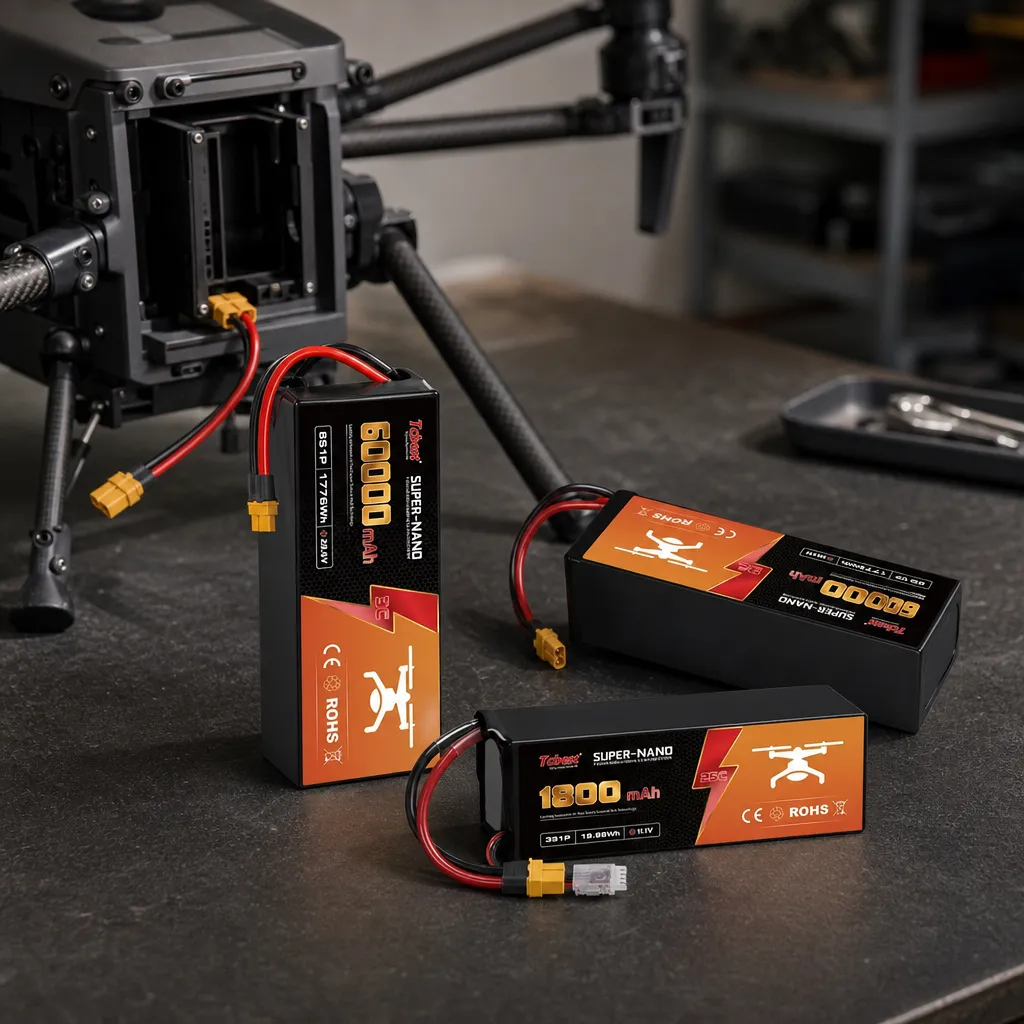
3. Drop Off at Approved Locations
Once prepared — whether it is a healthy old pack or a damaged battery — deliver it to a proper collection point. Here are common available options:
- Household Hazardous Waste Centers: These sites accept hazardous materials including lithium batteries, usually operated by local government or waste management authorities.
- Battery Recycling Drop-off Points: Many cities have dedicated battery collection stations, often located in libraries, hardware stores or community centers.
- E-waste Recycling Facilities: Electronics recyclers accept lithium batteries together with old computers, mobile phones and other electronic devices.
- Drone shops or battery retailers that accept used battery packs: Some hobby stores and battery suppliers run take-back programs for old batteries. Ask next time you visit.
If you live in the Los Angeles area, there is good news. LA residents can use S.A.F.E. centers for free disposal of household hazardous waste and e-waste including lithium-ion batteries. These public facilities are designed exactly for this type of material. Los Angeles County also offers free periodic household hazardous waste and e-waste collection events plus permanent drop-off sites, so there are plenty of safe disposal options.
It is best to call or check the facility website before you go. Some locations have limited opening hours, only accept certain battery types, or impose quantity limits per visit. A quick phone call saves you a wasted trip.
4. Quick Safety Disposal Checklist
Use this simple checklist every time you retire a drone battery:
- Stop using the battery once it wears out or becomes damaged.
- Check for swelling, leakage, heat or damage. This determines your safety level.
- Tape over battery terminals.
- Bag each battery separately, one battery per plastic bag or LiPo safety bag.
- Store temporarily in a cool dry area, away from metals and flammables. Do not leave batteries inside hot vehicles or near heat sources.
- Drop off at a battery recycler or household hazardous waste facility. This is the final and most important step.
Following this checklist only takes a few minutes, but protects you, your family and your community from battery fire risks. It also helps preserve valuable resources.
Why This Matters
Drone lithium batteries are remarkable technology. They pack large energy into a small package — that is exactly why improper handling is dangerous. Every year, fires at recycling plants and garbage trucks are traced back to incorrectly discarded lithium batteries. These fires injure workers, destroy equipment and cause millions of dollars in losses.
By taking time to dispose of batteries correctly, you help prevent these incidents. You also conserve raw materials. Lithium, cobalt and other metals inside batteries are valuable and can be reused. Recycling reduces demand for new mining and lowers the environmental impact of your hobby.
Final Notes
Disposing of drone lithium batteries does not need to be complicated. The core rules are simple: do not throw in trash, inspect condition, prepare safely, and deliver to approved collection sites. There are safe disposal methods for both aged healthy packs and swollen/damaged cells.
If you are unsure, contact your local household hazardous waste program. They handle these items daily and can give you clear practical advice. Next time you replace your drone battery, remember: a few minutes of care can prevent serious accidents. Fly safely, dispose safely.