
 EN
EN

Introduction
Drone batteries are classified as dangerous goods because they contain large amounts of stored energy. Improper packaging can cause short circuits, overheating, fire, or shipping delays. Whether you are shipping a single battery or a large order, following the correct packaging procedures helps ensure safety and compliance with international regulations.
This guide explains the basic rules, packaging methods, labeling requirements, and best practices for shipping drone batteries safely.

Why Safe Packaging Is Important
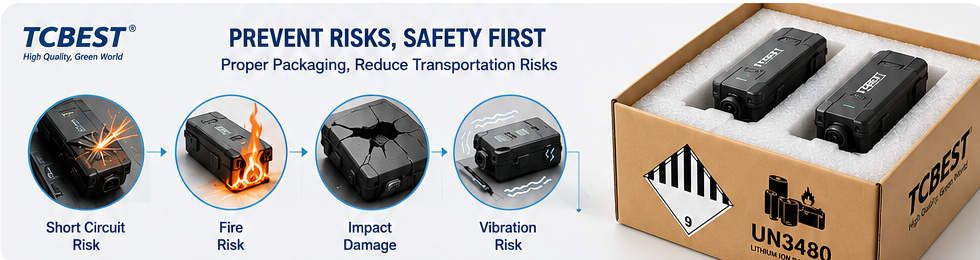
Lithium-ion batteries can become dangerous if they are damaged or short-circuited during transport. Vibration, impacts, pressure, and temperature changes may increase these risks.
Proper packaging helps:
- Prevent short circuits
- Protect batteries from damage
- Reduce fire risks
- Meet shipping regulations
- Avoid shipment delays or penalties
Safe packaging protects both the batteries and everyone involved in transportation.
Understanding Drone Battery Shipping Regulations
Before shipping, identify the battery classification.
UN3480
UN3480 applies to lithium-ion batteries shipped by themselves.
Examples include:
- Spare drone batteries
- Replacement batteries
- Bulk battery shipments
These shipments usually require stricter packaging and documentation.
UN3481
UN3481 applies to batteries installed in equipment or packed with equipment, such as a drone shipped together with its battery.
Requirements are generally less restrictive but still require proper packaging.
Transportation Regulations
Different transport methods follow different regulations.
- IATA – Air transport
- ADR – Road transport
- IMDG Code – Sea transport
Requirements vary depending on battery size, quantity, destination, and transport method.
Choosing the Right Packaging
Proper packaging is essential for safe transportation.
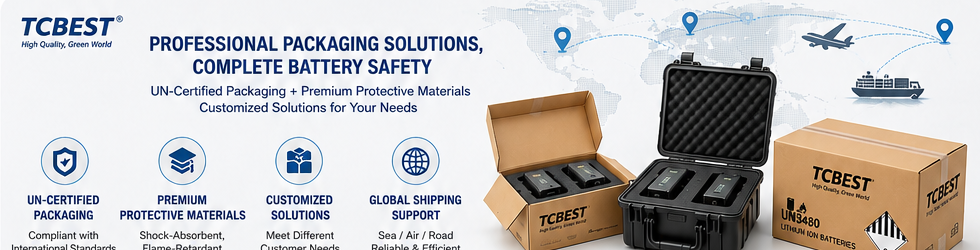
Use UN-Certified Packaging
Choose UN-certified boxes that have passed drop, stacking, and vibration tests.
Use Protective Materials
Good packaging materials should be:
- Flame resistant
- Shock absorbing
- Temperature resistant
Foam inserts, plastic bags, and non-conductive cushioning help prevent battery movement and damage.
Special Applications
Industrial or military batteries may require additional protection, such as moisture resistance, EMI shielding, or climate-controlled packaging.
Step-by-Step Guide to Packing Drone Batteries
Step 1: Inspect the Battery
Do not ship batteries that are swollen, leaking, cracked, or damaged.
Step 2: Reduce the Charge Level
For air transport, batteries should normally be charged to about 30% before shipping.
Step 3: Protect the Terminals
Cover battery terminals with insulating tape or protective caps to prevent short circuits.
Step 4: Package Batteries Individually
Place each battery inside a plastic bag or protective sleeve before packing.
Step 5: Add Cushioning
Use foam or other non-conductive materials to keep batteries secure and prevent movement.
Step 6: Fill Empty Spaces
Fill gaps inside the carton with suitable cushioning materials.
Step 7: Seal the Package
Close and seal the package securely with strong shipping tape.
Documentation and Shipping Labels
Correct paperwork is required for many battery shipments.
Depending on the shipment, you may need:
- Dangerous Goods Declaration
- UN number markings
- Lithium battery labels
- Class 9 hazard labels
Labels should be clearly visible, waterproof, and correctly attached.
International air shipments may also require customs documents or import permits.
Preventing Damage During Transportation
To improve safety:
- Keep battery terminals insulated.
- Avoid contact with metal objects.
- Store batteries in a cool, dry place.
- Protect packages from heavy stacking.
- Never ship damaged batteries.
If a battery becomes damaged, isolate it immediately and seek professional assistance.
Common Shipping Mistakes
Avoid these common errors:
- Using non-certified packaging
- Shipping fully charged batteries
- Leaving terminals uncovered
- Packing batteries without separation
- Missing or incorrect labels
- Incomplete documentation
Following the correct procedures reduces safety risks and shipping delays.
Frequently Asked Questions
Can damaged batteries be shipped?
No. Damaged batteries require special handling and should not be shipped through normal transportation channels.
Can multiple batteries be packed together?
Yes, if each battery is individually protected and properly cushioned.
What is the difference between UN3480 and UN3481?
UN3480 is for batteries shipped separately.
UN3481 is for batteries installed in or packed with equipment.
Do staff need training?
Yes. Personnel handling lithium battery shipments should receive appropriate dangerous goods training and keep their certification up to date.
Packaging Process
Professional battery packaging usually follows three stages:
1. Assessment
Evaluate battery specifications, transport method, and shipping requirements.
2. Packaging Concept
Select a standard or custom packaging solution based on the shipment.
3. Design and Testing
Develop the package, build prototypes, and verify performance through transport testing.
Conclusion
Shipping drone batteries safely requires proper packaging, correct documentation, and compliance with international regulations. Using UN-certified packaging, insulating battery terminals, applying the correct labels, and following transportation rules can significantly reduce risks during transit.
Whether shipping a single battery or large commercial orders, following these best practices helps ensure safe, efficient, and compliant transportation.
Learn how to safely pack drone batteries for shipping with this practical guide. Discover international regulations, UN3480 and UN3481 classifications, proper packaging methods, labeling requirements, and essential safety tips to ensure compliant, secure, and damage-free transportation by air, road, or sea.
Table of Contents
- Introduction
- Why Safe Packaging Is Important
- Understanding Drone Battery Shipping Regulations
- Choosing the Right Packaging
- Step-by-Step Guide to Packing Drone Batteries
- Documentation and Shipping Labels
- Preventing Damage During Transportation
- Common Shipping Mistakes
- Frequently Asked Questions
- Packaging Process
- Conclusion