
 EN
EN
Introduction
Drone batteries are the heart of every unmanned aerial vehicle (UAV). They supply the energy needed for flight and directly affect flight time, payload capacity, overall performance, and operational safety. Whether you use a drone for aerial photography, agriculture, surveying, inspections, or recreational flying, selecting the right battery is one of the most important decisions you can make. A well-matched battery not only improves flight efficiency but also extends the service life of both the battery and the drone.
Today, most drones are powered by lithium-based batteries because they provide an excellent combination of lightweight construction, high energy density, and reliable power output. However, different lithium battery technologies offer different advantages. Understanding the characteristics of each battery type, along with key specifications such as capacity, voltage, and discharge rate, allows pilots and manufacturers to choose the most suitable battery for their applications. This guide explains the major types of drone batteries, how battery performance is measured, how flight time is estimated, and the best practices for battery safety and maintenance.
Part 1: Understanding Drone Batteries
1. Types of Drone Batteries
1.1 Lithium Polymer Batteries (LiPo)
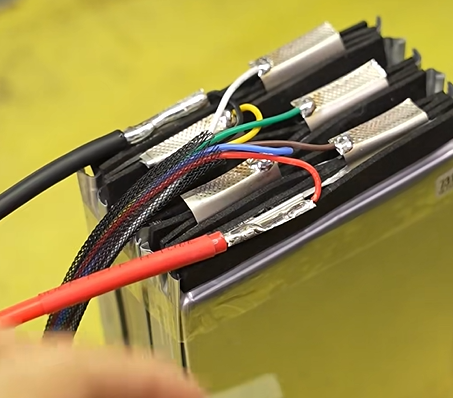
Lithium Polymer batteries, commonly called LiPo batteries, are the most widely used batteries in modern drones. Their lightweight design and excellent discharge capability make them ideal for applications that require strong and immediate power delivery. Because LiPo batteries can be manufactured in different shapes and sizes, they offer greater flexibility for drone manufacturers when designing compact and lightweight aircraft.
One of the biggest advantages of LiPo batteries is their ability to deliver high current almost instantly. Batteries with discharge ratings such as 40C, 50C, or 70C can easily meet the demands of powerful brushless motors, allowing drones to accelerate quickly and maintain stable performance during aggressive maneuvers. This makes LiPo batteries the preferred choice for FPV racing drones, aerial photography drones, agricultural UAVs, and many industrial platforms.
Despite their excellent performance, LiPo batteries require proper care. They should always be charged with a compatible balance charger, protected from overcharging and deep discharge, and stored at the recommended voltage when not in use for extended periods. Proper maintenance significantly improves battery life while reducing potential safety risks.
1.2 Lithium-ion Batteries (Li-ion)
Lithium-ion batteries are designed to provide longer endurance and greater energy efficiency than LiPo batteries. Their higher energy density allows drones to remain airborne for longer periods while using batteries of similar size and weight. As a result, Li-ion batteries have become increasingly popular for long-range flights and commercial drone operations where endurance is more important than rapid acceleration.
Another important advantage of Li-ion batteries is their longer service life. They generally support more charging cycles before noticeable capacity loss occurs, making them a cost-effective solution for frequent drone operators. Their lower self-discharge rate also allows them to retain stored energy more effectively during long-term storage.
However, Li-ion batteries cannot provide extremely high discharge currents like LiPo batteries. Because of this limitation, they are not the ideal choice for racing drones or aircraft that require sudden bursts of power. Instead, they are commonly found in consumer camera drones, mapping drones, surveying UAVs, and inspection platforms that prioritize flight time over maximum speed.
1.3 Lithium Iron Phosphate Batteries (LiFePO4)
Lithium Iron Phosphate batteries, also known as LiFePO4 batteries, are recognized for their exceptional safety and durability. Compared with other lithium battery chemistries, they are much more resistant to overheating and thermal runaway, making them an attractive option for applications where reliability is critical.
LiFePO4 batteries also offer an extremely long cycle life. Under proper operating conditions, they can often provide several times more charging cycles than conventional lithium batteries. Their stable chemical structure allows them to withstand repeated charging and discharging while maintaining consistent performance over many years.
The main drawback of LiFePO4 batteries is their relatively low energy density. They are heavier than LiPo and Li-ion batteries with similar capacities, which limits their use in lightweight consumer drones. Nevertheless, they remain an excellent choice for industrial UAVs, emergency response drones, security systems, and other professional applications where safety is the highest priority.
2. Drone Battery Performance Metrics
Understanding battery specifications helps drone users compare different batteries and select the most appropriate power source for their aircraft.
2.1 Capacity (mAh / Ah)
Battery capacity indicates how much electrical energy a battery can store and is usually measured in milliamp-hours (mAh) or amp-hours (Ah). In general, a battery with a higher capacity can power a drone for a longer period of time. However, increasing capacity also increases battery weight. Since heavier batteries require more power to keep the drone airborne, choosing the largest battery does not always result in the longest flight time. Finding the right balance between capacity and weight is essential for achieving the best overall performance.
2.2 Voltage (V)
Voltage determines the amount of electrical power supplied to the drone's motors and electronic systems. Drone batteries are typically made by connecting multiple lithium cells in series. Common battery configurations include 2S (7.4V), 3S (11.1V), 4S (14.8V), 6S (22.2V), and larger systems reaching up to 18S (66.6V). Higher-voltage systems generally improve efficiency because they can deliver the required power while drawing less current, reducing heat generation and energy loss.
2.3 C Rating
The C rating measures how quickly a battery can safely discharge its stored energy. A higher C rating allows the battery to deliver more current to the motors, providing stronger acceleration and improved climbing performance. High-performance drones usually require batteries with higher C ratings, while consumer drones that fly at moderate speeds often operate efficiently with lower discharge rates. Selecting a battery with an appropriate C rating helps maintain stable voltage during demanding flight conditions.
2.4 Charge Cycle
A charge cycle refers to one complete discharge and recharge of a battery. Over time, every lithium battery gradually loses capacity because of normal chemical aging. Most drone batteries can provide approximately 300 to 500 charging cycles before their usable capacity begins to decline noticeably. Proper charging habits, moderate operating temperatures, and correct storage conditions can significantly extend battery life.
2.5 Battery Efficiency
No battery system converts all stored energy into useful power. Some energy is naturally lost as heat because of internal resistance and electronic components within the drone. Most modern drone battery systems operate with an efficiency of approximately 80 to 90 percent. Considering battery efficiency provides a more realistic estimate of actual flight time under normal operating conditions.
2.6 Drone Power Consumption
A drone's total power consumption depends on several factors, including its motors, flight controller, camera, GPS, video transmission system, and any additional payload. Larger drones carrying heavy equipment naturally consume more power than lightweight recreational models. Manufacturers often publish average power consumption figures, and more accurate measurements can be obtained using specialized testing equipment such as wattmeters.
3. Calculating Drone Flight Time
Estimating flight time helps drone operators prepare for missions and manage battery usage more effectively. A commonly used formula calculates flight time based on battery capacity, battery voltage, system efficiency, and average power consumption.
For example, a drone equipped with a 5000mAh (5Ah) battery operating at 14.8V with an average efficiency of 85 percent and consuming approximately 150 watts of power can achieve an estimated flight time of around 25 minutes. Although this calculation provides a useful guideline, actual flight time varies depending on flying style, weather conditions, payload weight, and battery health.
Strong winds require motors to work harder, reducing endurance. Carrying heavier cameras or sensors also increases energy consumption. Cold weather lowers battery efficiency, while aggressive flying and frequent rapid acceleration consume power much faster than smooth, steady flight. For both safety and battery longevity, most manufacturers recommend landing with at least 20 percent battery capacity remaining instead of completely discharging the battery.
4. Battery Safety and Risks
Safe battery handling is essential for both protecting your equipment and ensuring safe flight operations. Most battery failures result from improper charging, poor storage practices, or physical damage rather than manufacturing defects.
Overheating
Overheating is one of the most common battery problems. It may occur because of excessive discharge current, charging immediately after flight, high ambient temperatures, or overcharging. Excessive heat accelerates battery aging and, in severe cases, may lead to thermal runaway. Allowing batteries to cool naturally before charging and operating them within the recommended temperature range helps reduce this risk.
Battery Swelling
Battery swelling usually indicates that the internal cells have been damaged or degraded. Overcharging, deep discharge, physical impact, or prolonged exposure to high temperatures may all cause a battery to swell. A swollen battery should never be used for flight because it may fail unexpectedly or become a safety hazard. Replacing damaged batteries promptly is the safest option.
Improper Battery Use
Using the wrong charger, storing batteries fully charged for long periods, exposing them to moisture, or allowing them to discharge below the recommended voltage can all shorten battery life. Regularly inspecting batteries before each flight, storing them in a cool and dry location, and following the manufacturer's charging instructions are simple practices that greatly improve both performance and safety.
Part 2: Custom Drone Batteries
Steps to Obtain Custom Drone Batteries
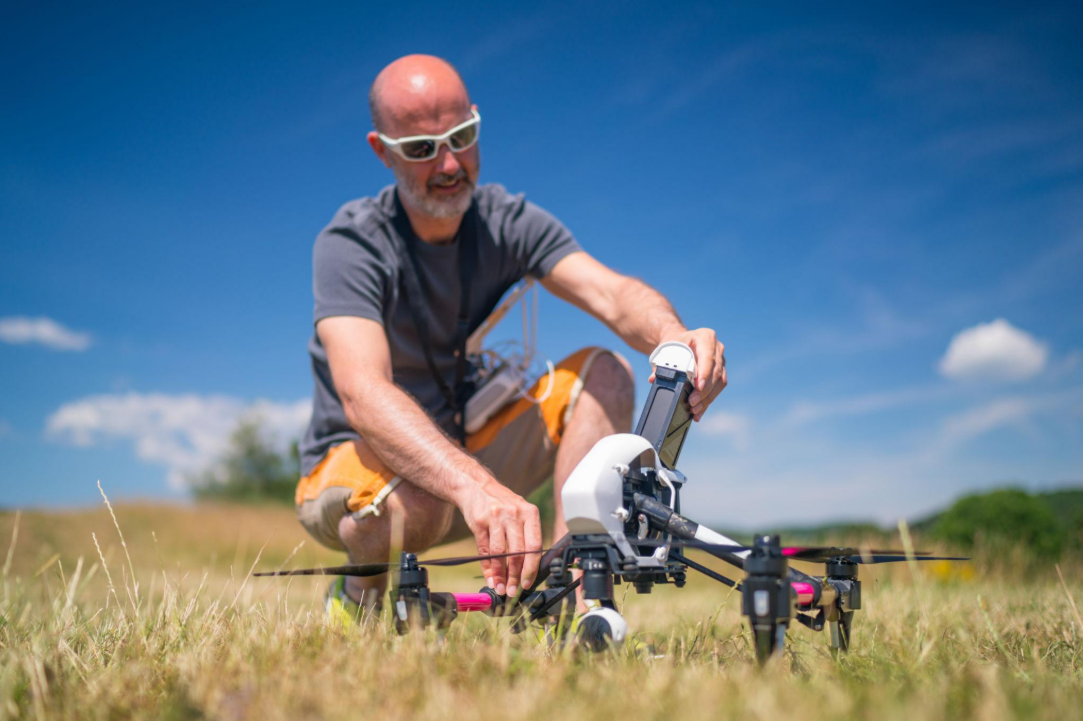
As drone technology continues to develop, many manufacturers and commercial operators require battery solutions that standard products cannot provide. Custom drone batteries are designed to meet specific performance requirements, allowing aircraft to achieve longer flight times, improved efficiency, or unique installation dimensions.
The first step in developing a custom battery is determining the required capacity, operating voltage, physical dimensions, and weight limitations. These factors must match the drone's motor system and available installation space while maintaining proper weight distribution for stable flight.
Connector selection is another important consideration. The battery must use connectors that are compatible with the drone's electrical system and capable of handling the expected current safely. In addition, many custom battery packs integrate advanced protection features such as Battery Management Systems (BMS), cell balancing, overcharge protection, over-discharge protection, temperature monitoring, and short-circuit protection. Working with an experienced battery manufacturer helps ensure the battery meets both performance expectations and international safety standards.
Part 3: FAQ
Can I use a third-party charger for my drone battery?
A third-party charger can be used if it is fully compatible with the battery's chemistry, voltage, cell count, and charging specifications. High-quality balance chargers designed for lithium batteries are generally recommended because they charge each cell evenly and help improve battery safety.
Can drone batteries be carried on airplanes?
Most airlines allow lithium batteries under 100Wh to be carried in hand luggage, although regulations vary by country and airline. Spare batteries should be properly protected against short circuits, and passengers should always check the latest airline policies before traveling.
Why does drone battery capacity decrease over time?
Battery capacity naturally declines as the battery ages. Repeated charging cycles, exposure to high temperatures, overcharging, deep discharge, and improper storage all contribute to capacity loss. Following proper charging and storage practices can significantly slow this aging process.
How does drone battery discharge work?
A typical LiPo battery has a nominal voltage of approximately 3.7 volts per cell and reaches 4.2 volts per cell when fully charged. During flight, battery voltage decreases gradually before dropping more rapidly near the end of the discharge cycle. To protect battery health and ensure safe operation, pilots should avoid completely draining the battery and land before the remaining capacity becomes critically low.
Learn about drone battery types, key performance metrics, flight time calculations, safety tips, and custom battery solutions to improve drone performance and extend battery life.
Table of Contents
- Introduction
- Part 1: Understanding Drone Batteries
- 1. Types of Drone Batteries
- 2. Drone Battery Performance Metrics
- 3. Calculating Drone Flight Time
- 4. Battery Safety and Risks
- Part 2: Custom Drone Batteries
- Steps to Obtain Custom Drone Batteries
- Part 3: FAQ
- Can I use a third-party charger for my drone battery?
- Can drone batteries be carried on airplanes?
- Why does drone battery capacity decrease over time?
- How does drone battery discharge work?