
 EN
EN
Drone batteries determine flight time and overall performance, making them one of the most critical components of the flight experience. Understanding battery type, lifespan, and related factors helps in better planning flight missions and extending usage time.
So what are drone batteries?
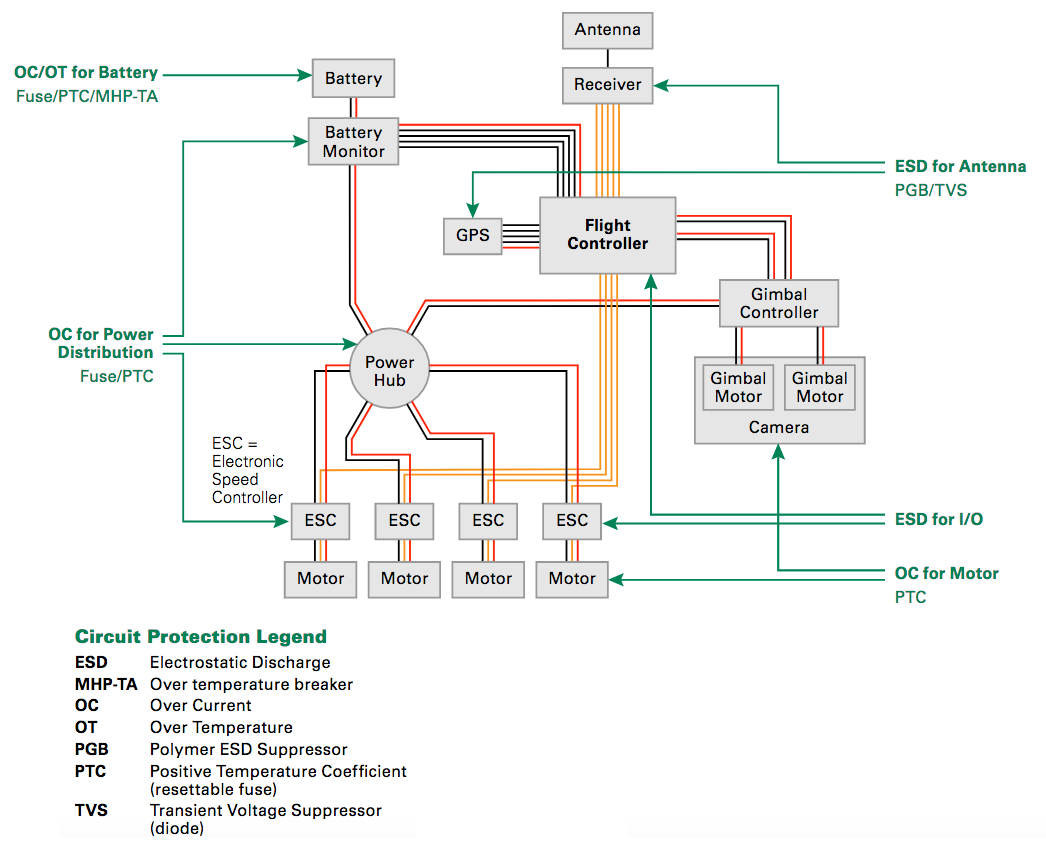
Drone batteries power motors, control systems, sensors, and flight controllers, serving as the core energy source for drone flight. The following are types of batteries used in drones:
Lithium polymer (LiPo) – Lightweight, high discharge rate, widely used in multi-rotor drones.
Lithium-ion (Li-ion) – High energy density, long cycle life.
Ni-Cd (Ni-Cd)/Ni-MH (NiMH) – Less commonly used in modern drones, lower energy density.
How to Choose the Right Battery
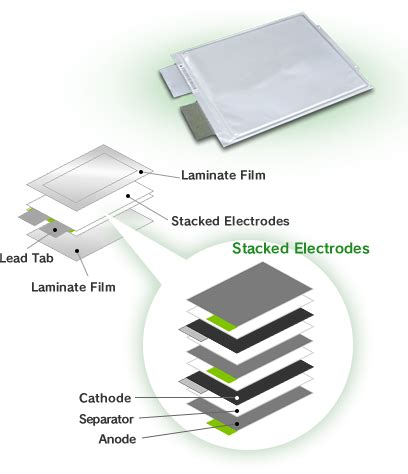
When choosing a drone battery, consider:
Size and weight (directly affects flight efficiency)
Capacity (mAh) and voltage (V)
Discharge rate (C value)
Connector type and compatibility
Brand and quality
These factors all affect flight time and battery life.
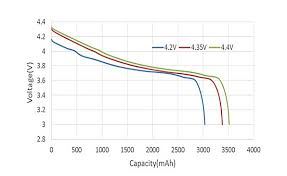
Battery Life and Flight Time
The approximate flight time for different types of drone batteries is as follows:
Drone Type Single Flight Time
Toy/Mini 5 – 15 min
Civilian Aerial Photography Drone 15 – 30 min
Professional Drone 45 – 60 min
Industrial Drone 1 – 2 h
In addition, drone batteries are also measured by charge-discharge cycles, typically 300 – 500 cycles.
Factors Affecting Battery Life
The following factors affect battery life and flight time:
Temperature: High/low temperatures reduce battery performance and cycle life.
Capacity and Weight: Higher capacity usually means longer flight time, but may also mean greater weight.
Flight Style: Rapid maneuvers consume more power.
Flight Environment: Strong winds, low temperatures, etc., accelerate battery degradation.
Applications Requiring Long Flight Endurance
Long battery life is particularly important for the following tasks:
Search and rescue and emergency response
Mapping and surveying
Agricultural monitoring and spraying
Logistics and transportation
Film shooting and live streaming
Environmental/wildlife research
Maritime patrol and traffic monitoring
These applications typically require higher capacity or multiple battery combinations to extend flight time.
⚙️ How to Extend Battery Life
Practical methods to improve battery life include:
✅ Reducing drone payload
✅ Preparing spare batteries
✅ Using power-saving modes
✅ Avoiding extreme temperatures
✅ Proper charging and storage methods
✅ Avoiding over-discharge
Drone Battery Health Management
Regularly checking battery status, using battery testing equipment, and avoiding overcharging or deep discharging help maintain battery health and stable performance.
Drones with good flight endurance (examples)
DJI Matrice 350 RTK series: Approximately 55-60 minutes of flight time.
High-end industrial/fixed-wing drones can achieve even longer flight times (several hours).
Conclusion
Drone battery life and flight time are affected by multiple factors, including type, usage, and environment. Understanding these factors and taking appropriate maintenance measures can maximize flight efficiency and battery life.