
 EN
EN
Building your own drone is a fun and practical project that combines skills in electronics, circuitry, and flight control. This article aims to help beginners master the key fundamentals needed to build their own drones, while also referencing drone building courses to provide a clear learning path.
Basic Tools List
Before starting to assemble your drone, prepare the following basic tools:
Soldering iron and solder — for soldering electronic connectors.
Auxiliary clamps (optional) — for securing small parts during soldering.
Multimeter (optional) — for measuring voltage and continuity, helping to troubleshoot circuit problems.
Double-sided tape & Velcro — for securing electronic components to the frame.
Cable ties — for organizing wires and securing parts.
Heat shrink tubing or electrical tape — for protecting exposed wires and preventing short circuits.
Basic Drone Components
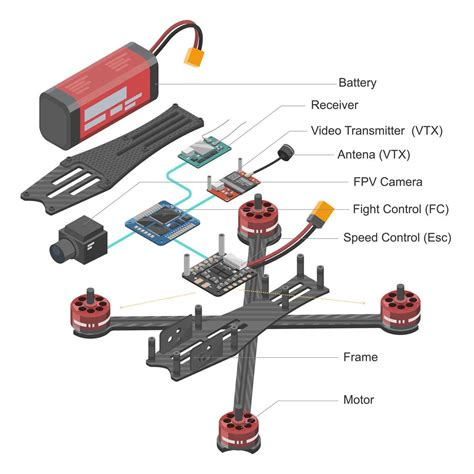
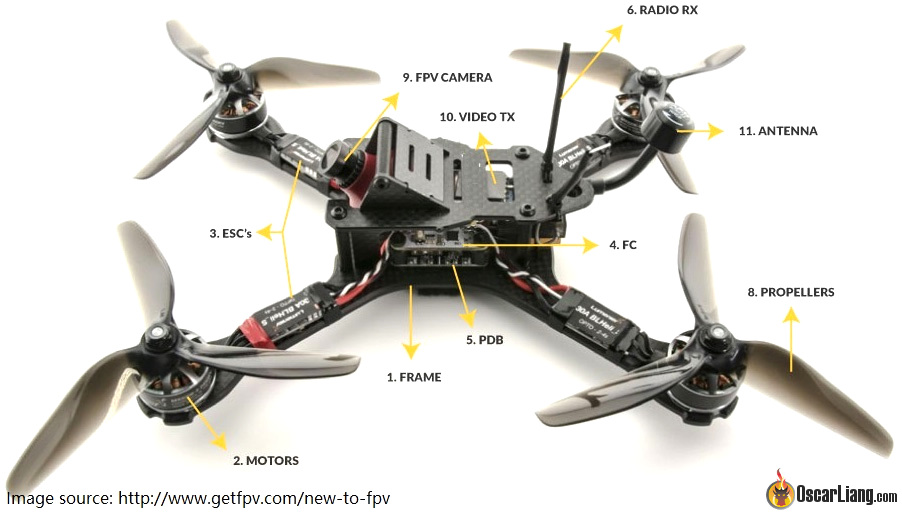
Each home made drone typically consists of the following core components:
Frame
The frame is the skeleton of the drone, supporting all components and determining the size and weight of the aircraft. Alibaba Cloud Developer Community
Motors
Brushless motors are commonly used in drones. They are more durable and efficient than brushed motors. The KV value (speed per volt) is an important selection metric.
Propellers
Propeller size and pitch affect thrust and flight performance, so selection must be tailored to the motor.
Electronic Speed Controller (ESC)
The ESC controls motor speed based on flight control signals and is a crucial bridge connecting the motor and power supply.
Lithium Polymer Battery (LiPo)
LiPo batteries are widely used in drones due to their high energy density. Selection should consider the voltage rating (S) and capacity (mAh).
Power Distribution Board (PDB)
The PDB distributes battery power to all ESC and other electronic components, making it the core node of the power system.
Flight Controller
The flight controller is the "brain" of the drone, responsible for receiving signals from sensors and the remote controller and maintaining flight stability.
GPS Module
Drones with GPS functionality can achieve more stable positioning and intelligent flight modes.
Remote Controller & Remote Receiver
Manual control is achieved via the remote controller. The number of channels determines control precision and functionality.
Telemetry Module
The telemetry module transmits drone flight data to a ground control station or display device in real time.
How to Choose the Right Components
Understanding Thrust-to-Weight Ratio
The thrust-to-weight ratio is a core performance indicator for drones. It is generally recommended that the total thrust be at least twice the total weight for more stable flight.
Estimating Thrust-to-Weight Ratio and Overall Weight
First, estimate the total weight of the frame and all components. Then, consult the thrust data for the motor and propeller combination to ensure the design meets the target thrust-to-weight ratio.
Using Manufacturer Thrust Charts for Selection
Most motor manufacturers provide thrust test charts, which can be used to select the appropriate component combination for your model.
Drone Assembly Steps
Component Soldering and Installation
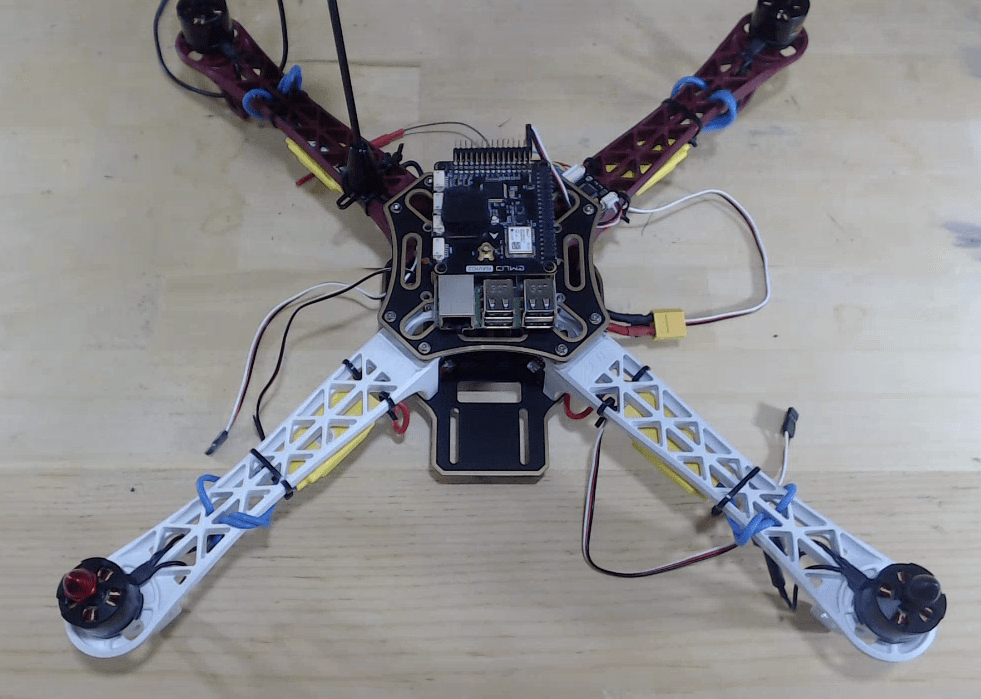
Solder the motors, ESC, and battery connectors in the design sequence and secure them to the frame.
Motor Placement and Testing
According to the drone's design (e.g., X-type or cross-type), correctly install the motors and test motor rotation and response without the propellers installed.
Securing Components
Use double-sided tape, Velcro, and cable ties to secure the flight controller, ESC, GPS, etc., to suitable positions on the frame, keeping cables neat.
Final Calibration and Test Flight
After installation, calibrate the flight controller and ESC, check the remote controller channels, and then perform the first hover test.
Recommended Supplementary Resources
To further enhance your skills, you can refer to these advanced resources:
DIY Drone Building Course — Systematic Learning of Component Selection, Assembly, and Debugging