
 EN
EN
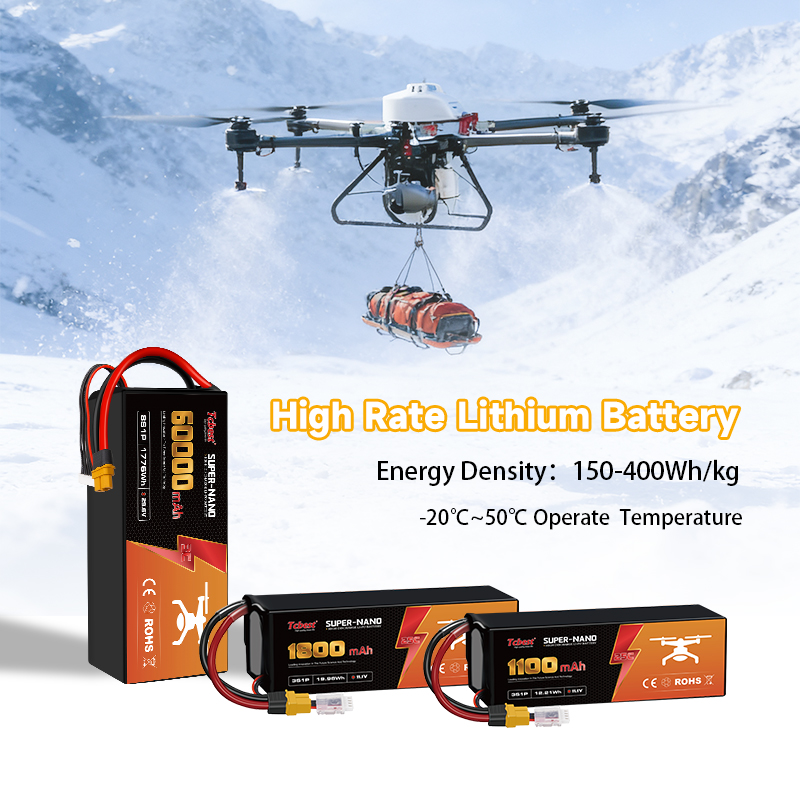
Drone battery life is one of the most common concerns among drone users. Whether you are using a drone for aerial photography, mapping, inspection, agriculture, or recreational flying, battery performance directly affects the overall flight experience.
Many pilots experience a frustrating difference between the advertised flight time and real-world performance. A drone may be advertised to fly for 30 minutes, but during normal use, the actual flight time may only reach 20–25 minutes or even less. This difference often leads users to wonder whether there is something wrong with their drone battery.
In most cases, a shorter flight time does not necessarily mean the battery is defective. The flight duration advertised by manufacturers is usually measured under ideal laboratory conditions, including moderate temperature, low wind, minimal payload, and smooth flying behavior. Real-world conditions are much more complicated.
Actual drone battery performance depends on many factors, including flying style, weather conditions, battery age, payload weight, wind speed, charging habits, and battery maintenance.
Understanding why drone batteries drain quickly allows pilots to improve flight performance, avoid unexpected low-battery warnings, protect their equipment, and extend battery lifespan. For users looking for reliable drone power solutions, brands such as Tcbest focus on providing stable and efficient battery products designed for demanding applications.
1. Aggressive Flying Style Drains Drone Batteries Faster
One of the biggest reasons why drone batteries die quickly is the way the drone is operated. The motors are the main components responsible for keeping the drone airborne, and every movement requires energy from the battery.
When a pilot frequently uses rapid acceleration, sudden braking, sharp turns, fast climbing, or maximum-speed flight, the motors must draw more current from the battery. This increased power demand causes the battery to discharge much faster.
A smooth and controlled flying style can significantly improve flight time. Instead of constantly changing speed and direction, experienced pilots usually maintain steady movements and avoid unnecessary power consumption.
High-Speed Flight Uses More Battery Power
Flying at maximum speed may provide an exciting experience, but it requires much more energy compared with slow and stable movement.
When a drone flies at high speed, air resistance increases significantly. The motors need to generate more thrust to overcome this resistance and maintain speed. As a result, the battery provides a higher current output, causing faster energy loss.
For pilots who want longer flight times, it is better to avoid unnecessary high-speed operation. Smooth acceleration, gentle turns, and planned flight paths can help reduce motor workload and improve battery efficiency.
Sport Mode Can Reduce Flight Time
Many modern drones include different flight modes designed for different applications. Sport mode is usually created for maximum speed and quick response, making it popular among experienced pilots.
However, sport mode also increases battery consumption because:
- Motors operate at higher power levels.
- Acceleration becomes more aggressive.
- The drone reacts faster to control inputs.
- Current demand from the battery increases.
For professional applications such as photography, surveying, inspection, and mapping, normal mode or cinematic mode is often a better choice because it provides smoother operation and longer flight duration.
Excessive Hovering Also Consumes Energy
Some users believe hovering consumes very little power because the drone is not moving forward. However, maintaining a stable position requires continuous adjustments from the flight controller.
During hovering, the drone constantly adjusts motor speed to compensate for:
- Wind movement
- Small position changes
- Drone vibration
- Air pressure changes
- Sensor corrections
These small adjustments may seem insignificant, but they continuously consume battery power.
Reducing unnecessary hovering time and planning shots before takeoff can help preserve energy and extend flight time.
2. Cold Weather Is a Major Cause of Fast Drone Battery Drain
Temperature has a major impact on drone battery performance. Most modern drones use lithium-ion or lithium polymer battery technology because these batteries provide high energy density, lightweight construction, and strong power output.
However, lithium batteries are sensitive to extremely cold conditions.
When temperatures drop, the chemical reactions inside the battery slow down. This increases internal resistance and reduces the battery’s ability to deliver power efficiently.
Why Do Drone Batteries Lose Power in Cold Weather?
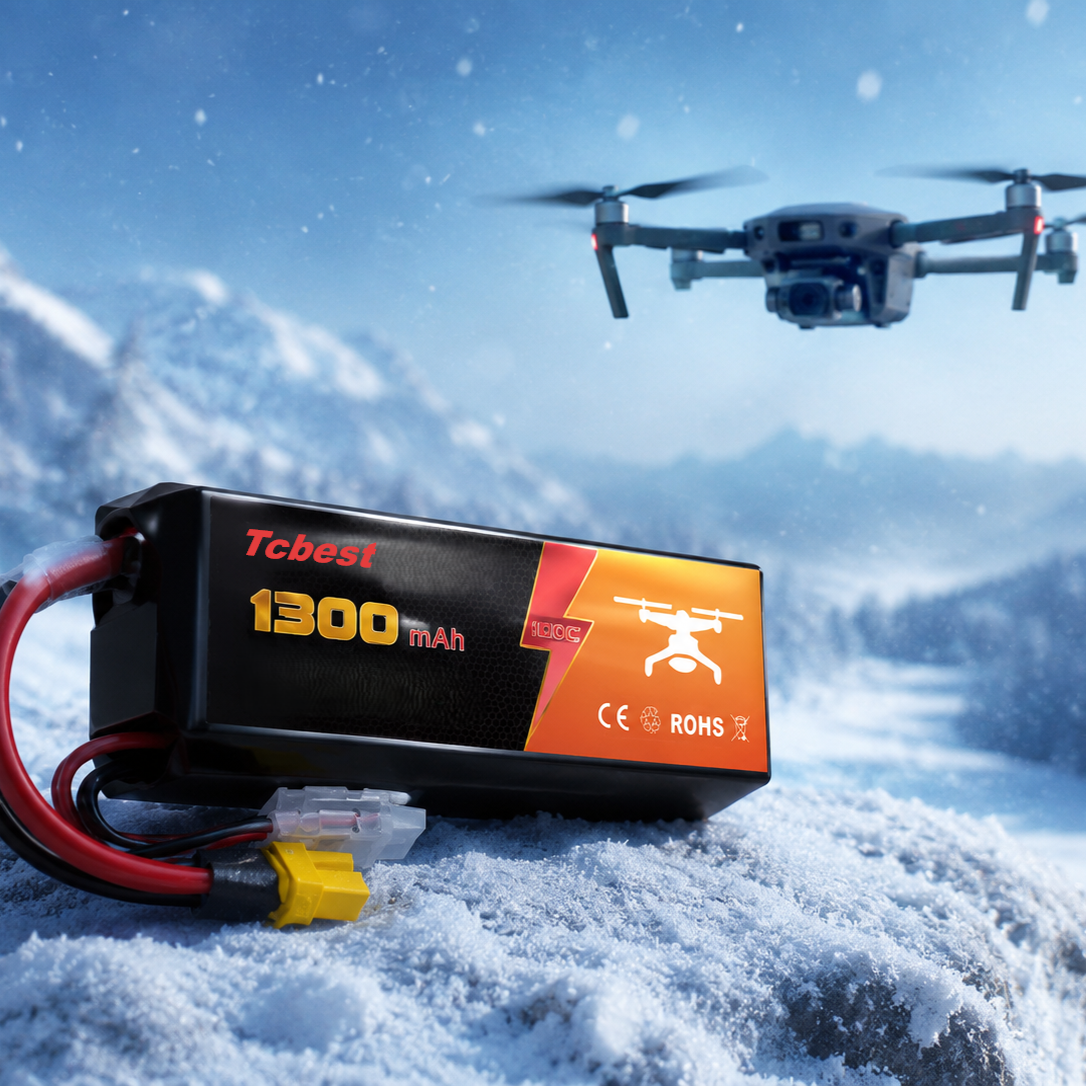
A cold battery may show a high percentage before takeoff, but when the drone requires more power during flight, the battery voltage can suddenly drop.
This happens because the battery may still contain stored energy, but the cold environment prevents that energy from being delivered effectively.
Common cold-weather problems include:
- Battery percentage dropping quickly
- Early low-battery warnings
- Reduced flight time
- Automatic return-to-home activation
- Unexpected landing
This situation can surprise pilots because the battery indicator may appear normal at the beginning of the flight.
How to Improve Drone Battery Performance in Winter
To reduce cold-weather battery problems, pilots should prepare batteries properly before flying.
Recommended practices include:
- Store batteries in a warm environment before use.
- Avoid leaving batteries exposed to freezing temperatures.
- Allow batteries to warm up before high-power flight.
- Monitor battery voltage instead of depending only on percentage.
Many professional drone operators allow the drone to hover at low altitude for a short period after takeoff. This helps the battery generate heat through normal operation before performing demanding movements.
High-quality drone batteries with stable cell performance, such as solutions developed by Tcbest, can also help improve reliability in applications where temperature changes and power demands are important factors.
3. An Aging Battery Loses Capacity Over Time
Drone batteries naturally lose performance as they are used. Even with proper charging and storage habits, lithium batteries experience chemical aging after repeated charging and discharging cycles.
As a battery gets older:
- Maximum capacity decreases.
- Internal resistance increases.
- Voltage drops faster under heavy load.
- Flight time becomes shorter.
A new battery may provide 25–30 minutes of flight time, while an older battery that has completed hundreds of cycles may only provide 15–20 minutes.
This reduction is normal because battery materials gradually degrade over time.
Signs That a Drone Battery Is Aging
A battery may need replacement if you notice:
- Shorter flight times compared with previous use
- Faster battery percentage drops
- Increased battery temperature during operation
- Difficulty maintaining a full charge
- Physical swelling
Battery swelling is one of the most serious warning signs. It may indicate internal damage and can create safety risks. A swollen lithium battery should not continue to be used.
Regular inspection and proper storage are important for maintaining battery health.
4. Extra Weight Increases Battery Consumption
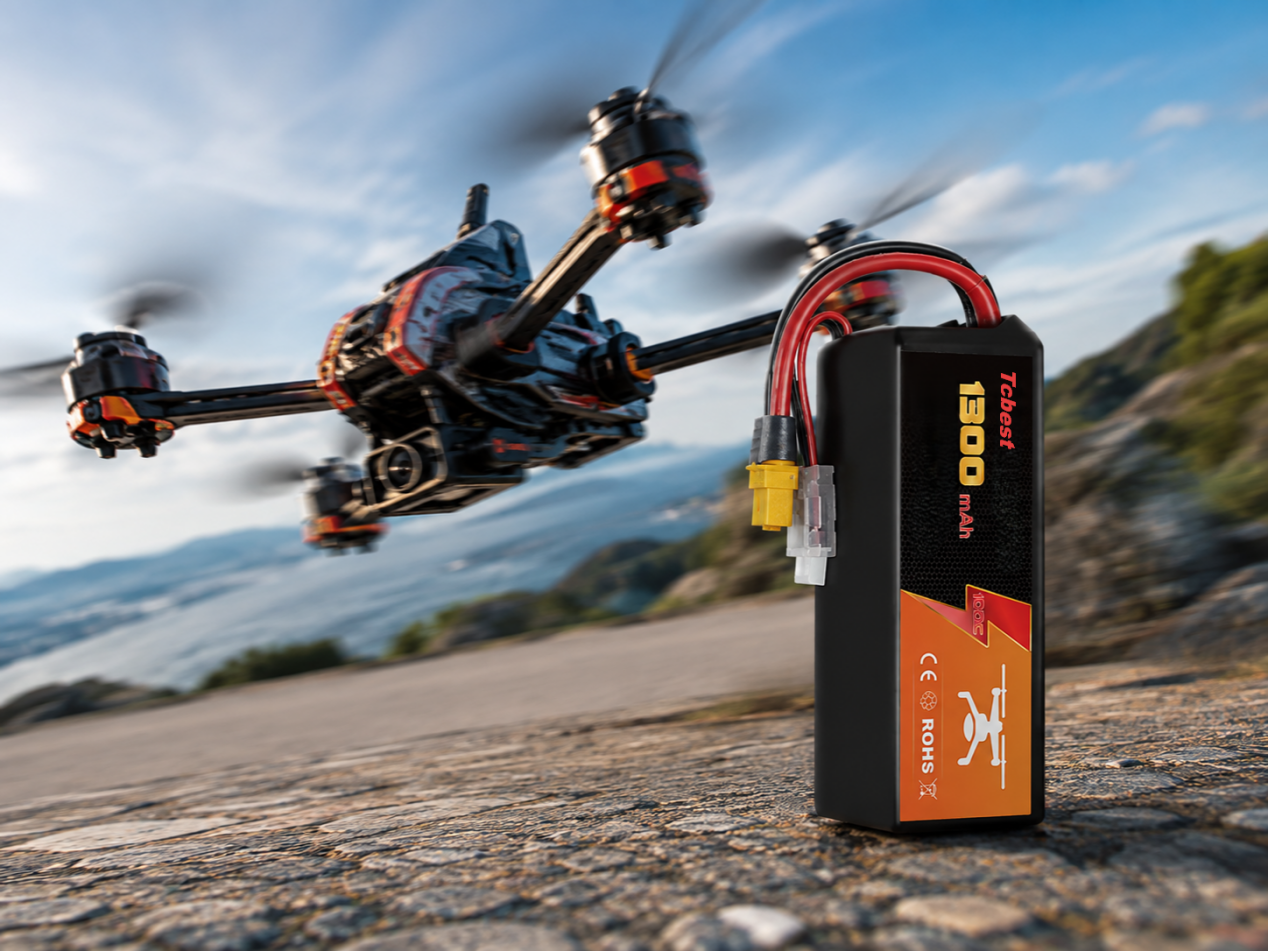
The weight carried by a drone directly affects power consumption. A heavier drone requires more thrust to remain airborne, meaning the motors must work harder.
Additional weight may come from:
- Cameras
- Protective covers
- Landing accessories
- Additional sensors
- External equipment
- Larger payload systems
Professional drones often carry additional equipment for photography, agriculture, mapping, and industrial inspection. While these accessories provide valuable functions, they also increase battery consumption.
To maximize flight efficiency:
- Remove unnecessary accessories.
- Use lightweight equipment.
- Avoid carrying unused components.
- Select batteries with suitable capacity and weight balance.
A battery with higher capacity does not always mean longer flight time if the additional weight reduces overall efficiency.
5. Strong Wind Makes Drone Batteries Drain Faster
Wind conditions are another important factor affecting drone battery life.
When flying against strong wind, the motors must work harder to maintain position and speed. The drone uses more power because it needs additional thrust to fight air resistance.
For example, during headwind conditions:
- Motor speed increases.
- Power consumption rises.
- Battery temperature may increase.
- Flight time decreases.
Before flying, pilots should check weather conditions and consider wind direction when planning routes.
A useful strategy is to fly against the wind when the battery is full and return with the wind helping the drone travel back. This reduces the risk of running low on power during the return journey.
6. Poor Battery Charging and Storage Habits Reduce Lifespan
Battery maintenance plays an essential role in long-term performance. Incorrect charging methods and poor storage habits can permanently reduce battery capacity.
Avoid Overcharging and Deep Discharging
Modern drone batteries usually include a battery management system (BMS) that provides protection against certain battery problems. However, proper handling is still necessary.
Avoid:
- Leaving batteries fully charged for many days.
- Completely draining batteries during every flight.
- Charging damaged or swollen batteries.
- Using incompatible chargers.
For long-term storage, keeping batteries around 40–60% charge is generally recommended. This reduces stress on the battery cells and helps maintain capacity.
Use the Correct Charger
Always use the original charger or a high-quality charger designed specifically for the battery type.
An unsuitable charger may cause:
- Overheating
- Charging errors
- Reduced battery lifespan
- Safety risks
A reliable charging system works together with a high-quality battery to maintain stable performance.
7. Battery Quality Affects Drone Flight Time
Battery quality has a direct impact on drone performance. Not all batteries provide the same energy output, stability, or lifespan.
Battery performance depends on factors such as:
- Cell quality
- Energy density
- Discharge capability
- Manufacturing consistency
- Protection system design
- Thermal stability
A high-quality drone battery can provide more stable voltage output, better power delivery, and improved performance under heavy loads.
For professional drone operations, battery reliability is especially important because unexpected power loss can interrupt missions and create safety concerns.
Tcbest focuses on battery solutions that balance energy density, safety, and stable output. By selecting suitable battery technology and maintaining strict quality control, reliable battery performance can be achieved for different drone applications.
8. How to Make Your Drone Battery Last Longer
Although battery drain cannot be completely eliminated, proper usage habits can significantly improve flight time and extend battery lifespan.
Follow these practices:
- Fly smoothly instead of constantly accelerating.
- Avoid unnecessary high-speed operation.
- Reduce extreme weather exposure.
- Keep batteries at suitable temperatures.
- Reduce unnecessary payload weight.
- Store batteries properly.
- Use compatible charging equipment.
- Check battery condition regularly.
- Replace batteries showing damage or serious aging
Small changes in daily operation can create noticeable improvements in battery performance.
Conclusion: Understanding Drone Battery Drain Helps Extend Flight Time
Drone batteries die quickly because multiple factors work together. Aggressive flying styles, cold temperatures, aging batteries, heavy payloads, strong winds, and poor maintenance habits can all reduce flight time.
The key to improving battery performance is understanding how each factor affects energy consumption. Pilots can achieve longer flights by improving flying habits, maintaining batteries correctly, and choosing reliable battery solutions.
A well-maintained drone battery does more than provide longer flight time. It improves safety, increases reliability, protects equipment, and creates a better overall flying experience.
For users who require stable and efficient drone power solutions, choosing a trusted battery supplier such as Tcbest can help ensure consistent performance across different applications.
Discover why drone batteries drain quickly and learn practical ways to extend flight time. This guide explains how flying style, cold weather, battery aging, payload weight, wind, and charging habits affect performance. Learn essential maintenance tips and how reliable battery solutions like Tcbest help improve drone efficiency, safety, and lifespan.
Table of Contents
- 1. Aggressive Flying Style Drains Drone Batteries Faster
- High-Speed Flight Uses More Battery Power
- Sport Mode Can Reduce Flight Time
- Excessive Hovering Also Consumes Energy
- 2. Cold Weather Is a Major Cause of Fast Drone Battery Drain
- Why Do Drone Batteries Lose Power in Cold Weather?
- How to Improve Drone Battery Performance in Winter
- 3. An Aging Battery Loses Capacity Over Time
- Signs That a Drone Battery Is Aging
- 4. Extra Weight Increases Battery Consumption
- 5. Strong Wind Makes Drone Batteries Drain Faster
- 6. Poor Battery Charging and Storage Habits Reduce Lifespan
- Avoid Overcharging and Deep Discharging
- Use the Correct Charger
- 7. Battery Quality Affects Drone Flight Time
- 8. How to Make Your Drone Battery Last Longer
- Conclusion: Understanding Drone Battery Drain Helps Extend Flight Time