Batteries power countless everyday devices, such as remote controls, flashlights, cameras, and smart electronics. The two most common types are alkaline and lithium-ion batteries. While they may look similar, there are significant differences in performance, lifespan, weight, and cost. Choosing the right battery can improve device efficiency and reduce replacement frequency.
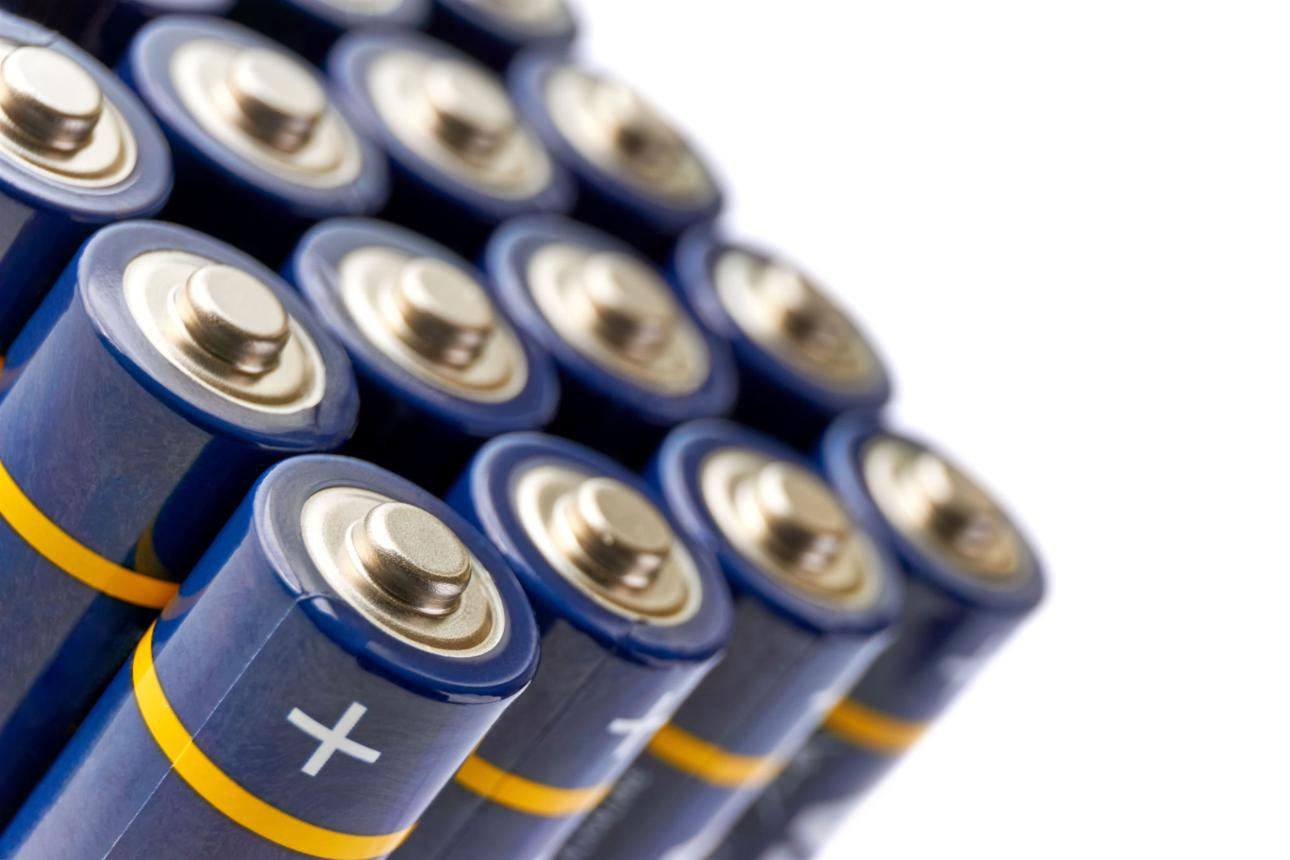
Alkaline batteries are widely used household batteries, typically providing 1.5V. They are affordable, perform reliably, and are suitable for low- to medium-power-consuming devices, such as:
Compared to traditional zinc-carbon batteries, alkaline batteries have a longer lifespan and shelf life. Rechargeable alkaline batteries are also available.
However, if an alkaline battery is damaged, it may leak corrosive chemicals, so it should be used with care, and non-rechargeable alkaline batteries should never be charged.
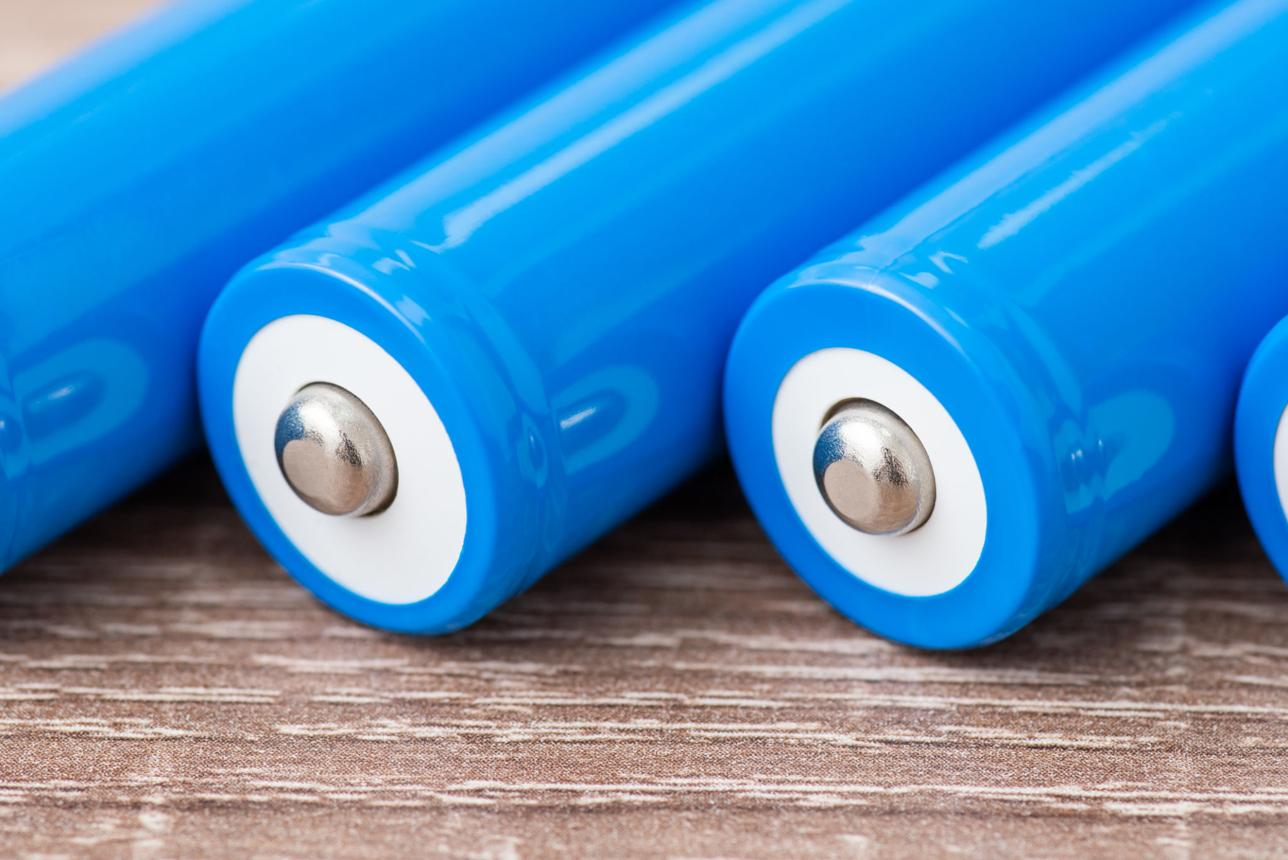
Lithium-ion batteries are lightweight, high-performance batteries designed for high-demand electronic devices, commonly used in:
Smart electronic products
Lithium-ion batteries typically have a much longer lifespan than alkaline batteries and maintain good performance in both high and low temperature environments. They are lighter and have a higher voltage output, allowing devices to operate more efficiently.
Disposable lithium-ion batteries must never be recharged, as this can cause overheating or even fire.
What are the differences between the two?
Lithium-ion batteries generally have a longer shelf life than alkaline batteries.
Lithium-ion batteries perform better in extreme temperatures and outdoor environments.
Lithium-ion batteries are lighter and more suitable for portable devices.
Lithium-ion batteries typically provide voltages exceeding 1.5V, while alkaline batteries are generally 1.5V. Therefore, lithium-ion batteries allow for brighter flashlights and more powerful devices.
Alkaline batteries are cheaper and more suitable for everyday low-power devices.
Lithium-ion batteries contain chemicals that require careful handling and therefore must be properly recycled. Modern alkaline batteries are less toxic, but they should still be properly recycled.
Batteries should not be discarded directly into ordinary household waste. Both alkaline and lithium-ion batteries contain chemicals that may harm the environment.
Consumers should dispose of used batteries at designated battery recycling points or systems to ensure safe disposal and material reuse.
EU Battery Regulation 2024
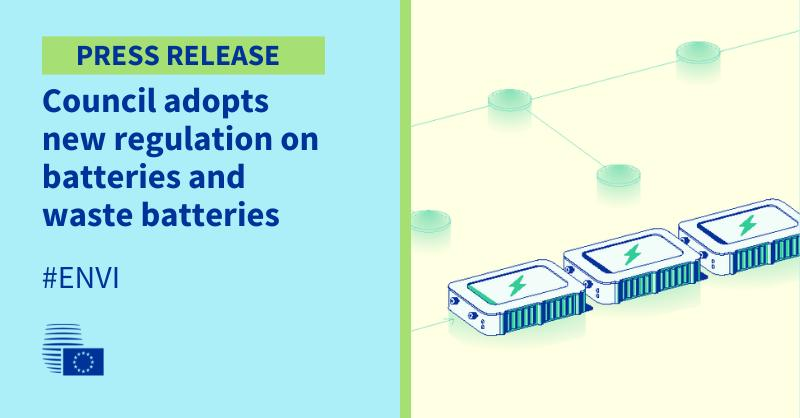
The EU updated its battery regulations in 2024 to improve recycling efficiency, environmental friendliness, and safety.
The new regulations include:
Restrictions on hazardous substances such as mercury and cadmium
Improved battery labeling information
Increased recycling targets
Improved used battery recycling systems
These regulations aim to reduce environmental impact and promote more sustainable battery production and disposal methods.
Alkaline batteries are inexpensive and practical, suitable for everyday household devices; while lithium-ion batteries have advantages such as longer lifespan, lighter weight, and higher performance, making them more suitable for high-tech electronic products and outdoor environments.
The choice of battery type should be determined based on equipment requirements, usage environment, and budget.
Learn the key differences between lithium-ion and alkaline batteries, including lifespan, performance, weight, cost, temperature resistance, and environmental impact, to choose the best battery for your devices.

 EN
EN