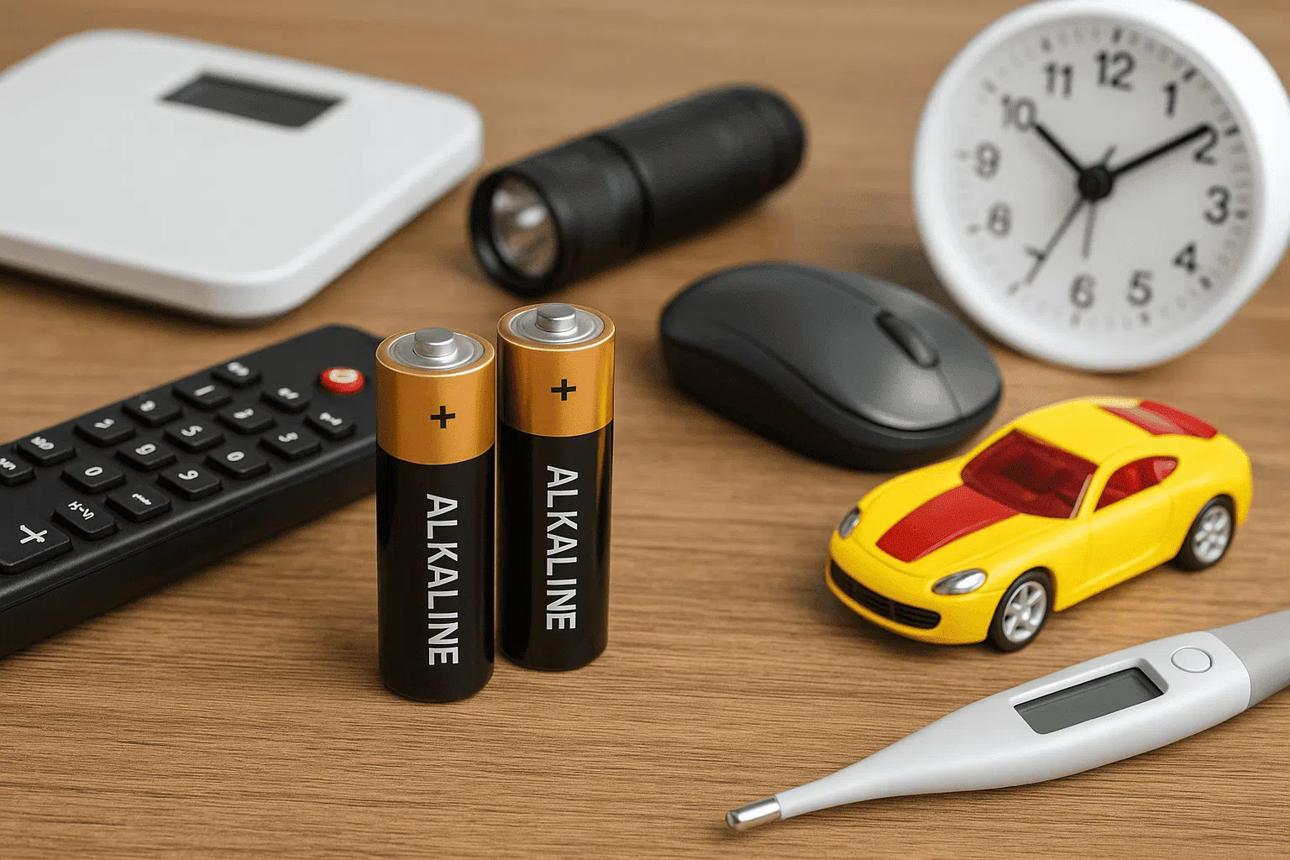
Alkaline batteries are among the most successful consumer power sources in history, accounting for approximately 80% of battery production in the United States and about 10 billion batteries produced globally each year. They power everyday devices such as flashlights, radios, toys, cameras, CD players, MP3 players, and pagers. Their development history is not the story of a single inventor, as alkaline chemistry existed in other forms long before the advent of modern dry cell batteries.
Why is this history controversial?
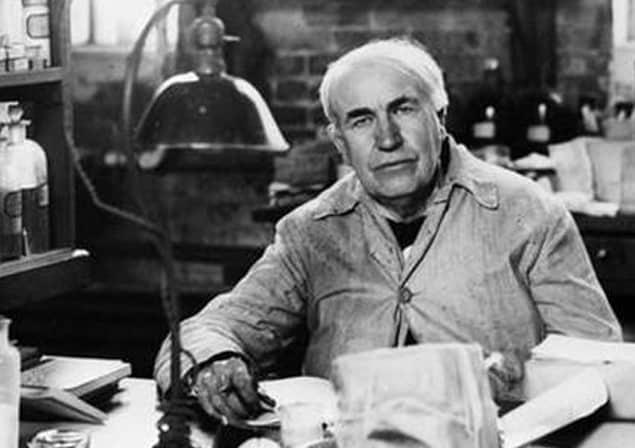
The history of alkaline batteries is controversial because the concept of "using an alkaline electrolyte" was developed separately by different people. Swedish engineer Waldemar Jungner invented the rechargeable alkaline silver-cadmium battery in 1899 and participated in research on nickel-iron and nickel-cadmium batteries. Meanwhile, Thomas Edison independently developed his own alkaline battery in 1901, hoping to create a robust, rechargeable, and practical power source.
In other words, the early history of alkaline batteries did not belong to any one patent or individual, but was the result of parallel development in different regions.
Jungner's research demonstrated that alkaline chemistry could support rechargeable batteries; Edison's version further propelled the development of high-output, durable energy storage batteries. Edison's battery used potassium hydroxide electrolyte and nickel-iron electrodes, and he spent years testing various materials before deeming the product mature. Because both researchers conducted their studies independently, there was no real plagiarism dispute. Ultimately, alkaline battery technology had already established a long development trajectory before the widespread adoption of modern household batteries.
Jungner's research in 1899 represents the earliest stage of alkaline battery development. His rechargeable battery, using an alkaline electrolyte, was a significant breakthrough compared to many earlier batteries. He also participated in the development of nickel-iron and nickel-cadmium technologies, thus holding an important place in battery history.
Edison's alkaline battery, developed in 1901, was completed independently, aiming to meet the needs of the transportation sector at the time. His team hoped to create a lighter, more powerful battery to support electric vehicles, which were still competing with other power systems. Edison's battery differed from the alkaline dry cell batteries later sold in stores, but it represented a similar direction in addressing the problem of durable, portable power. Jungner, along with Edison, laid the technological foundation for later inventors.
A Long Period of Stagnation
Following these early breakthroughs, the development of alkaline battery technology stagnated for a long time. Although the chemical system existed, market demand for small, long-lasting portable power sources was insufficient to drive rapid development.
About half a century later, in the 1950s, the situation changed. With the rise of portable electronics and household appliances, the need for better-performing batteries arose.
The most important market drivers were flashlights and the emerging transistor radios. These devices required stable, long-lasting power. While traditional zinc-carbon batteries could function, their short lifespan and poor performance in power-hungry devices were undesirable. The proliferation of consumer electronics led users to demand batteries with longer battery life, more stable voltage, and fewer replacement cycles, paving the way for the modern alkaline battery.
Lewis Urry's Breakthrough
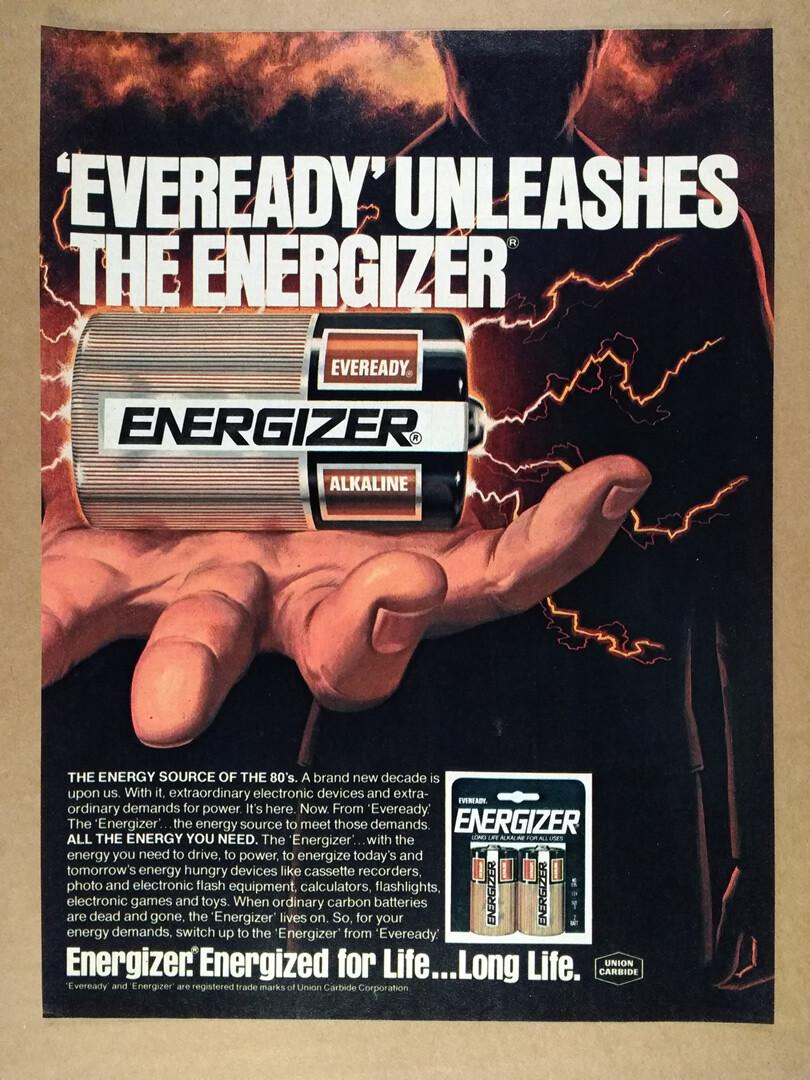
The modern alkaline dry cell battery is often credited to Canadian engineer Lewis Urry. He worked at Eveready (a brand under Union Carbide, later developed into Energizer). In 1955, he was sent to a research laboratory in Parma, Ohio, to improve the then-short-lived zinc-carbon batteries.
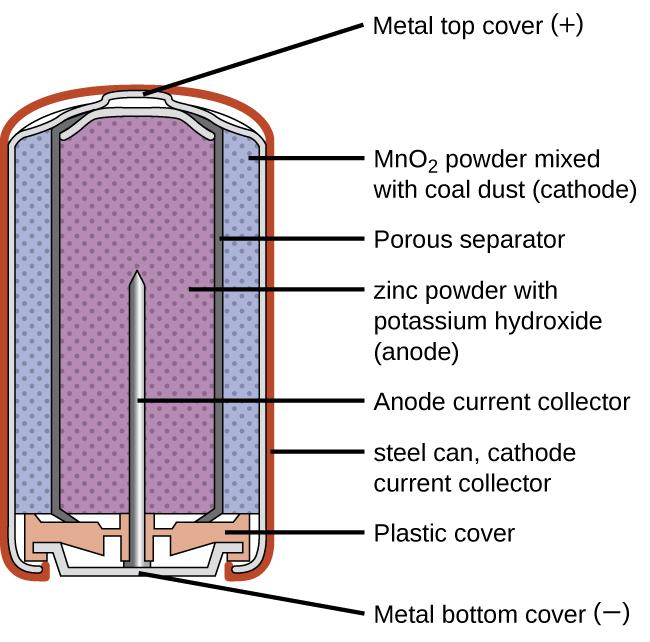
Urry's key discovery was that combining zinc with manganese dioxide and using an alkaline electrolyte could create batteries with longer lifespans, better suited for portable consumer electronics. He later further improved battery performance by using powdered zinc.
In 1957, Urry, along with Karl Kordesch and P.A. Marsal, filed a patent application for an alkaline battery, which was granted in 1960.
The first Eveready alkaline batteries were marketed between 1958 and 1959, and the brand was officially renamed Energizer in 1980. Although early production encountered some manufacturing problems, once these were resolved, the battery quickly achieved great commercial success. The alkaline batteries still in use today are essentially based on Urry's original design.
Modern alkaline batteries use zinc as the negative electrode (manganese dioxide as the positive electrode) and an alkaline electrolyte to support the chemical reaction. This system is particularly suitable for low- to medium-power-consuming devices because it can stably output power over a relatively long period.
Therefore, alkaline batteries are ideal for devices such as remote controls, toys, radios, and flashlights.
Compared to earlier batteries, alkaline batteries offer significant improvements in reliability, shelf life, and ease of use. They are inexpensive enough to be mass-produced and superior to traditional zinc-carbon batteries in many everyday scenarios. Their standardized cylindrical shape also makes them easy to standardize and widely used in consumer products. It is this combination of chemical system and manufacturing process that has made alkaline batteries the default disposable battery in many households.
Alkaline batteries are widely used in various consumer electronics products because they achieve a good balance between cost, availability, and performance. They are particularly suitable for devices that do not require extremely high instantaneous power but need long battery life, such as radios, toys, cameras, and flashlights. Their popularity stems more from practicality than from technological sophistication.
The success of alkaline batteries reflects how technology adapts to everyday life. As portable electronics became increasingly common, consumers needed an inexpensive, standardized, and easily replaceable power source. Alkaline batteries better met this need compared to many earlier solutions. Therefore, even with the continuous development of rechargeable technology today, alkaline batteries remain one of the most common power sources in modern households.
The history of alkaline batteries demonstrates how invention, opportune moments, and market demand can work together. Jungner and Edison conceived the concept of alkaline batteries before the market matured, while Urry successfully combined this chemical system with real commercial needs in the mid-20th century. What was ultimately born was not just a battery, but a fundamental platform that propelled the development of the portable electronics era.
Today, alkaline batteries are so ubiquitous that they seem commonplace, but their success is actually built on decades of experimentation and improvement. From early rechargeable alkaline batteries to modern zinc-manganese dioxide dry cell batteries, their development is more like a history of continuous refinement than a single, momentary invention. This explains why alkaline batteries remain a vital representative of everyday portable power sources.
A brief history of alkaline batteries, from early inventions by Jungner and Edison to Lewis Urry’s breakthrough that powered the portable electronics era.

 EN
EN