Li Polymer Cell | Advanced Energy Storage Solution

All Categories

li polymer cell

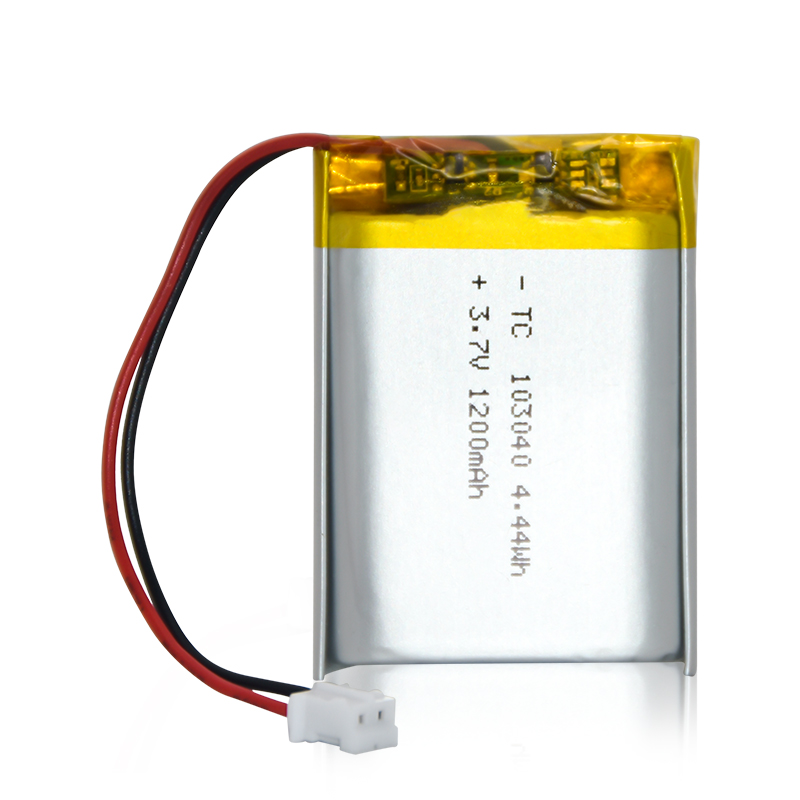
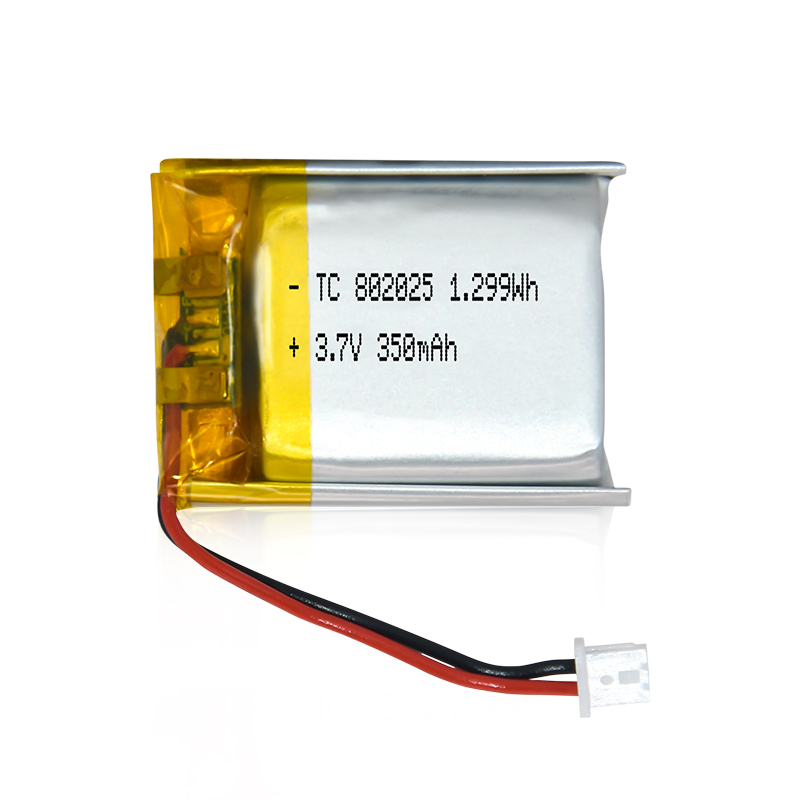
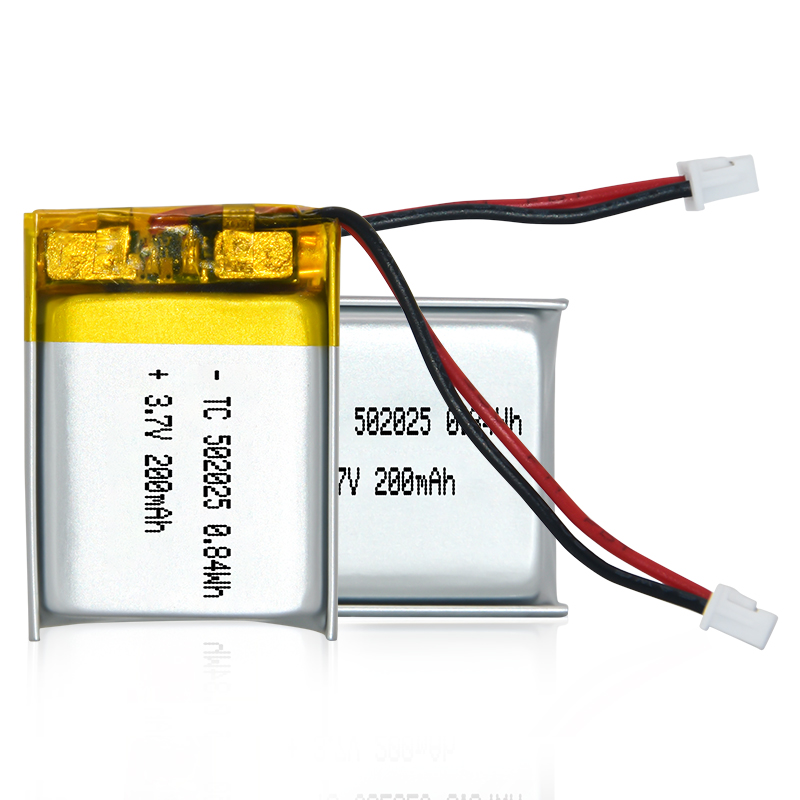
A li polymer cell represents a cutting-edge energy storage solution that combines lithium technology with polymer electrolyte systems to deliver superior performance in modern applications. The li polymer cell functions as a rechargeable battery unit designed to provide reliable power delivery across various devices and industries. This advanced battery technology utilizes a solid polymer electrolyte instead of traditional liquid electrolytes, which distinguishes it from conventional lithium-ion batteries. The technological features of a li polymer cell include a lightweight construction that makes it ideal for portable electronics, aerospace applications, and electric vehicles. The li polymer cell operates with enhanced safety characteristics due to its gel-like polymer matrix, which reduces the risk of leakage and thermal runaway. Its flexible design allows manufacturers to create batteries in custom shapes and sizes, accommodating diverse product requirements. A li polymer cell typically demonstrates higher energy density compared to older battery technologies, enabling devices to run longer on a single charge. The li polymer cell maintains stable voltage output throughout its discharge cycle, ensuring consistent performance for sensitive electronic equipment. These cells feature low self-discharge rates, meaning they retain their charge over extended storage periods without significant power loss. Applications for the li polymer cell span multiple industries, including consumer electronics, mobile devices, wearable technology, and professional equipment. The li polymer cell has become essential in the drone industry, where weight reduction and compact size are critical factors. Additionally, the li polymer cell supports renewable energy storage systems and backup power solutions for critical infrastructure, making it a versatile choice for modern energy needs.

New Product Releases

The li polymer cell delivers substantial practical benefits that make it an excellent choice for consumers and manufacturers seeking dependable energy solutions. One primary advantage involves the exceptional power density that a li polymer cell provides, allowing devices to operate at peak performance for extended periods without requiring frequent recharging. This translates into genuine operational value for users who depend on consistent, long-lasting power delivery. Customers benefit from the li polymer cell's remarkable flexibility in design and form factor. Unlike rigid battery configurations, the li polymer cell can be manufactured in ultra-thin designs, curved shapes, and custom dimensions tailored to specific product requirements. This adaptability enables engineers to create more innovative and ergonomic devices while maximizing internal space utilization. The safety profile of the li polymer cell represents another significant advantage that matters to environmentally conscious and safety-focused buyers. The li polymer cell's solid polymer electrolyte eliminates the risk of liquid leakage, reducing environmental hazards and improving workplace safety during handling and storage. This makes the li polymer cell particularly suitable for applications near sensitive electronics or in climate-sensitive environments. Operational efficiency distinguishes the li polymer cell in competitive battery markets. The li polymer cell maintains superior charge retention during storage, meaning devices powered by these cells remain ready for immediate use without power degradation. The li polymer cell also exhibits faster charging capabilities compared to alternative battery technologies, reducing downtime for users and improving overall productivity. From an economic perspective, the li polymer cell offers long-term value through extended cycle life, supporting thousands of charge-discharge cycles before significant capacity loss occurs. This durability reduces replacement frequency and lowers total cost of ownership for consumers and enterprises. The li polymer cell's reliability across diverse temperature ranges ensures consistent performance in challenging environmental conditions, making it ideal for applications from arctic exploration to tropical industrial settings.

Tips And Tricks

How Does a Cylindrical Lithium Battery Support Thermal Stability?

14

May

How Does a Cylindrical Lithium Battery Support Thermal Stability?

Thermal stability is one of the most critical performance benchmarks in modern energy storage, and the cylindrical lithium battery has consistently proven itself as a reliable solution for demanding thermal environments. Whether deployed in industria...
View More
Why Your Drone Dies in Winter

29

Jun

Why Your Drone Dies in Winter

Winter is one of the most beloved seasons for aerial photography enthusiasts. Snow-covered landscapes, frozen lakes, and clear skies offer unique and breathtaking footage for drones.    However, cold weather also presents challenges, s...
View More
how to ship drone batteries

24

Jul

how to ship drone batteries

Introduction Drone batteries are classified as dangerous goods because they contain large amounts of stored energy. Improper packaging can cause short circuits, overheating, fire, or shipping delays. Whether you are shipping a single battery or a lar...
View More
What batteries do drones use

29

Jul

What batteries do drones use

A Comprehensive Guide to Drone Batteries: Types, Performance Parameters, Safety Standards and Manufacturer Selection 1. Introduction As the power core of unmanned aerial vehicles (UAVs), batteries directly determine the overall performance of aircraf...
View More

Get a Free Quote

Our representative will contact you soon.
Email
Name
WhatsApp
Company Name
Message
0/1000

li polymer cell

Advanced Energy Density and Extended Runtime

Advanced Energy Density and Extended Runtime

The li polymer cell stands out for delivering exceptional energy density that translates directly into extended device runtime. Modern applications demand batteries capable of powering sophisticated electronics for hours without requiring recharging, and the li polymer cell consistently exceeds these expectations. The li polymer cell achieves higher energy storage capacity within the same physical volume compared to traditional battery technologies, enabling manufacturers to either extend device usage time or reduce overall battery size and weight. For consumers, this means smartphones, tablets, and portable devices powered by the li polymer cell can operate throughout entire workdays without interruption. Professional users, including photographers, field workers, and mobile medical technicians, benefit significantly from the li polymer cell's superior runtime capabilities. The li polymer cell also enables the development of lighter, more portable equipment without sacrificing performance, making it invaluable for outdoor enthusiasts, travelers, and professionals requiring mobility. This technical advantage directly addresses real-world usage patterns where device availability and reliability impact daily productivity and user satisfaction.
Superior Safety Features and Environmental Protection

Superior Safety Features and Environmental Protection

The li polymer cell incorporates inherent safety mechanisms that significantly reduce risks associated with battery failures and hazardous incidents. Unlike traditional lithium-ion batteries containing flammable liquid electrolytes, the li polymer cell utilizes a solid, gel-like polymer matrix that prevents leakage and substantially minimizes thermal runaway dangers. This fundamental design difference makes the li polymer cell substantially safer for use in consumer products, residential environments, and applications where safety compliance demands highest standards. The li polymer cell's safety advantages extend to environmental protection, as the absence of liquid electrolyte eliminates potential contamination risks during manufacturing, transportation, and disposal. Organizations prioritizing sustainability and environmental responsibility appreciate that the li polymer cell reduces hazardous waste concerns throughout its lifecycle. The li polymer cell can be safely transported through stricter regulations without special hazardous material classifications, reducing logistics complexity and costs. This safety profile makes the li polymer cell particularly suitable for medical devices, aerospace applications, and consumer electronics where reliability and security are paramount customer concerns.
Flexible Design Capabilities and Customization Options

Flexible Design Capabilities and Customization Options

The li polymer cell revolutionizes battery design possibilities by enabling manufacturers to create batteries in virtually any shape, size, or thickness required by specific applications. This design flexibility represents a significant competitive advantage for companies developing innovative products, as the li polymer cell can conform to product specifications rather than forcing product designs around rigid battery constraints. Engineers can integrate the li polymer cell directly into product structures, optimizing space utilization and creating sleeker, more sophisticated device designs. Manufacturers leverage the li polymer cell's customization capabilities to develop breakthrough products previously considered impossible with conventional battery technology. The li polymer cell accommodates ultra-thin applications in wearable devices, curved configurations in ergonomic consumer electronics, and specialized geometries in aerospace and medical equipment. This adaptability significantly reduces development timelines and production complexity, as the li polymer cell eliminates the need for bulky battery enclosures and complex integration mechanisms. Companies choosing the li polymer cell gain distinct market advantages through enhanced product differentiation and improved user experiences that competitors using traditional battery solutions cannot match.

Get a Free Quote

Our representative will contact you soon.
Email
Name
WhatsApp
Company Name
Message
0/1000