
 EN
EN
Winter is one of the most beloved seasons for aerial photography enthusiasts. Snow-covered landscapes, frozen lakes, and clear skies offer unique and breathtaking footage for drones.
However, cold weather also presents challenges, such as reduced battery life, impaired flight performance, and increased susceptibility to moisture damage to cameras and drone bodies.
With proper preparation, you can still fly safely in winter and capture stunning aerial footage. Here are some winter flying tips every drone pilot should master.
Battery Life Considerations
Low temperatures significantly impact drone battery performance. Lithium-ion batteries discharge less efficiently in cold environments, resulting in shorter flight times compared to normal.
To achieve better battery life, we recommend:
Fully charge your batteries before flight.
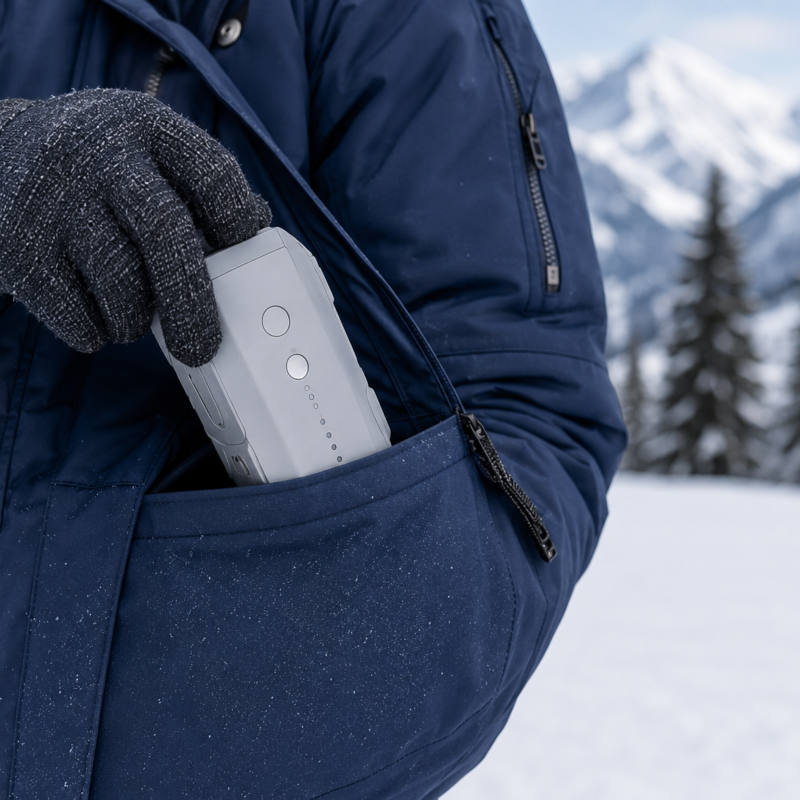
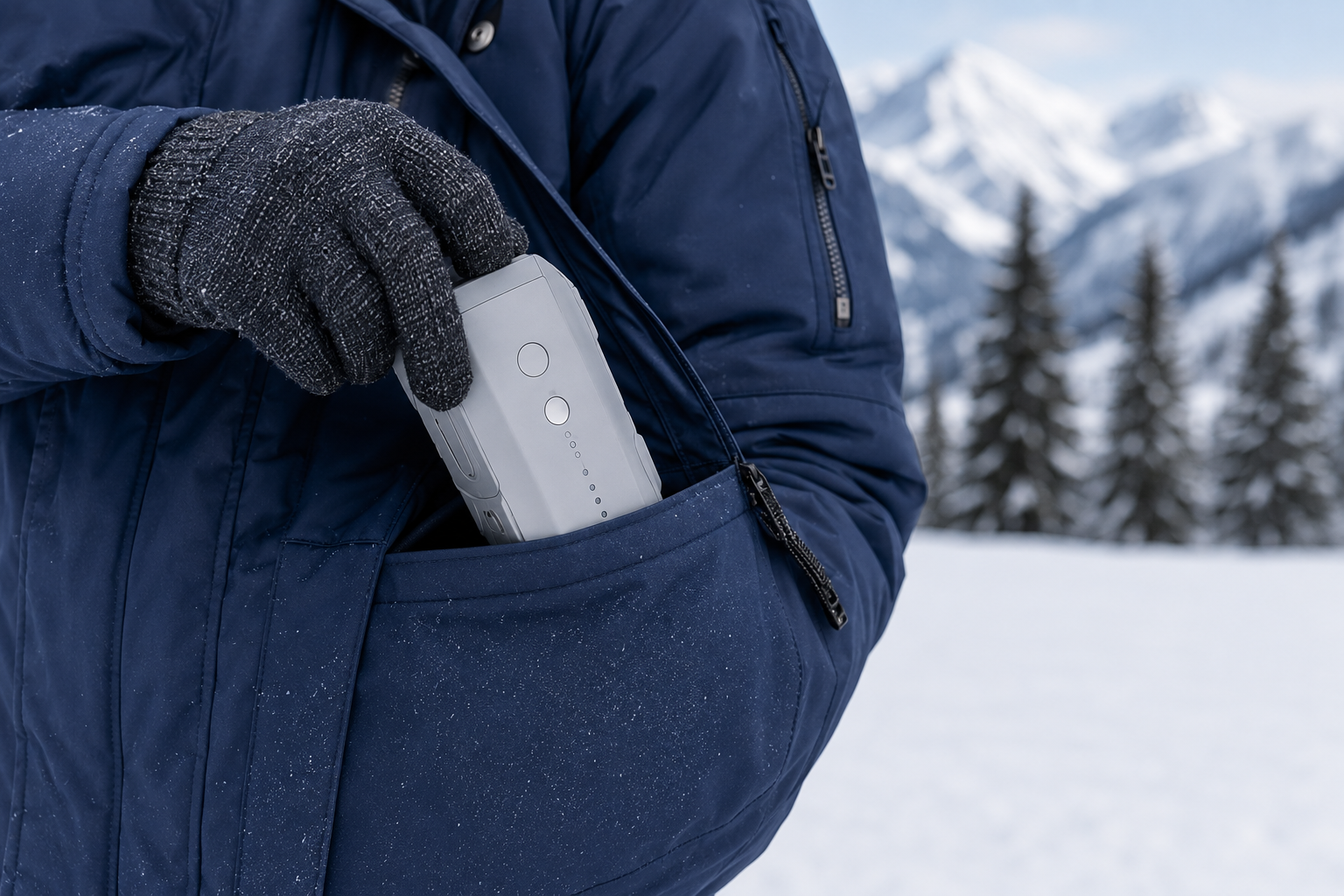
Keep spare batteries warm in an inside pocket of your clothing.
Monitor battery levels throughout the flight.
Don't wait until the battery is extremely low before returning to base; always leave enough charge for a safe landing.
If your drone warns of low battery temperature, warm the batteries before taking off again.
Coping with Insufficient Light in Winter
Shorter days and more overcast skies in winter mean less light for aerial photography compared to summer.
To achieve better results, you can:
Try shooting after sunrise or before sunset.
When shooting snow scenes, increase exposure compensation appropriately to avoid making the snow appear grayish.
Use manual exposure mode whenever possible.
Shoot in RAW format for easier post-processing adjustments.
Good lighting not only improves image quality but also makes it easier to keep the drone within your line of sight.

Flying in Windy Weather
Winter is often accompanied by strong winds, especially at high altitudes where wind speeds are often stronger than at ground level.
Pre-flight recommendations:
Check the weather forecast and wind speed information.
Do not exceed the drone's official wind resistance rating.
Lower your flight altitude in strong winds.
Allow sufficient battery power for return flight.
If you find it difficult to hover stably or receive a high wind warning, return to base immediately.
Preventing Condensation from Affecting Flight
Many drone pilots easily overlook the risks posed by condensation.
When a cold drone enters a warm indoor environment, moisture in the air can condense on the fuselage and electronic components, potentially causing internal dampness.
A simple method is to place the drone in a sealed bag before returning it indoors. This way, condensation from warming up will adhere to the bag, not the drone's surface.
Additionally, ensure the drone is completely dry before charging or storing it.
Can you fly a drone in snow?
Yes, but with extra caution.
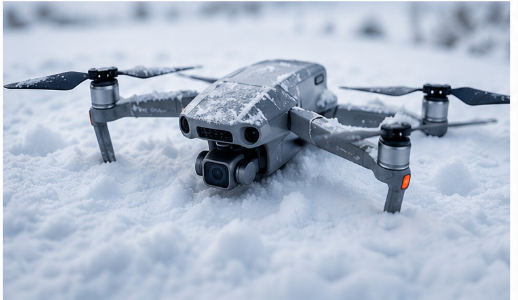
Most consumer drones are not waterproof, and flying them in snow poses a risk. Melting snowflakes can get into the motors or electronic components, affecting their proper function.
It is not recommended to fly in the following situations:
Heavy snow.
Low visibility.
The propellers are starting to freeze.
The takeoff and landing area has snow, water, or mud.
If the drone gets wet from snow, dry it thoroughly before using it again.
Can you fly a drone in freezing weather?
Many drones can fly below freezing, but low temperatures can reduce battery performance and potentially affect flight stability.
Pre-flight recommendations:
Check the operating temperature range in the product manual.
Preheat the battery appropriately before takeoff.
Shorten each flight session.
Closely monitor battery status during flight.
In cold weather, multiple short flights are generally safer than one long flight.
Which drones are better suited for winter flying?
Not all drones are suitable for low-temperature environments.
If you frequently fly in winter, choose models with the following features:
Intelligent battery heating function
Longer flight time
Stronger wind resistance
Some wind and water resistance
More reliable obstacle avoidance system
These features help drones maintain more stable flight performance in harsh weather conditions.
Prepare not only the drone but also yourself to stay warm.
Winter flying tests not only the equipment but also the pilot.
It is recommended to wear warm, windproof clothing and gloves that support touchscreen operation. If you need to walk on snow, it is best to wear non-slip, waterproof shoes.
Cold weather reduces hand dexterity and affects control precision, so flight times should not be too long. Take breaks as needed to keep your body warm.
Plan your mission before flight.
Winter weather changes rapidly, so advance planning is crucial.
Before takeoff, check the following:
Check the weather and wind speed.
Check the drone and propeller status.
Ensure the battery is fully charged.
Set a return point.
Plan your flight route in advance.
Confirm safe takeoff and landing locations.
Adequate preparation not only saves battery power but also effectively reduces flight risks.
Summary
While winter presents challenges, it's also one of the most beautiful seasons for aerial photography. By keeping batteries warm, monitoring weather changes, preventing equipment from getting damp, and planning your flight route in advance, you can safely enjoy winter flying and capture stunning footage.
Safety should always be the top priority. If weather conditions are unfavorable, wait for a more suitable time to fly.