
 EN
EN
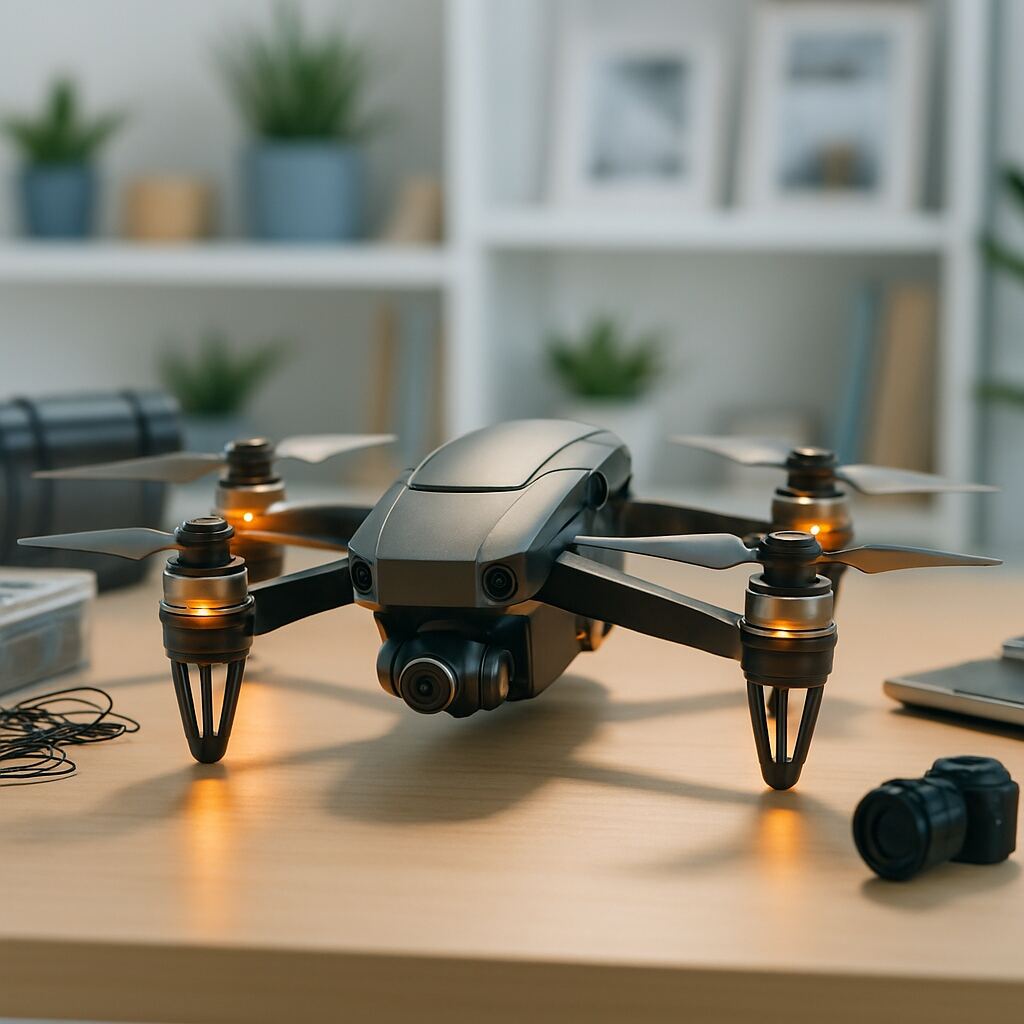
The rapid evolution of drone technology has revolutionized industries ranging from aerial photography and surveying to logistics and emergency response. Yet, the operational potential of these unmanned aerial vehicles (UAVs) hinges on a single critical component: the battery. Flight time—often the most significant limitation for drone operators—directly depends on battery performance and longevity. Understanding the factors that influence battery lifespan is not merely an academic exercise; it is essential for maximizing efficiency, ensuring safety, and protecting investment value. This article examines the key influences on drone battery lifespan, grouped into four categories: environmental conditions, operational practices, battery characteristics, and technical considerations.
I. Environmental and External Conditions
The operating environment exerts a profound and often immediate impact on drone battery performance. While pilots cannot control these external variables, recognizing and adapting to them during flight planning is crucial.
1. Extreme Temperatures
Temperature is arguably the most critical environmental factor. Lithium polymer (LiPo) and lithium-ion batteries—used in most consumer and professional drones—perform best between 20 °C and 30 °C (68 °F to 86 °F).
● Cold conditions: Chemical reactions slow, internal resistance rises, and power delivery capacity drops. Studies indicate that low temperatures can reduce effective capacity by 20–30%.
● Hot conditions: Elevated temperatures accelerate chemical degradation, increase the risk of overheating, and can cause permanent cell damage. At extreme levels, batteries may enter thermal runaway, a dangerous state of uncontrollable overheating.
2. Atmospheric Factors: Wind, Humidity, and Altitude
● Wind: Strong winds force drones to expend more energy to maintain stability and speed. Sustained winds of 20 km/h (12.4 mph) can reduce flight time by over 30% due to turbulence compensation.
● Humidity: High humidity promotes moisture accumulation on electrical components and battery terminals, raising risks of corrosion, short circuits, and reduced efficiency.
● Altitude: At higher elevations, thinner air provides less lift. Drones must work harder to climb and remain airborne, increasing energy consumption and reducing battery endurance.
3. Precipitation
Flying in rain or snow is strongly discouraged, as moisture poses a direct threat to both battery health and drone integrity.
● Added weight: Water accumulation increases aircraft load.
● Electrical risks: Moisture infiltration can cause short circuits and catastrophic system failures.
● Performance impact: Under humid or wet conditions, battery efficiency may decline by up to 25%.
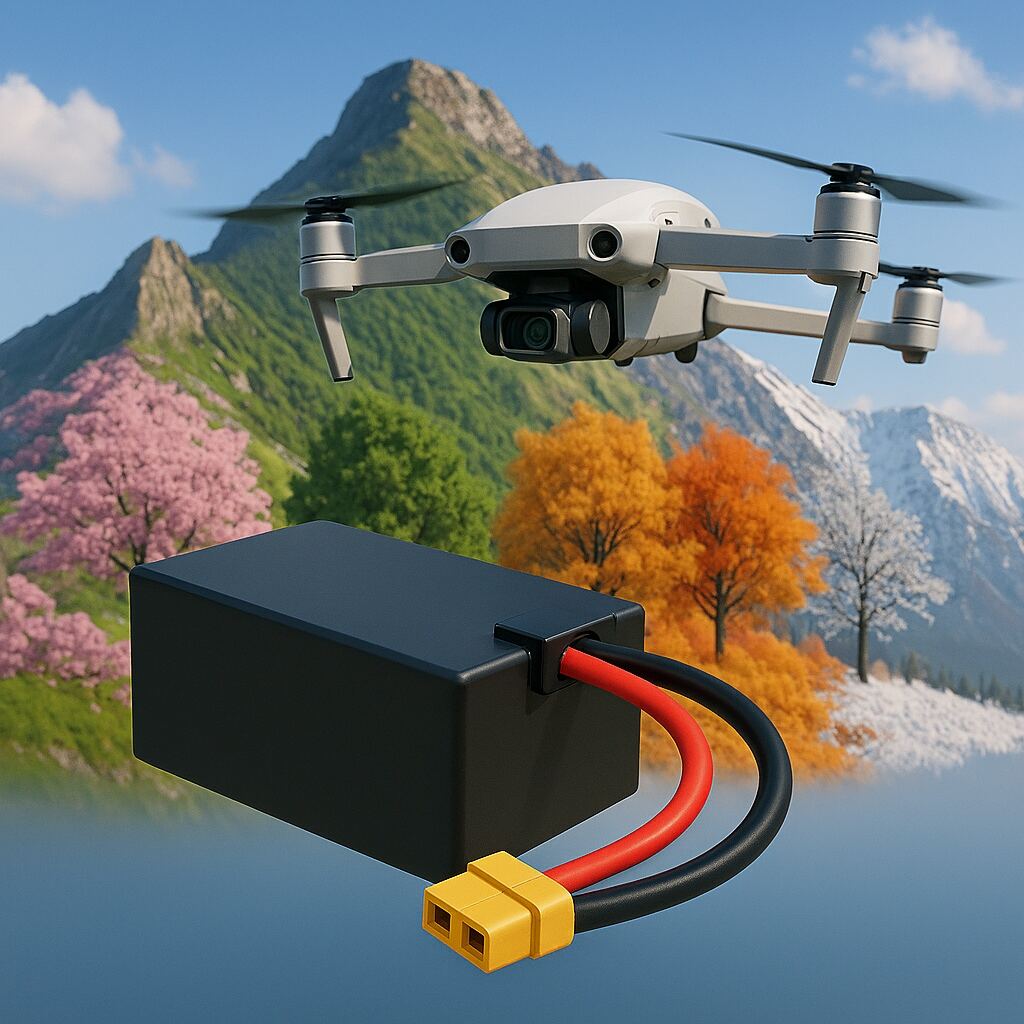
II. Operation and Usage Practices
Drone flight and maintenance methods are entirely within the pilot’s control, and they play a decisive role in battery consumption rates.
1. Flight Style and Maneuvering
Aggressive flying is one of the primary causes of rapid battery drain. Frequent acceleration, deceleration, sharp turns, and high-speed maneuvers demand high instantaneous current from the battery. By contrast, maintaining a steady, moderate speed conserves energy. Planning efficient, direct flight paths and minimizing unnecessary hovering or complex maneuvers can significantly extend flight time.
2. Payload and Weight Management
The physics of flight dictate that heavier drones require more energy to lift and sustain hover. Every additional gram increases electrical demand. Payloads such as high-resolution cameras, gimbals, LiDAR sensors, or delivery mechanisms add weight and reduce efficiency. Minimizing nonessential attachments and tailoring payloads to specific missions are key strategies for preserving battery life.
3. Flight Planning and Path Optimization
Strategic flight planning enhances efficiency. This includes selecting routes that minimize distance, leveraging favorable wind directions (flying downwind when possible), and managing altitude effectively. Automatic flight modes such as cruise can often distribute power more efficiently than manual control, reducing unnecessary energy expenditure.
III. Battery Characteristics and Maintenance
The inherent properties of the battery, combined with proper maintenance, are central to determining both flight duration and long-term service life.
1. Capacity and Technology
Battery capacity, measured in milliampere hours (mAh), is the primary indicator of potential flight time. Higher capacity generally equates to longer endurance.
● Lithium polymer (LiPo): Favored for high energy density and power output, ideal for performance-focused drones but requiring careful handling.
● Lithium-ion: Typically safer and longer-lasting, though often heavier and less powerful. The discharge rate (C-rate) defines how quickly energy can be safely released, which is critical for drones requiring bursts of high power.
2. Charging Cycles and Natural Aging
Rechargeable batteries have finite lifespans, measured in charge cycles (a full discharge and recharge). LiPo batteries typically endure 300–500 cycles before capacity declines significantly. Over time, chemical degradation increases internal resistance and reduces charge retention—even if the battery is seldom used.
3. Charging and Storage Practices
Improper charging is a leading cause of premature battery failure.
● Avoid overcharging and non-original chargers.
● Never charge immediately after use while the battery is still hot. For long-term storage, maintain batteries at 50–60% capacity in a cool, dry environment. Avoid deep discharges below 20%, as they accelerate wear. For daily use, keeping charge levels between 20–80% can extend lifespan by up to 30%.
4. Regular Maintenance and Calibration
Routine care is essential:
● Inspect batteries for damage or swelling.
● Clean electrical contacts to ensure proper connectivity.
● Allow batteries to cool before charging. Periodic calibration ensures the battery management system (BMS) accurately reads voltage levels, preventing misreporting and supporting long-term health.
IV. Technical and Design Factors
Drone design and supporting systems fundamentally influence energy efficiency.
1. Motor and Propeller Efficiency
Motor efficiency in converting electrical energy into thrust is critical. High-quality brushless motors paired with optimized propeller designs deliver greater lift with less power. Inefficient motors waste energy as heat, draining batteries faster.
2. Firmware, Software, and Battery Management Systems
Manufacturers frequently release firmware updates that improve power management and motor control. Running outdated firmware can lead to inefficient energy use. The onboard BMS monitors voltage, temperature, and cell health, prevents over-discharge, and balances cells during charging. Advanced BMS technology is vital for both safety and maximizing usable capacity.
3. Onboard Systems and Settings
Auxiliary systems significantly affect battery consumption. Features such as high-resolution video recording, LED lighting, and obstacle avoidance sensors draw additional power. Adjusting settings—lowering camera resolution or frame rate, or disabling nonessential features—can yield substantial energy savings.
Conclusion
Drone battery lifespan is shaped by a dynamic interplay of environment, operation, maintenance, and technology. From external challenges like wind and temperature, to internal chemical processes, to pilot decisions on flight paths, each factor contributes to overall performance. By adopting best practices—avoiding extreme weather, flying smoothly, maintaining batteries diligently, and leveraging technological optimizations—operators can shift from passive observers of battery decline to active managers of energy efficiency. This holistic approach maximizes flight time, enhances safety, safeguards investments, and unlocks the full potential of drone aviation.
Drone battery lifespan depends on temperature, flight style, weight, charging habits, and system design. Cold or hot weather, aggressive flying, heavy payloads, and poor maintenance shorten life. Efficient planning, proper storage, and firmware updates help extend performance, safety, and value across lithium and nickel-based battery technologies.