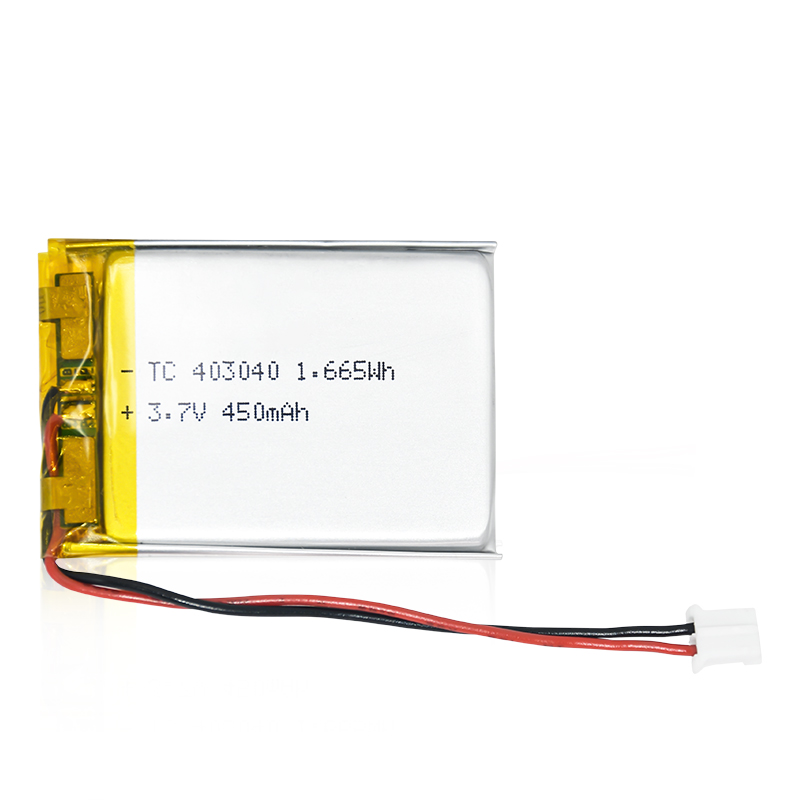
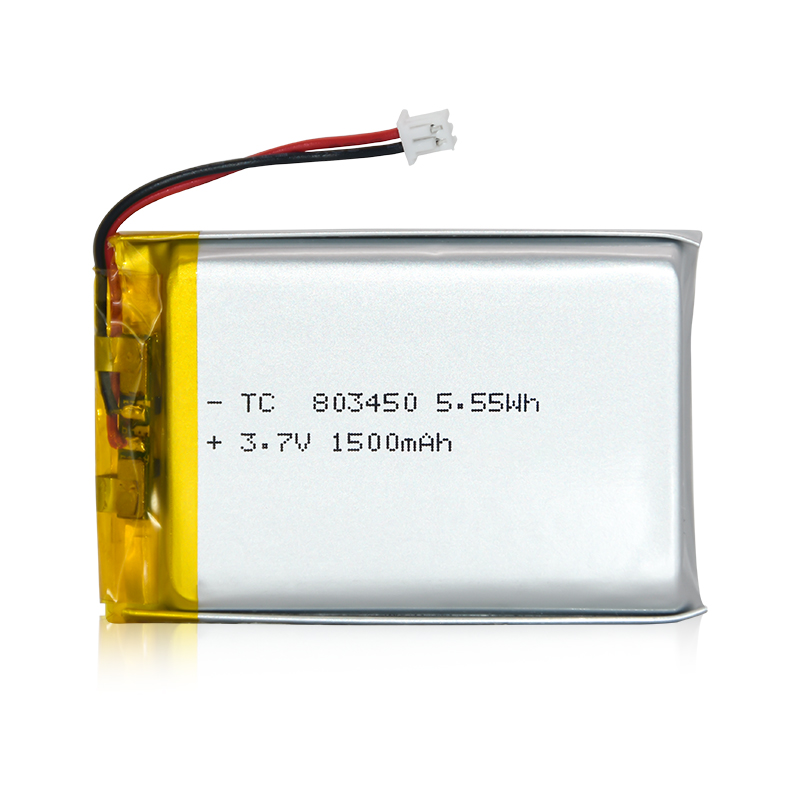
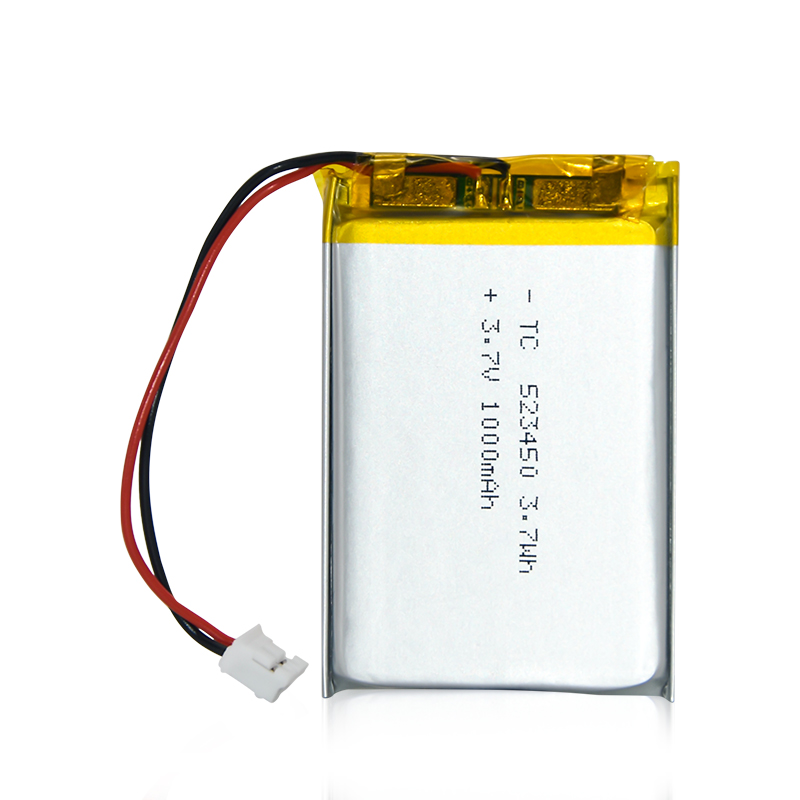
3 Cell Lithium Polymer Battery

All Categories

3 cell lithium polymer battery

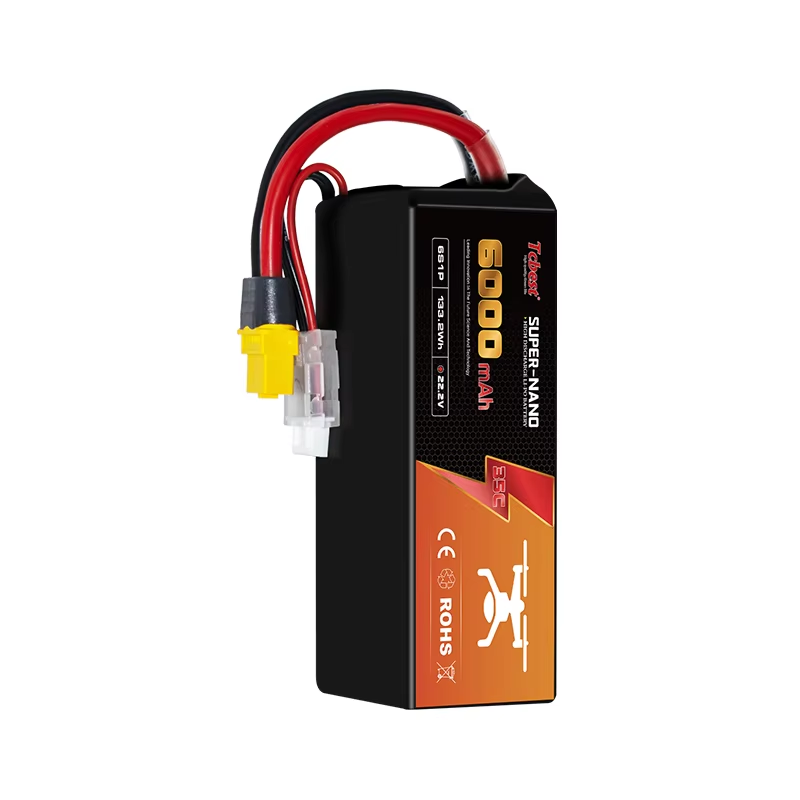
A 3 cell lithium polymer battery represents a sophisticated power solution designed to meet demanding energy requirements across multiple applications. This advanced battery configuration combines three individual lithium polymer cells in series, delivering enhanced voltage output and extended runtime capabilities. The 3 cell lithium polymer battery operates by utilizing lithium-ion chemistry within a flexible polymer electrolyte structure, enabling safer and more reliable performance compared to traditional battery technologies. The primary function of a 3 cell lithium polymer battery is to provide consistent, high-quality power delivery for portable electronic devices, remote control systems, and industrial equipment. The technological features of a 3 cell lithium polymer battery include lightweight construction, improved energy density, and superior cycle life stability. This configuration allows manufacturers to create more compact devices without compromising performance. A 3 cell lithium polymer battery typically maintains a nominal voltage of approximately 11.1 volts, making it ideal for applications requiring moderate to high power output. The battery's internal management system prevents overcharging, over-discharging, and thermal runaway conditions, ensuring user safety and product longevity. Applications for a 3 cell lithium polymer battery span across consumer electronics, including drones, RC vehicles, portable power banks, and emergency backup systems. Industrial applications also benefit significantly from this battery technology, particularly in robotics, security systems, and telecommunications equipment. The adaptability and reliability of a 3 cell lithium polymer battery make it an essential component in modern technology ecosystems.

New Product Releases

The 3 cell lithium polymer battery offers substantial practical benefits that make it an excellent choice for consumers and businesses alike. First, this battery technology delivers exceptional energy density, meaning you get more power in a lighter package compared to older battery types. For portable devices like drones and handheld tools, reduced weight translates directly into improved performance, longer flight times, and easier handling throughout your workday. Second, the 3 cell lithium polymer battery provides remarkable operational reliability with minimal maintenance requirements. Unlike traditional batteries that demand regular upkeep, your 3 cell lithium polymer battery operates efficiently with built-in safety mechanisms that protect against common electrical hazards. This means fewer unexpected failures and greater peace of mind during critical operations. Third, cost-effectiveness becomes apparent over the battery's extended lifespan. A 3 cell lithium polymer battery maintains its charge capacity for hundreds of cycles, reducing replacement frequency and long-term expenses. You'll notice sustained performance consistency across applications, whether powering emergency communications systems or recreational equipment. Fourth, the 3 cell lithium polymer battery's versatility serves diverse applications across consumer and professional sectors. Its 11.1-volt output accommodates various device specifications, making it suitable for multiple use cases without requiring different battery types. Finally, environmental benefits matter increasingly to modern consumers. A 3 cell lithium polymer battery's extended lifespan reduces electronic waste, supporting sustainability goals while delivering reliable power performance that meets contemporary technological demands and regulatory standards.

Tips And Tricks

How Does a Cylindrical Lithium Battery Support Thermal Stability?

14

May

How Does a Cylindrical Lithium Battery Support Thermal Stability?

Thermal stability is one of the most critical performance benchmarks in modern energy storage, and the cylindrical lithium battery has consistently proven itself as a reliable solution for demanding thermal environments. Whether deployed in industria...
View More
How to Dispose of Drone Batteries

20

Jul

How to Dispose of Drone Batteries

How to Dispose of Drone Batteries 1. Introduction Drone batteries are the energy backbone of modern unmanned aerial vehicles (UAVs). As consumer and industrial drone usage expands, the number of spent, damaged, or degraded batteries increases corresp...
View More
How Long Does a Battery Last on a Drone?

29

Jul

How Long Does a Battery Last on a Drone?

The honest answer: it depends. This isn't a cop-out. Two identical batteries, flown by two different pilots on two different builds, in two different weather conditions – the flight time can vary by more than double. "1300mAh" tells you how muc...
View More
Why do drones use lipo batteries?

27

Jul

Why do drones use lipo batteries?

I. Definition and Working Principle of LiPo Batteries LiPo batteries belong to the lithium-ion battery family, distinguished by their use of a polymer electrolyte (typically a gel-like polymer) in place of the conventional liquid electrolyte. This gi...
View More

Get a Free Quote

Our representative will contact you soon.
Email
Name
WhatsApp
Company Name
Message
0/1000

3 cell lithium polymer battery

Superior Energy Density and Lightweight Design

Superior Energy Density and Lightweight Design

The 3 cell lithium polymer battery revolutionizes portable power through exceptional energy density characteristics that competitors cannot match. This battery technology packs substantially more usable power into significantly less physical space and weight, directly addressing the modern demand for lightweight, high-performance devices. When you choose a 3 cell lithium polymer battery, you're investing in a solution that enables manufacturers to create slimmer, more portable electronics without sacrificing runtime capability. For professionals using drones, photographers managing equipment, or anyone carrying portable devices throughout their day, this weight reduction profoundly impacts usability and fatigue levels. The 3 cell lithium polymer battery's advanced chemistry allows approximately 150-250 watt-hours per kilogram energy density, substantially outperforming earlier battery generations. This superior performance characteristic makes the 3 cell lithium polymer battery the preferred choice for aerospace applications, portable medical devices, and emergency response equipment where weight considerations critically influence operational effectiveness. Industries recognizing this advantage consistently specify 3 cell lithium polymer battery technology in their product designs.
Enhanced Safety Features and Built-in Protection Systems

Enhanced Safety Features and Built-in Protection Systems

Modern 3 cell lithium polymer battery units incorporate sophisticated internal management systems that automatically prevent hazardous operating conditions. The integrated protection circuitry monitors voltage levels continuously, preventing dangerous overcharging situations that historically caused battery failures and safety concerns. Your 3 cell lithium polymer battery automatically disconnects power when voltage exceeds safe thresholds, protecting connected devices from electrical damage and potential fire hazards. Temperature management represents another critical safety advantage of the 3 cell lithium polymer battery design. Advanced thermal sensors detect excessive heat generation and automatically reduce charging current or cease charging operations entirely when temperatures approach unsafe levels. This intelligent temperature regulation distinguishes premium 3 cell lithium polymer battery products from basic alternatives. Additionally, the 3 cell lithium polymer battery's polymer electrolyte structure inherently resists leakage better than traditional lithium-ion designs. Users benefit from reduced spill risks, environmental contamination prevention, and extended storage stability. Professional industries including healthcare, aviation, and military operations specifically demand these safety certifications that quality 3 cell lithium polymer battery manufacturers consistently provide.
Extended Cycle Life and Exceptional Long-Term Value

Extended Cycle Life and Exceptional Long-Term Value

Investing in a 3 cell lithium polymer battery proves economically prudent because this technology maintains usable capacity across extensive charge-discharge cycles. Quality 3 cell lithium polymer battery units typically deliver 500-1000 complete charge cycles while retaining 80 percent of original capacity, substantially extending operational life compared to conventional battery alternatives. This extended cycle life directly translates into lower replacement frequency and reduced total cost of ownership for both individuals and organizations. The 3 cell lithium polymer battery's stable electrochemistry resists capacity degradation patterns that plague inferior battery designs, meaning performance remains consistently reliable throughout the product's operational lifetime. Businesses deploying hundreds of devices appreciate this predictability because replacement planning becomes straightforward and budgeting becomes more accurate. Your 3 cell lithium polymer battery also demonstrates remarkable shelf-life stability, retaining charge for months when stored properly without experiencing the dramatic capacity loss associated with other battery chemistries. This characteristic proves invaluable for emergency backup systems and seasonal equipment. The proven reliability of 3 cell lithium polymer battery technology has earned manufacturer trust across industries where dependability directly impacts revenue and reputation.

Get a Free Quote

Our representative will contact you soon.
Email
Name
WhatsApp
Company Name
Message
0/1000