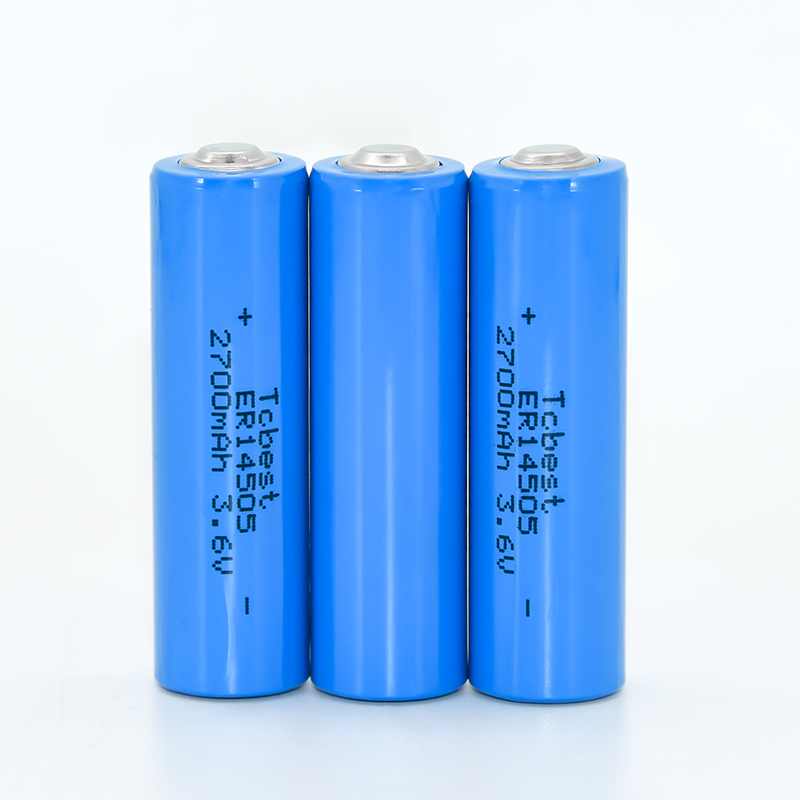
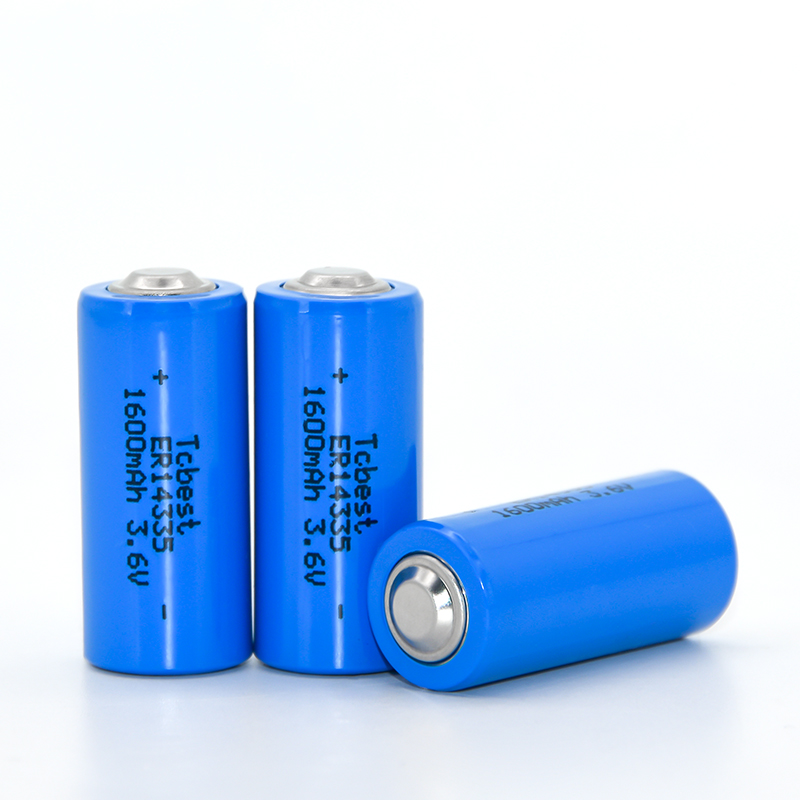
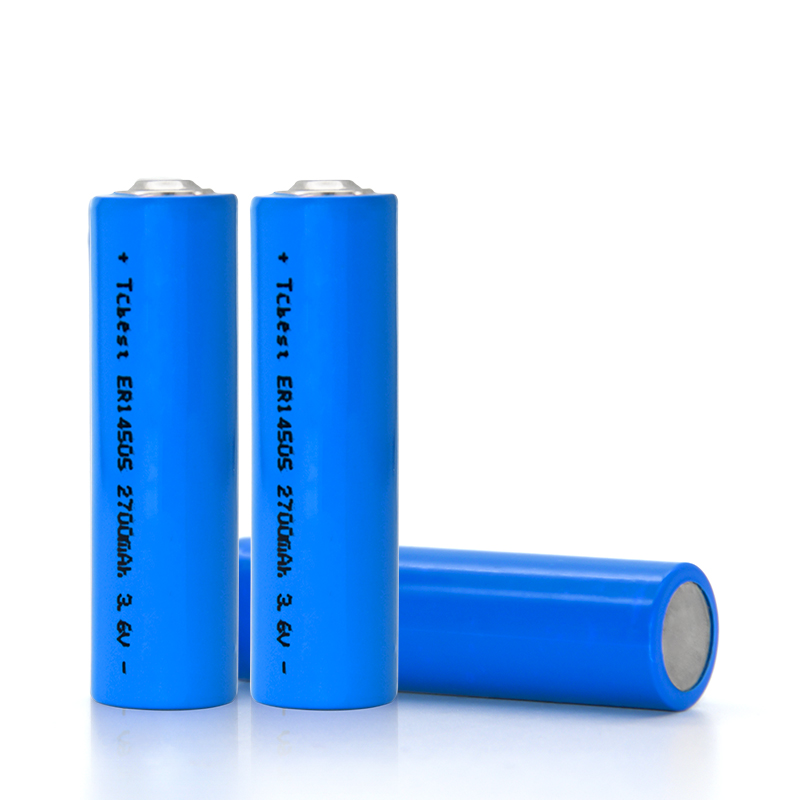
3.6V Lithium Thionyl Chloride Battery

All Categories

3.6 v lithium thionyl chloride

The 3.6 v lithium thionyl chloride is a primary lithium battery technology engineered for demanding applications requiring reliable, long-lasting power solutions. This advanced battery chemistry combines a lithium metal anode with a thionyl chloride cathode, delivering exceptional performance characteristics that distinguish it from conventional battery options. The 3.6 v lithium thionyl chloride operates at nominal voltage of 3.6 volts, providing stable power output throughout its operational lifespan. Key technological features of the 3.6 v lithium thionyl chloride include its extremely high energy density, which enables compact designs without compromising performance. The battery architecture incorporates specialized internal components that facilitate efficient electron transfer while maintaining structural integrity. Temperature stability represents another crucial advantage, allowing the 3.6 v lithium thionyl chloride to function reliably across wide environmental ranges from -55°C to +85°C. Main functions of the 3.6 v lithium thionyl chloride encompass powering remote monitoring systems, backup power applications, and specialized industrial equipment. The chemistry provides excellent shelf life, retaining up to 90% capacity after a decade of storage. Applications span utility meters, emergency beacons, GPS trackers, and medical devices. The 3.6 v lithium thionyl chloride delivers superior performance in applications where access for battery replacement proves difficult or impossible. Its low self-discharge rate ensures extended operational periods, making it ideal for intermittent-use devices and critical backup systems requiring dependable performance on demand.

New Products

The 3.6 v lithium thionyl chloride offers significant practical benefits that make it an excellent choice for discerning customers seeking dependable energy solutions. First, operational longevity represents a major advantage—the 3.6 v lithium thionyl chloride delivers extended service life, often functioning reliably for ten to twenty years depending on application demands. This extended lifespan reduces replacement frequency, minimizing maintenance costs and operational disruptions. The 3.6 v lithium thionyl chloride excels in harsh environmental conditions where standard batteries fail. Its robust chemistry withstands extreme temperatures, humidity, and pressure variations without performance degradation. For customers operating equipment in remote locations or challenging climates, the 3.6 v lithium thionyl chloride provides peace of mind through reliable, consistent performance. Cost-effectiveness emerges as another compelling advantage. Although initial investment may exceed conventional batteries, the 3.6 v lithium thionyl chloride's extended lifespan and minimal maintenance requirements deliver superior total cost of ownership. Applications like utility metering systems achieve dramatic savings through reduced service calls and replacements. The 3.6 v lithium thionyl chloride provides exceptional reliability for backup power applications. Its low self-discharge rate ensures emergency systems remain powered when needed most. Medical devices, security systems, and critical infrastructure benefit tremendously from this dependable performance profile. Finally, the 3.6 v lithium thionyl chloride enables compact equipment design. Its high energy density supports miniaturization without sacrificing performance, helping manufacturers create innovative products meeting evolving customer expectations. This versatility makes the 3.6 v lithium thionyl chloride the preferred choice across numerous demanding industries.

Latest News

how long do you charge a drone battery

15

Jul

how long do you charge a drone battery

How to Properly Charge Your Drone Battery? A Complete Guide to Safe Charging Introduction Drone batteries are crucial components affecting flight time, performance, and safety. Proper charging methods not only improve flight stability bu...
View More
How Long Does a Battery Last on a Drone?

29

Jul

How Long Does a Battery Last on a Drone?

The honest answer: it depends. This isn't a cop-out. Two identical batteries, flown by two different pilots on two different builds, in two different weather conditions – the flight time can vary by more than double. "1300mAh" tells you how muc...
View More
how to ship drone batteries

24

Jul

how to ship drone batteries

Introduction Drone batteries are classified as dangerous goods because they contain large amounts of stored energy. Improper packaging can cause short circuits, overheating, fire, or shipping delays. Whether you are shipping a single battery or a lar...
View More
How to carry drone batteries in flight

29

Jul

How to carry drone batteries in flight

1. Introduction: Common Challenges of Air Travel with a Drone Aerial photographers and professional drone pilots often need to travel by air with their drones. However, most people encounter confusion when flying with a drone for the first time. They...
View More

Get a Free Quote

Our representative will contact you soon.
Email
Name
WhatsApp
Company Name
Message
0/1000

3.6 v lithium thionyl chloride

Exceptional Energy Density and Extended Runtime

Exceptional Energy Density and Extended Runtime

The 3.6 v lithium thionyl chloride delivers outstanding energy density that distinguishes it from conventional battery technologies. This superior energy concentration means devices powered by the 3.6 v lithium thionyl chloride operate significantly longer on a single battery charge. For remote monitoring systems, GPS trackers, and emergency beacons, extended runtime translates directly to reduced maintenance requirements and improved operational efficiency. The high energy density of the 3.6 v lithium thionyl chloride enables manufacturers to design more compact equipment without compromising power delivery. This breakthrough capability particularly benefits portable and wireless devices where size constraints exist. Customers appreciate the reliable, extended performance the 3.6 v lithium thionyl chloride provides, knowing their critical systems remain powered for years rather than months. The combination of high energy output and compact form factor makes the 3.6 v lithium thionyl chloride an intelligent investment for applications demanding dependable, long-term power solutions.
Outstanding Temperature Range and Environmental Stability

Outstanding Temperature Range and Environmental Stability

The 3.6 v lithium thionyl chloride performs reliably across extreme temperature environments, functioning effectively from -55°C to +85°C without performance loss. This exceptional temperature stability sets the 3.6 v lithium thionyl chloride apart for applications operating in challenging climates, arctic conditions, or desert environments. Industries relying on continuous operation in hostile settings depend on the 3.6 v lithium thionyl chloride's proven reliability. The robust chemistry of the 3.6 v lithium thionyl chloride resists environmental stressors including humidity, pressure fluctuations, and thermal cycling. Equipment deployed in undersea applications, high-altitude locations, or temperature-fluctuating environments benefits immensely from the 3.6 v lithium thionyl chloride's inherent stability. This environmental resistance reduces failures, eliminates costly emergency replacements, and ensures mission-critical systems maintain uninterrupted operation regardless of external conditions.
Superior Shelf Life and Minimal Maintenance Requirements

Superior Shelf Life and Minimal Maintenance Requirements

The 3.6 v lithium thionyl chloride maintains exceptional storage characteristics, retaining approximately 90% of its original capacity after ten years of shelf storage. This outstanding shelf life makes the 3.6 v lithium thionyl chloride ideal for backup power applications, emergency systems, and equipment requiring long-term storage before deployment. Organizations can confidently maintain emergency reserves knowing the 3.6 v lithium thionyl chloride will deliver reliable performance when activated after extended dormancy. The 3.6 v lithium thionyl chloride's low self-discharge rate eliminates concerns about gradual capacity loss during extended periods between uses. This characteristic proves invaluable for medical devices, security systems, and critical infrastructure requiring immediate response capability. Maintenance specialists appreciate the minimal attention the 3.6 v lithium thionyl chloride demands, reducing labor costs and system complexity while maximizing operational reliability and cost-effectiveness.

Get a Free Quote

Our representative will contact you soon.
Email
Name
WhatsApp
Company Name
Message
0/1000