lithium thionyl chloride cell
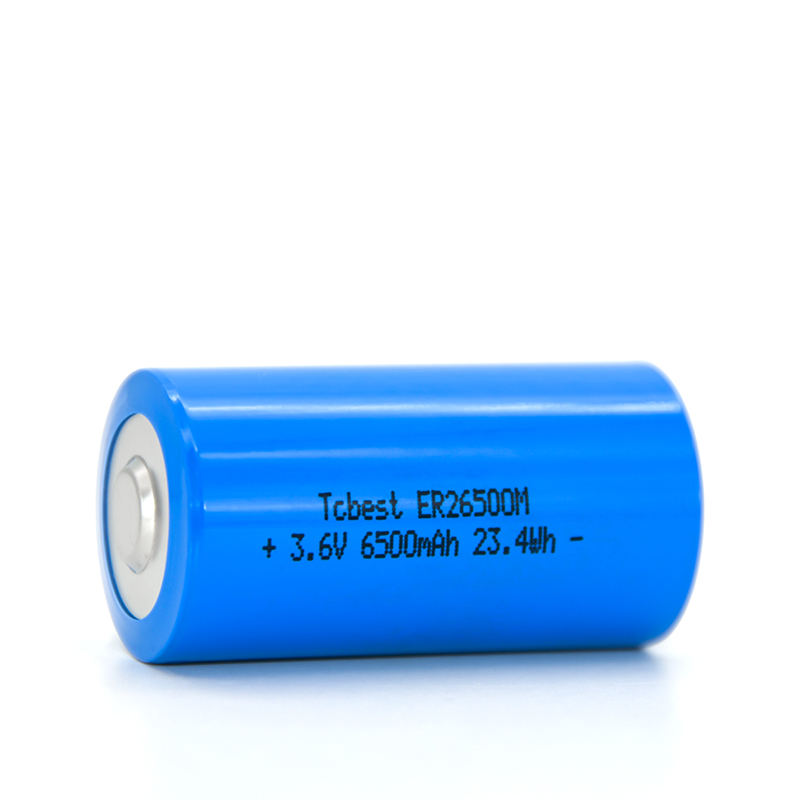
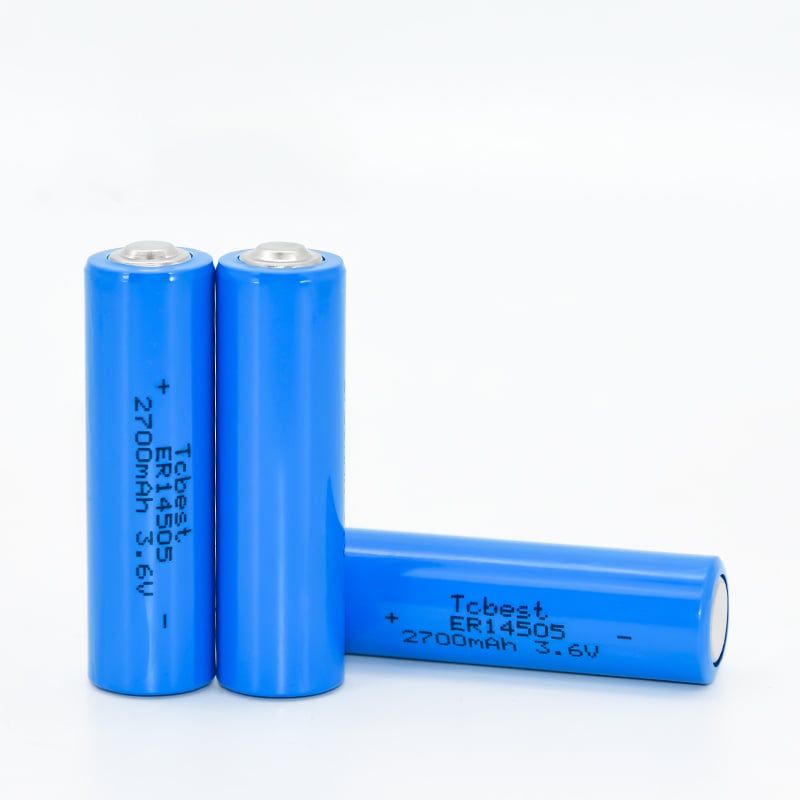
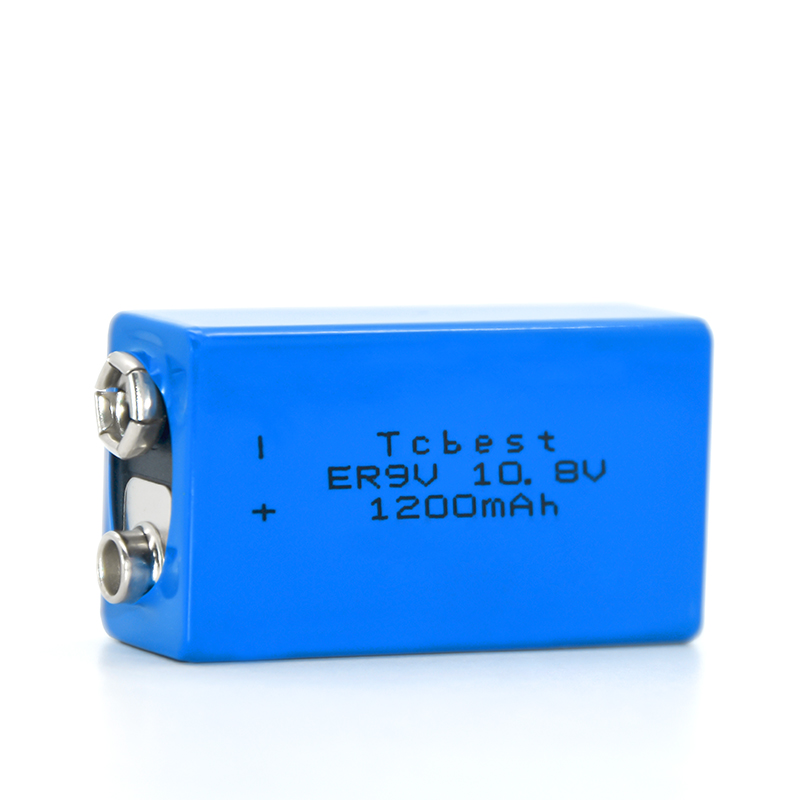
A lithium thionyl chloride cell represents a breakthrough in advanced battery technology, delivering exceptional power and longevity for demanding applications. This primary cell utilizes lithium metal as the anode and thionyl chloride as the cathode, creating a unique electrochemical system that operates across an exceptionally wide temperature range from -55°C to +85°C. The lithium thionyl chloride cell stands out in the market due to its remarkable energy density, which significantly exceeds traditional alkaline batteries, making it ideal for power-intensive devices requiring extended operational periods.
The technological features of a lithium thionyl chloride cell include a high voltage output of approximately 3.6 volts per cell, substantially higher than conventional batteries. This enhanced voltage reduces the number of cells needed in series, simplifying device design and reducing weight. The internal chemistry of the lithium thionyl chloride cell ensures minimal self-discharge rates, typically remaining below 1 percent annually, guaranteeing reliable performance even after prolonged storage periods.
Applications for the lithium thionyl chloride cell span multiple industries, including aerospace, defense, telecommunications, oil and gas exploration, and emergency backup systems. Medical devices such as pacemakers and implantable cardioverter-defibrillators depend on the lithium thionyl chloride cell's reliability and extended shelf life. Additionally, remote monitoring systems, GPS devices, and underwater equipment benefit from this battery's superior performance characteristics in extreme environments and challenging operational conditions.

 EN
EN