Li Polymer Battery Cell Power Solutions

All Categories

li polymer battery cell

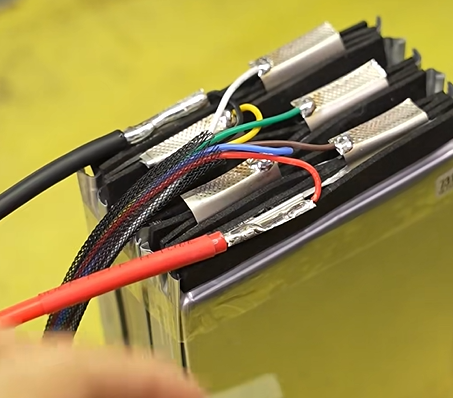
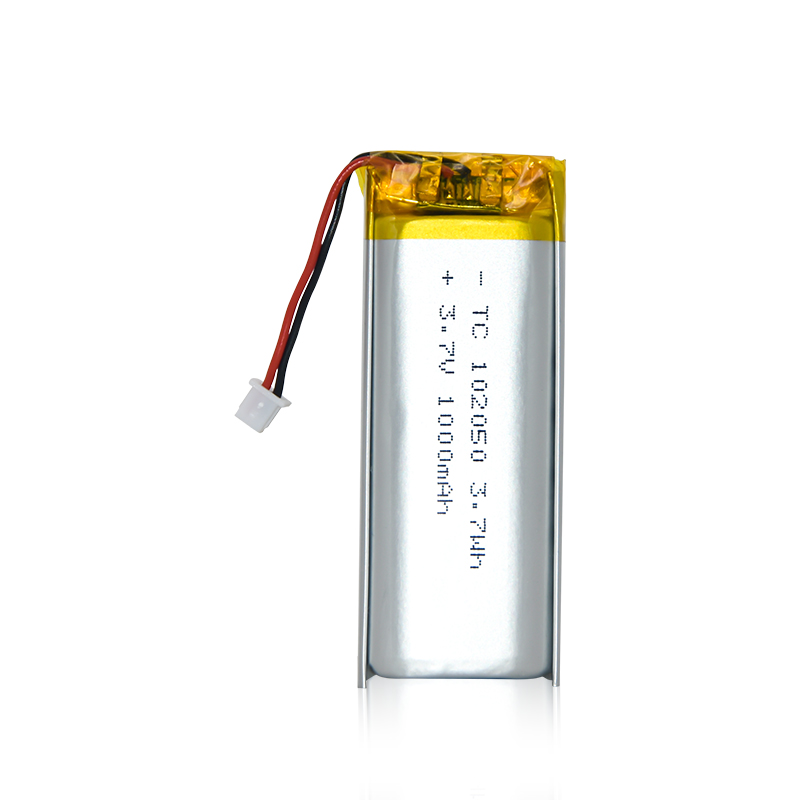
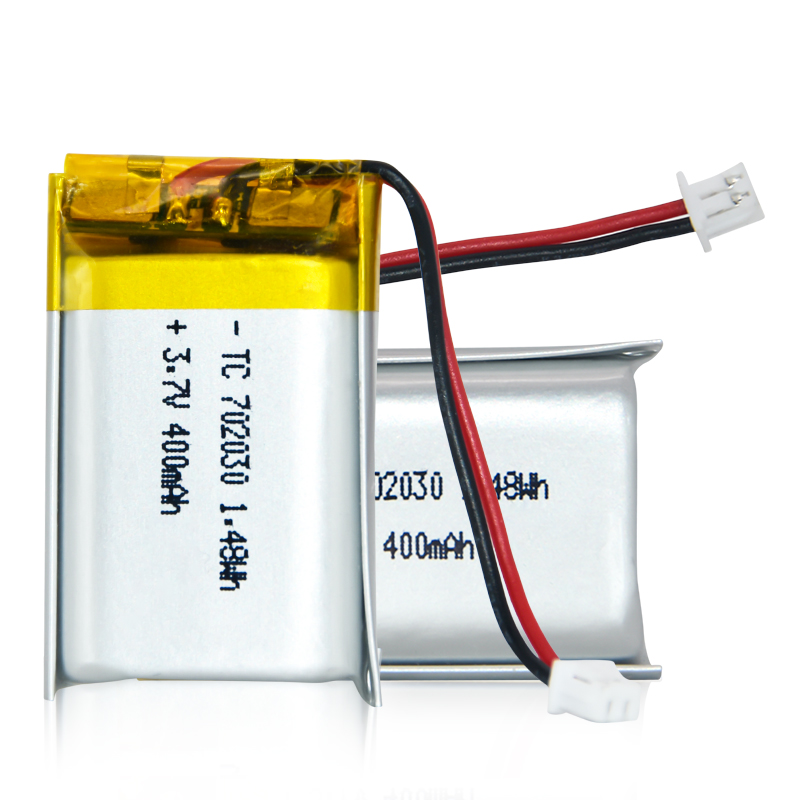
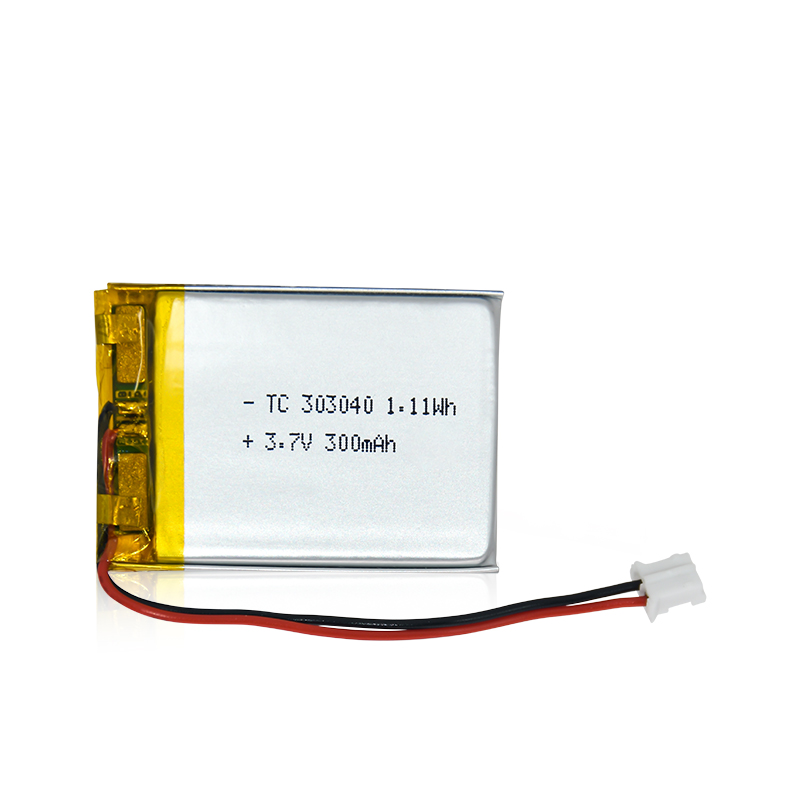
A li polymer battery cell represents a revolutionary energy storage solution that combines lightweight design with exceptional performance capabilities. The li polymer battery cell operates by utilizing lithium-ion technology within a polymer electrolyte matrix, enabling efficient charge transfer and reliable power delivery across diverse applications. This advanced energy storage device features a flexible solid-state structure that differentiates it from traditional rigid battery formats, allowing manufacturers to create custom shapes and sizes tailored to specific equipment requirements. The primary function of a li polymer battery cell involves storing and releasing electrical energy through controlled electrochemical reactions between lithium ions and internal electrodes. Key technological features include superior energy density, minimal self-discharge rates, and enhanced thermal stability. The li polymer battery cell delivers consistent voltage output while maintaining safety during charging and discharging cycles. These cells incorporate advanced separation membranes and protective circuits that prevent overcharging and short circuits. Applications for the li polymer battery cell span multiple industries, including consumer electronics, portable devices, medical equipment, and emerging renewable energy systems. Modern smartphones, tablets, and wireless peripherals rely extensively on li polymer battery cell technology to provide extended runtime without adding excessive weight. The li polymer battery cell also serves industrial applications where space constraints and performance demands require optimal energy-to-weight ratios. Its versatility makes it an ideal choice for manufacturers seeking reliable, long-lasting power solutions that meet contemporary consumer expectations for portability and dependability.

New Product Releases

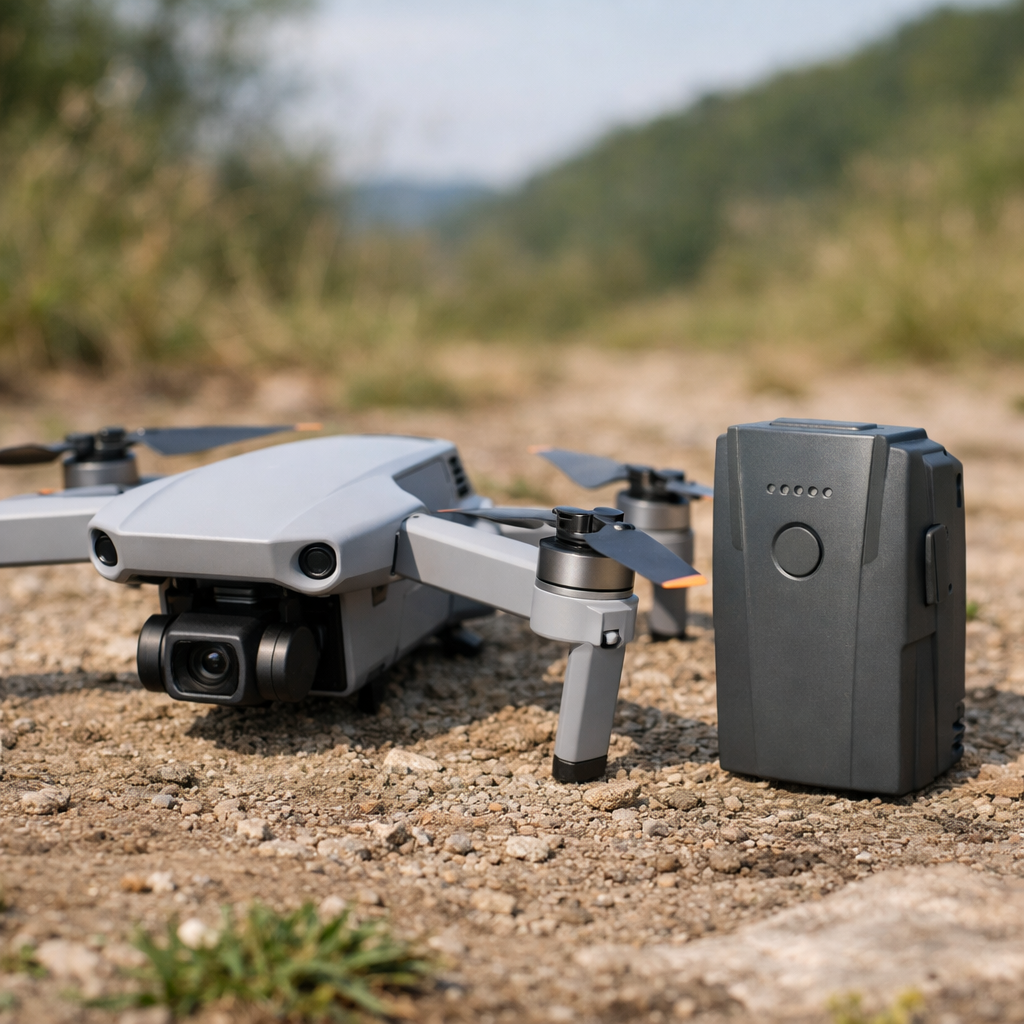
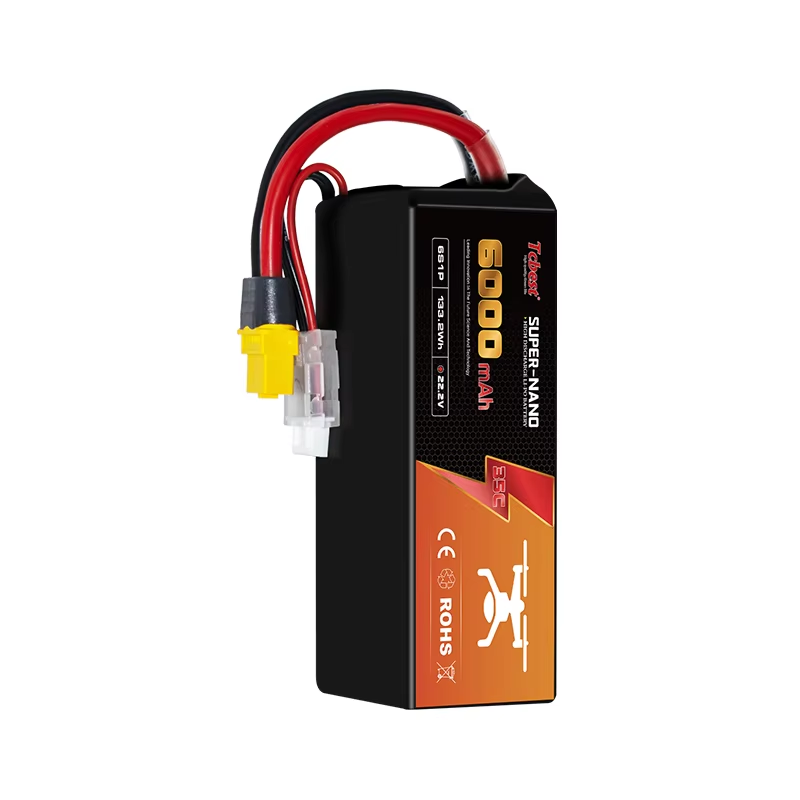
The li polymer battery cell delivers remarkable practical benefits that directly address the power requirements of modern consumers and businesses. These innovative energy storage devices eliminate bulky, heavy battery packs without compromising performance, making the li polymer battery cell the preferred choice for portable electronics manufacturers worldwide. Operational benefits include extended cycle life, typically enduring 500 to 1000 full charge cycles while maintaining 80 percent capacity. The li polymer battery cell provides consistent power output throughout the discharge process, ensuring devices operate at peak performance until the battery depletes. This reliability eliminates frustrating power fluctuations that plague inferior battery technologies. Temperature stability represents another significant advantage, as the li polymer battery cell maintains performance across wide operating ranges without requiring complex cooling systems. For potential customers, the li polymer battery cell offers tangible value through reduced replacement costs and minimal maintenance requirements. These batteries charge rapidly compared to legacy alternatives, allowing users to restore full capacity in mere hours rather than days. The li polymer battery cell also demonstrates exceptional safety characteristics, incorporating built-in protection against thermal runaway and internal short circuits. Application suitability makes the li polymer battery cell ideal for smartphones, drones, cameras, fitness trackers, and professional audio equipment. Its flexible form factor enables innovative product designs previously impossible with rigid battery cells. The li polymer battery cell adapts perfectly to ultra-slim devices while delivering the power density necessary for demanding applications. Decision-useful product context shows that manufacturers choosing the li polymer battery cell gain competitive advantages through extended device runtimes, enhanced portability, and superior reliability that customers increasingly demand in their purchasing decisions.

Latest News

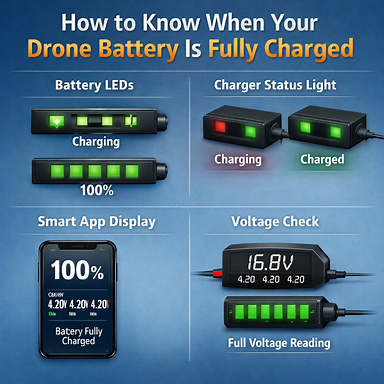
How to Know When Drone Battery Is Charged?

17

Jun

How to Know When Drone Battery Is Charged?

1. Introduction Knowing precisely when a drone battery has completed its charging cycle is fundamental to safe flight operations, battery longevity, and mission reliability. Although modern UAV power systems incorporate advanced protection circuits, ...
View More
How to Find a Drone with Dead Battery

14

Jul

How to Find a Drone with Dead Battery

1. Introduction The rapid expansion of civilian and commercial drone operations has introduced new challenges in flight safety, asset protection, and post-incident recovery. Among these challenges, locating a drone that has lost power mid-flight r...
View More
What type of batteries do drones use?

23

Jul

What type of batteries do drones use?

Introduction Drone batteries are the heart of every unmanned aerial vehicle (UAV). They supply the energy needed for flight and directly affect flight time, payload capacity, overall performance, and operational safety. Whether you use a drone for ae...
View More
Why do drones use lipo batteries?

27

Jul

Why do drones use lipo batteries?

I. Definition and Working Principle of LiPo Batteries LiPo batteries belong to the lithium-ion battery family, distinguished by their use of a polymer electrolyte (typically a gel-like polymer) in place of the conventional liquid electrolyte. This gi...
View More

Get a Free Quote

Our representative will contact you soon.
Email
Name
WhatsApp
Company Name
Message
0/1000

li polymer battery cell

Superior Energy Density and Lightweight Performance

Superior Energy Density and Lightweight Performance

The li polymer battery cell achieves exceptional energy density that maximizes power output while minimizing weight and volume. This technological advantage enables engineers to design significantly slimmer and lighter devices without sacrificing battery life or performance reliability. The li polymer battery cell's high energy-to-weight ratio makes it indispensable for portable electronics where users expect extended runtime in compact, comfortable form factors. Manufacturers utilizing the li polymer battery cell technology can create products that significantly outperform competitors relying on conventional battery solutions. The lightweight nature of the li polymer battery cell allows product designers unprecedented flexibility in device architecture, enabling innovative features and improved user ergonomics. This energy density advantage translates directly to customer satisfaction, as consumers enjoy devices offering full-day operation without noticeable weight burden. The li polymer battery cell continues setting industry standards for portable power solutions, delivering measurable performance improvements that justify premium pricing in competitive markets.
Extended Cycle Life and Reliability

Extended Cycle Life and Reliability

The li polymer battery cell provides remarkable longevity, enduring 500 to 1000 complete charge cycles while retaining 80 percent of original capacity. This extended cycle life dramatically reduces replacement frequency and associated costs, delivering excellent long-term value for consumers and businesses. The li polymer battery cell's reliability means devices maintain consistent performance throughout multi-year ownership periods, building customer loyalty and positive brand reputation. Users experience minimal performance degradation even after extended use, ensuring their devices remain responsive and capable throughout the product's intended lifespan. The li polymer battery cell incorporates advanced electrode materials and protective mechanisms that minimize capacity fade from repeated charging. This durability advantage makes the li polymer battery cell the preferred choice for professional applications where device reliability directly impacts business operations and productivity. Manufacturers benefit from reduced warranty claims and customer support burden when incorporating the li polymer battery cell, improving profitability while enhancing overall customer satisfaction and brand trust in competitive marketplaces.
Flexible Design and Customization Capabilities

Flexible Design and Customization Capabilities

The li polymer battery cell's polymer electrolyte construction enables unprecedented design flexibility, allowing manufacturers to create custom shapes, sizes, and configurations matching specific device requirements. Unlike rigid cylindrical or prismatic alternatives, the li polymer battery cell adapts to ultra-thin profiles, unusual geometries, and space-constrained applications. This adaptability revolutionizes product development, enabling engineers to optimize internal space allocation and achieve sleeker, more sophisticated device designs. Product manufacturers gain competitive advantages by incorporating the li polymer battery cell into innovative form factors previously impossible with traditional battery technology. The li polymer battery cell's flexibility supports emerging product categories including foldable devices, flexible displays, and uniquely shaped consumer electronics. Custom applications benefit tremendously from the li polymer battery cell's ability to conform to specific compartments without wasting valuable internal space. This customization capability ensures the li polymer battery cell remains the technology of choice for manufacturers seeking differentiation through innovative design and superior user experience.

Get a Free Quote

Our representative will contact you soon.
Email
Name
WhatsApp
Company Name
Message
0/1000