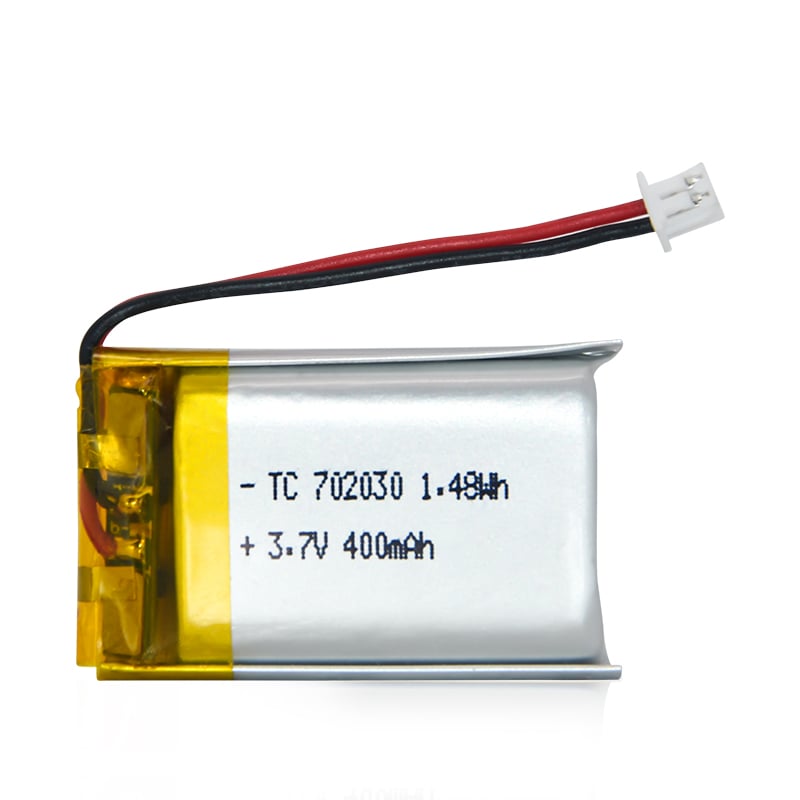
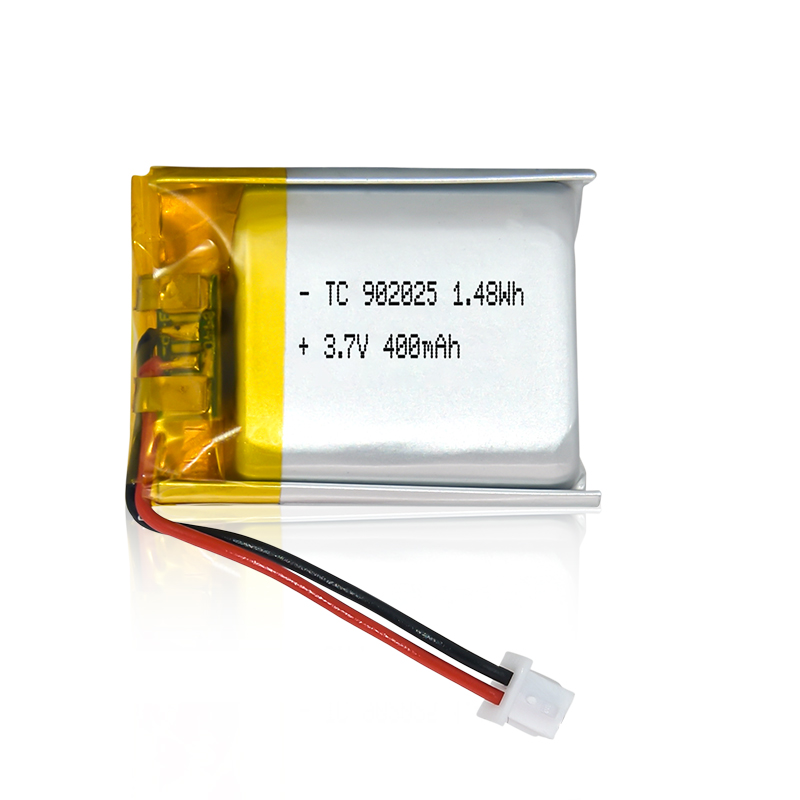
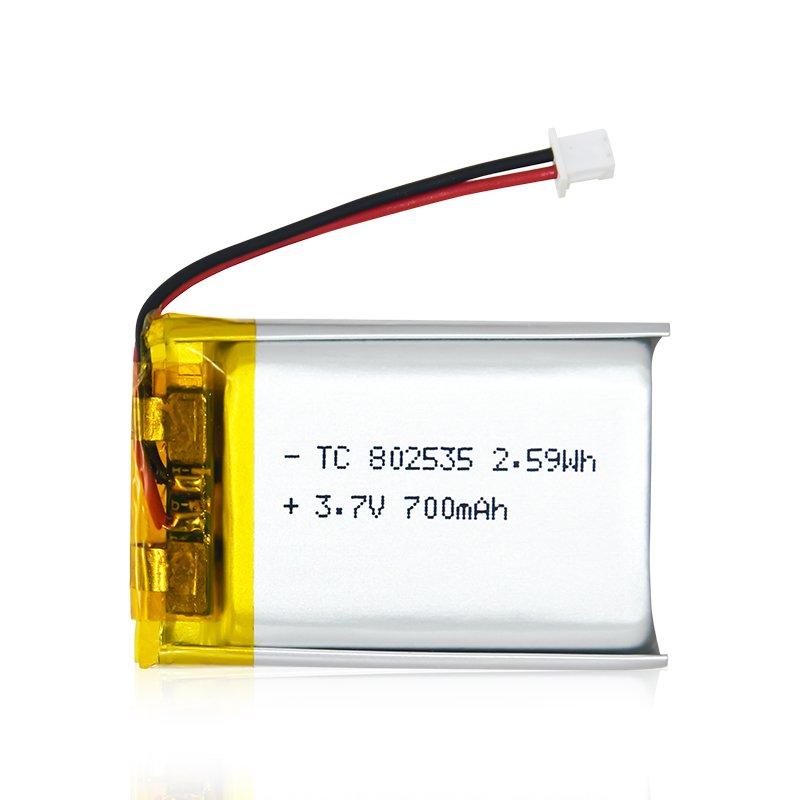
Lithium Polymer Battery Cells

All Categories

lithium polymer battery cells

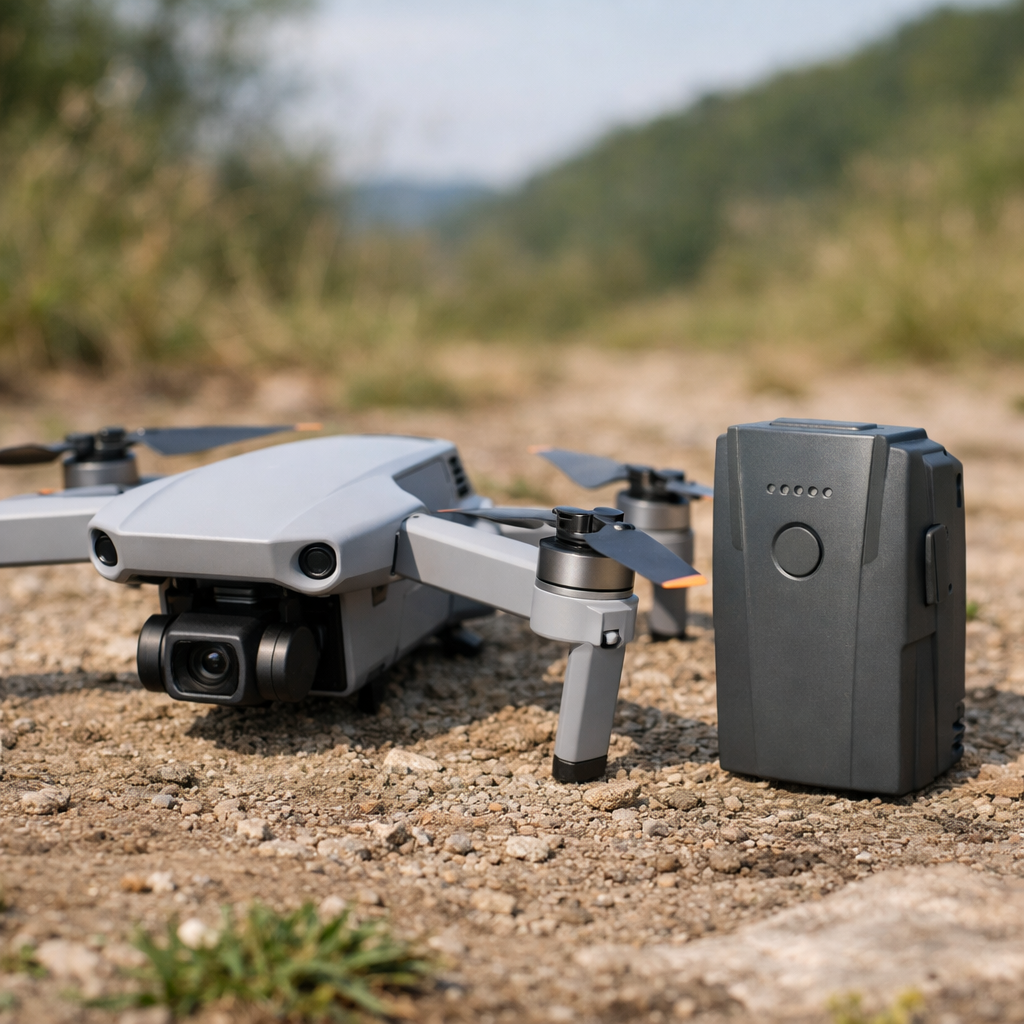
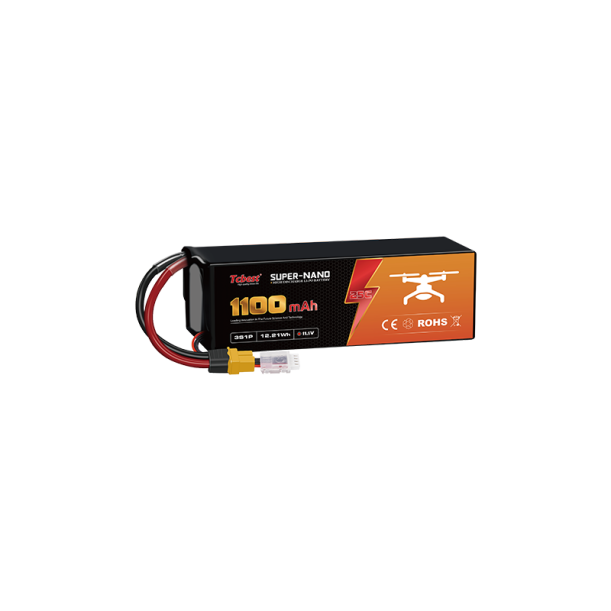
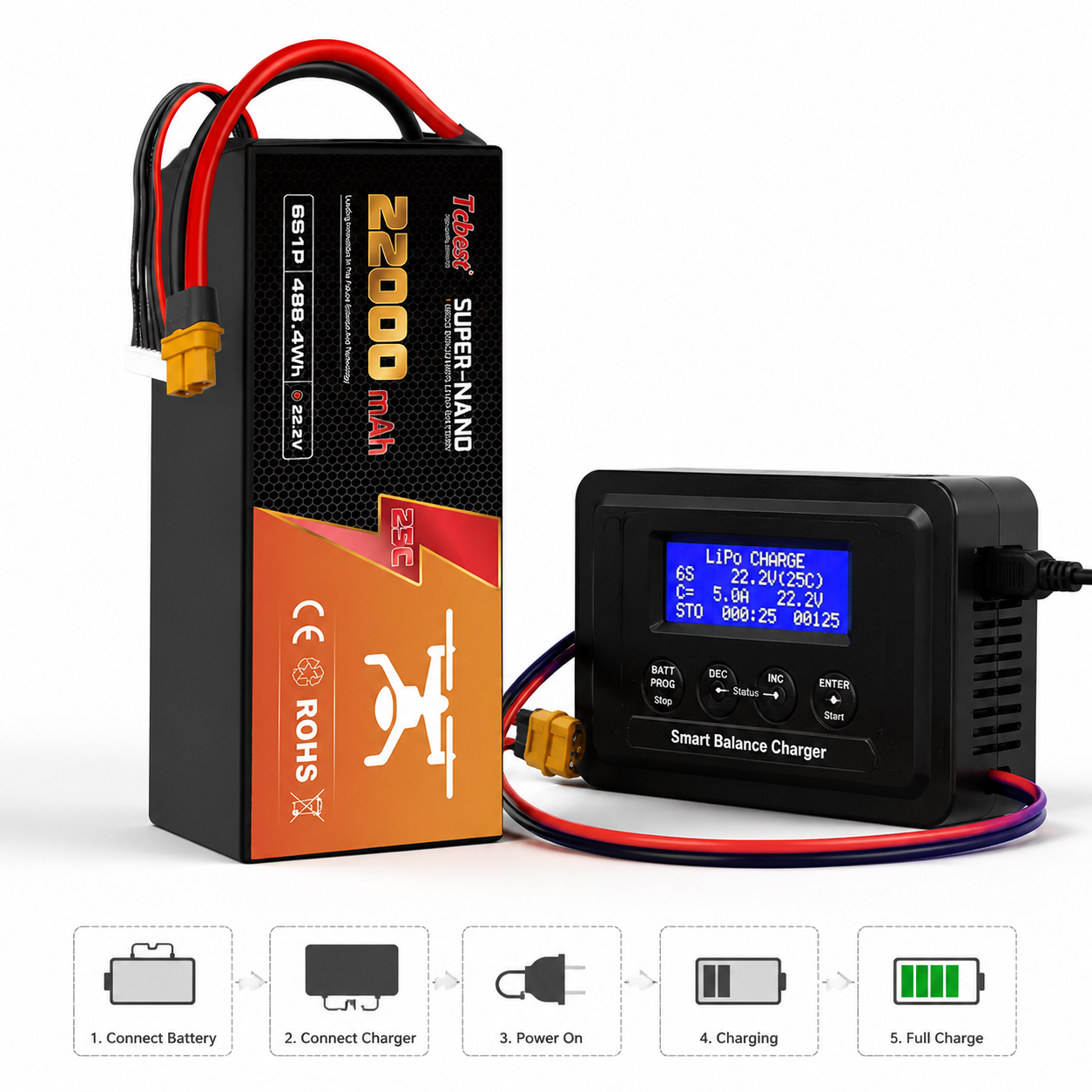
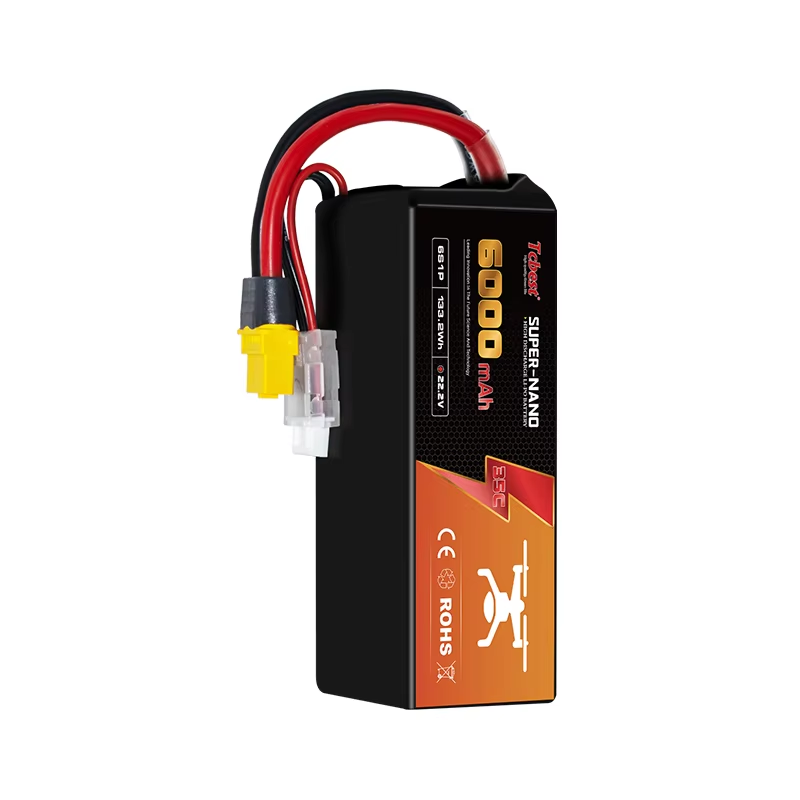
Lithium polymer battery cells represent a revolutionary advancement in portable energy storage technology, delivering superior performance for modern electronic devices. These innovative lithium polymer battery cells combine lightweight construction with impressive energy density, making them ideal for applications ranging from consumer electronics to aerospace systems. The core function of lithium polymer battery cells involves storing and releasing electrical energy through chemical reactions between lithium compounds and organic electrolytes, enabling sustained power delivery. The technological features of lithium polymer battery cells distinguish them from traditional battery options. These cells utilize a gel-like polymer electrolyte instead of liquid electrolyte, allowing for flexible form factors and enhanced safety characteristics. Lithium polymer battery cells demonstrate exceptional cycle life, maintaining performance across hundreds of charge-discharge cycles without significant degradation. The internal structure of lithium polymer battery cells incorporates advanced separator materials that prevent internal short circuits while facilitating efficient ion transport. Applications for lithium polymer battery cells span numerous industries and consumer markets. Smartphones, tablets, and laptops rely on lithium polymer battery cells for extended runtime and compact design. Drones, electric vehicles, and renewable energy storage systems benefit from the high power output and reliability of lithium polymer battery cells. Medical devices, wearable technology, and portable power banks increasingly incorporate lithium polymer battery cells due to their versatility and performance characteristics. The widespread adoption of lithium polymer battery cells continues to grow as manufacturers recognize their exceptional value proposition across diverse applications.

New Products

Lithium polymer battery cells offer practical benefits that make them the preferred choice for demanding applications. These battery cells deliver exceptional energy density, providing more power in a compact form compared to conventional battery technologies. Users experience extended device runtime, reducing the need for frequent charging and enhancing overall user experience significantly. Operational benefits of lithium polymer battery cells include superior cycle life and reliable performance under various environmental conditions. These cells maintain consistent voltage output throughout discharge cycles, ensuring stable device operation. The low self-discharge rate of lithium polymer battery cells means your devices retain charge for extended periods when not in use, providing genuine convenience and cost savings. Safety represents a crucial operational advantage of lithium polymer battery cells. The solid polymer electrolyte prevents leakage and reduces flammability risks associated with liquid electrolyte batteries. Manufacturers can design lithium polymer battery cells with integrated protection circuits, offering users peace of mind and confidence in their devices. Application suitability makes lithium polymer battery cells ideal for diverse market segments. Smartphone manufacturers choose lithium polymer battery cells for their ability to conform to ultrathin designs while maintaining impressive capacity. Drone enthusiasts rely on lithium polymer battery cells for high-discharge-rate capability during intense flying operations. Electric vehicle manufacturers appreciate how lithium polymer battery cells support rapid acceleration and extended range. The decision context for choosing lithium polymer battery cells involves evaluating superior performance characteristics against other battery types. These cells offer environmental advantages through reduced toxic materials and improved recyclability. Investing in lithium polymer battery cells means selecting technology backed by decades of research and continuous innovation, ensuring your devices operate efficiently throughout their lifespan.

Tips And Tricks

How to Find a Drone with Dead Battery

14

Jul

How to Find a Drone with Dead Battery

1. Introduction The rapid expansion of civilian and commercial drone operations has introduced new challenges in flight safety, asset protection, and post-incident recovery. Among these challenges, locating a drone that has lost power mid-flight r...
View More
How do I know when my drone battery is charged

15

Jul

How do I know when my drone battery is charged

Introduction Knowing whether your drone battery is properly charging—or fully charged—is more important than it might initially seem. A misread indicator can lead to interrupted flights, reduced battery lifespan, or even safety risks. ...
View More
how long do you charge a drone battery

15

Jul

how long do you charge a drone battery

How to Properly Charge Your Drone Battery? A Complete Guide to Safe Charging Introduction Drone batteries are crucial components affecting flight time, performance, and safety. Proper charging methods not only improve flight stability bu...
View More
Why do drones use lipo batteries?

27

Jul

Why do drones use lipo batteries?

I. Definition and Working Principle of LiPo Batteries LiPo batteries belong to the lithium-ion battery family, distinguished by their use of a polymer electrolyte (typically a gel-like polymer) in place of the conventional liquid electrolyte. This gi...
View More

Get a Free Quote

Our representative will contact you soon.
Email
Name
WhatsApp
Company Name
Message
0/1000

lithium polymer battery cells

Exceptional Energy Density and Compact Design

Exceptional Energy Density and Compact Design

Lithium polymer battery cells revolutionize portable device design through their outstanding energy density capabilities. These cells pack significantly more energy into smaller volumes compared to traditional alkaline or nickel-metal hydride batteries. The compact form factor of lithium polymer battery cells enables manufacturers to create thinner, lighter devices without compromising battery capacity or runtime. Smartphones featuring lithium polymer battery cells weigh considerably less than earlier-generation devices while delivering superior performance. This technological achievement stems from the efficient lithium-ion chemistry and optimized electrode materials used in modern lithium polymer battery cells. Users benefit directly from enhanced portability and ergonomic design improvements. The energy density of lithium polymer battery cells continues to improve through ongoing research and development efforts. Industries ranging from consumer electronics to aerospace applications leverage this advantage to create innovative products that were previously impossible. The practical impact translates to everyday convenience for millions of users worldwide who depend on lithium polymer battery cells powering their essential devices.
Superior Cycle Life and Long-Term Reliability

Superior Cycle Life and Long-Term Reliability

Lithium polymer battery cells demonstrate remarkable longevity, maintaining performance across hundreds of complete charge-discharge cycles. This extended cycle life significantly reduces replacement frequency and overall device ownership costs. Users can confidently rely on lithium polymer battery cells to power their devices for years without experiencing dramatic capacity loss. The advanced chemistry and construction methods used in manufacturing lithium polymer battery cells minimize degradation mechanisms that plague inferior battery technologies. Each cycle with lithium polymer battery cells involves minimal structural changes, preserving the battery's ability to store and deliver energy effectively. This reliability aspect makes lithium polymer battery cells particularly valuable for professional applications where consistent performance proves critical. Medical devices, aviation equipment, and emergency power systems depend on the predictable longevity of lithium polymer battery cells. The investment in quality lithium polymer battery cells pays dividends through extended device service life and reduced environmental waste from battery replacements. Manufacturers who incorporate lithium polymer battery cells into their products gain competitive advantages through increased customer satisfaction and reduced warranty-related expenses.
Advanced Safety Features and Environmental Responsibility

Advanced Safety Features and Environmental Responsibility

Modern lithium polymer battery cells incorporate multiple safety mechanisms that protect users and devices from potential hazards. The solid polymer electrolyte used in lithium polymer battery cells eliminates the flammability risks associated with liquid electrolytes, providing inherent safety advantages. Thermal management systems within lithium polymer battery cells prevent dangerous temperature increases during charging and discharging cycles. Integration of microcontroller-managed protection circuits in lithium polymer battery cells monitors voltage and current levels, automatically interrupting dangerous conditions. Environmental responsibility makes lithium polymer battery cells the intelligent choice for conscious consumers and businesses. These cells contain fewer toxic materials compared to older battery chemistries, reducing environmental contamination risks. Recycling processes for lithium polymer battery cells recover valuable materials including lithium, cobalt, and other useful elements. The reduced environmental footprint of lithium polymer battery cells throughout their lifecycle reflects modern manufacturing standards and sustainability commitments. Choosing lithium polymer battery cells demonstrates commitment to both personal safety and planetary health.

Get a Free Quote

Our representative will contact you soon.
Email
Name
WhatsApp
Company Name
Message
0/1000